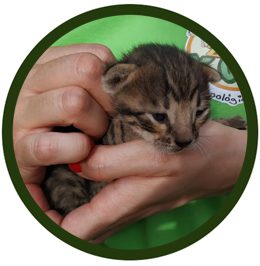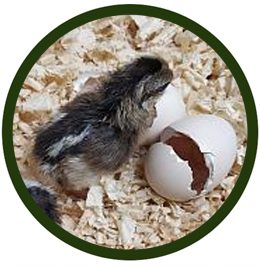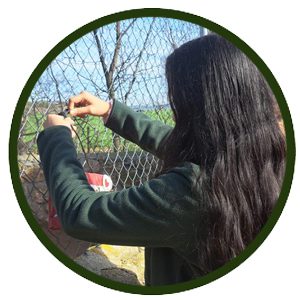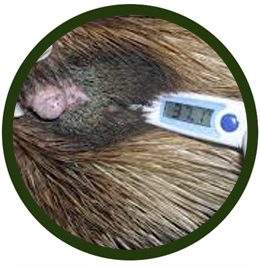
Education, ex situ and in situ conservation, social outreach and research: this is how we work every day for fauna and flora.
Education, ex situ and in situ conservation, social outreach and research: this is how we work every day for fauna and flora.
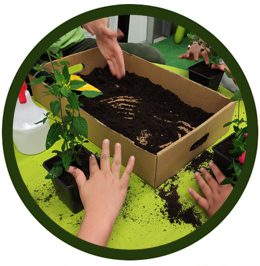
We have a wide variety of educational projects and activities for people of all ages, from practical workshops and talks to guided tours and school programmes.
Our educational projects are designed to foster knowledge and awareness of nature and biodiversity, and to promote an attitude of respect and responsibility towards living things and their environment. They are also adapted to different ages and levels of knowledge so that everyone can learn and enjoy nature in an accessible and meaningful way: Education, Courses and talks, Volunteering programme, Internships, Camps and Zookeeper for a Day.
We are committed to protecting biodiversity and the environment, and we carry out a wide variety of ex situ conservation projects at both local and international level.
Ex situ conservation is a conservation strategy carried out outside the natural habitat of species, and includes activities such as captive breeding, seed storage and the recovery of endangered species. Our ex situ conservation projects work in collaboration with local organisations and communities to promote conservation in the field and help protect endangered species.
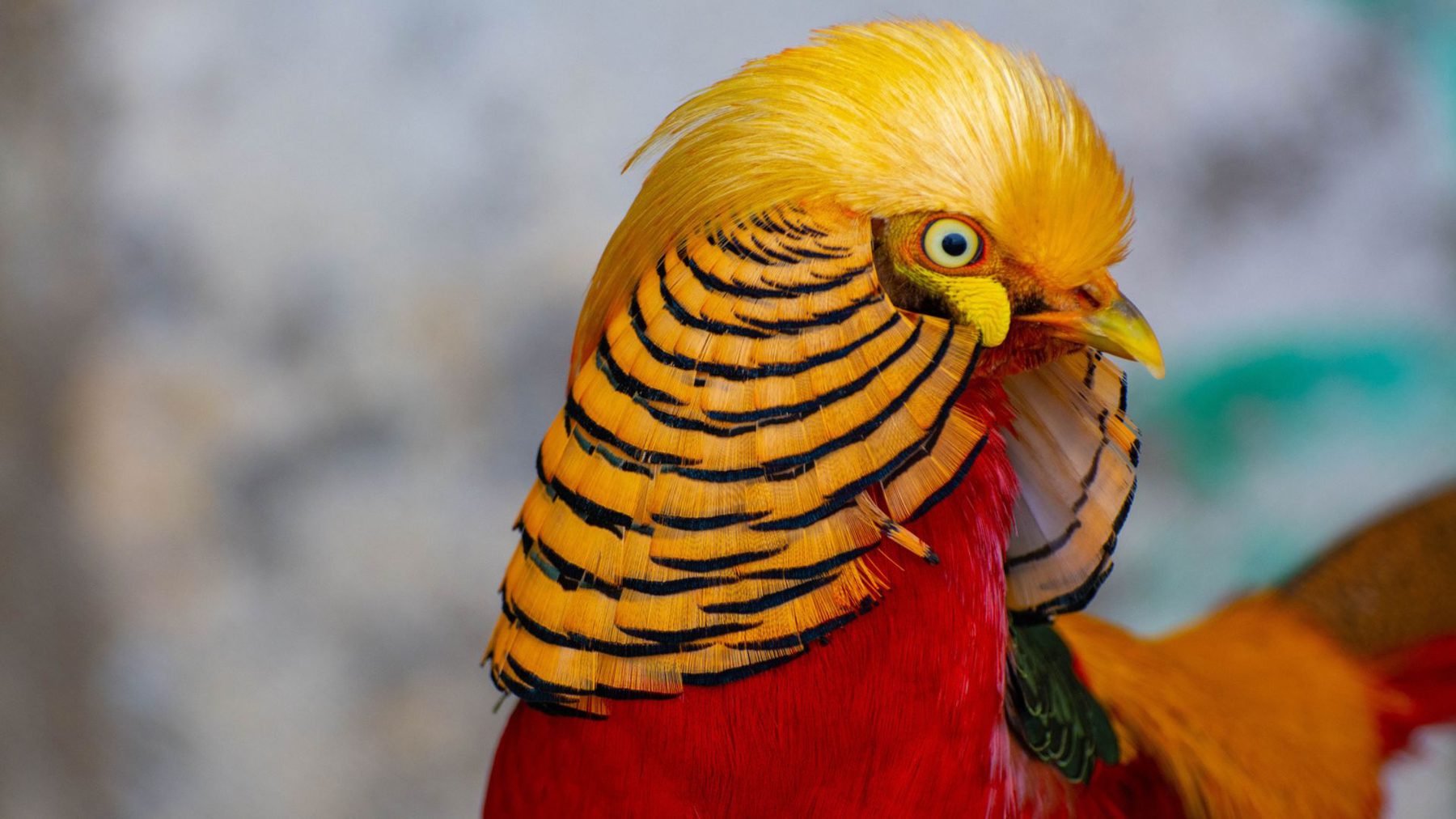
Some of these projects include coordinating the MON-T captive breeding programme for the Golden pheasant (Chrysolophus pictus pictus) and being members of the EEP Species Committee for the Red-crowned crane (Grus japonensis).
We also take part in the following ex situ conservation programmes (EEP / ESB / MONP / ISB):
 EEP
EEP
 ESB
ESB
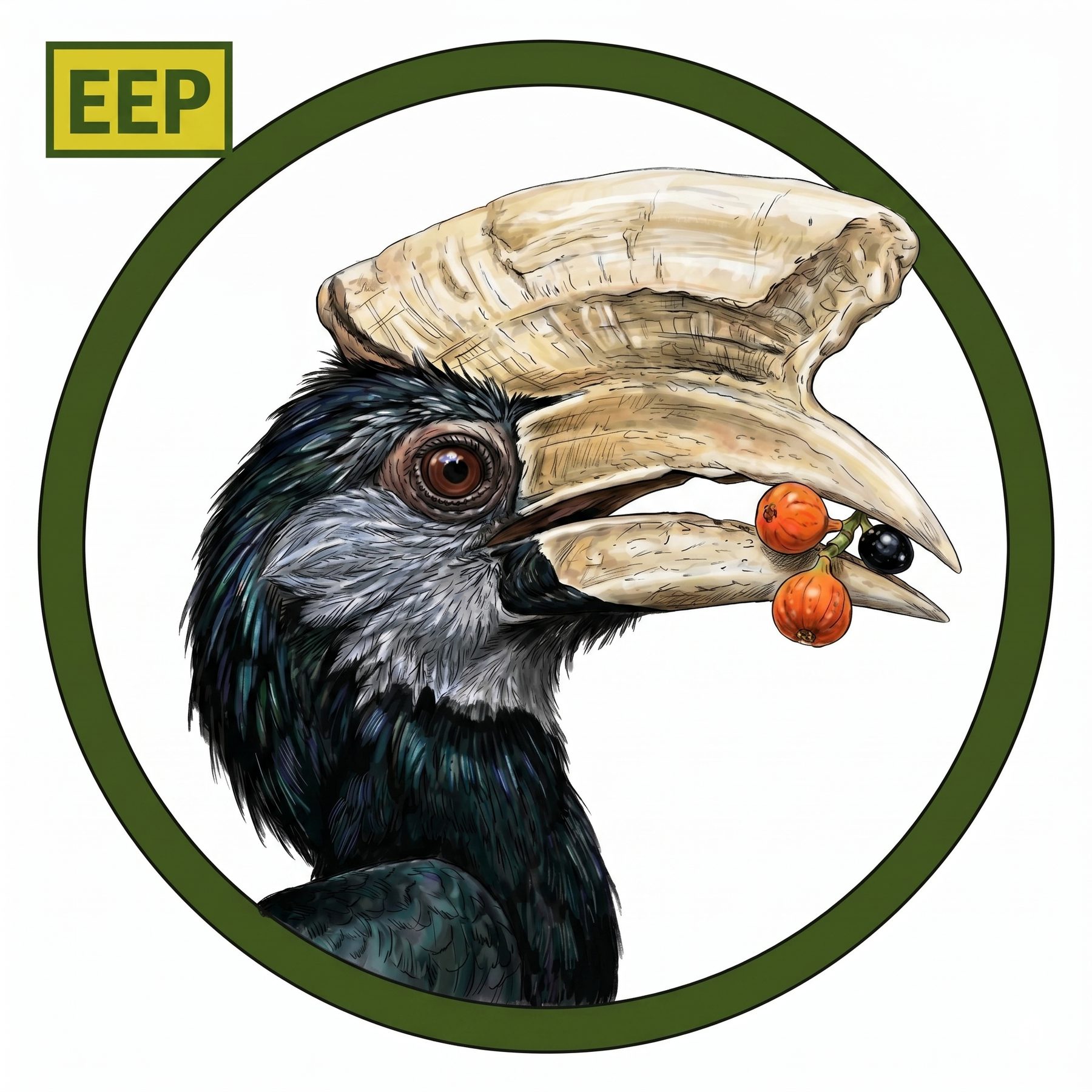 EEP
EEP
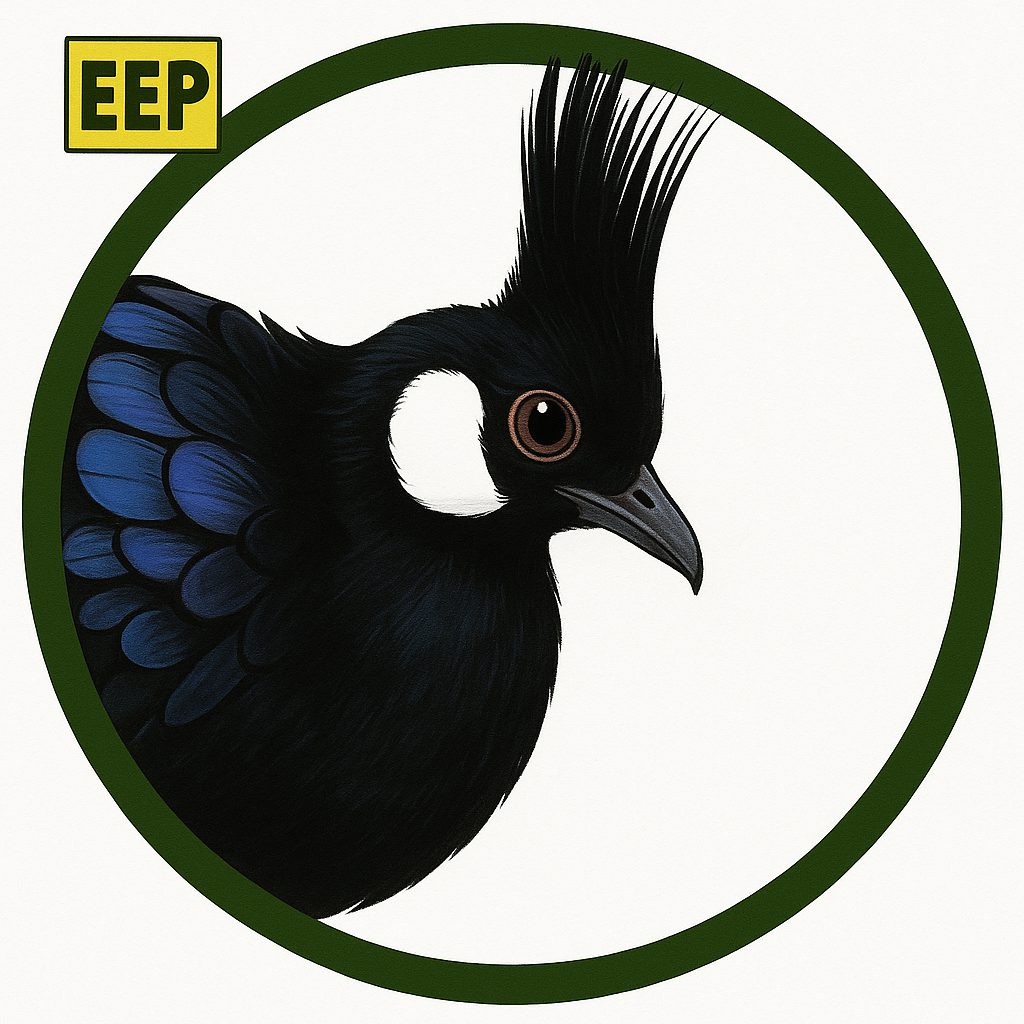 EEP
EEP
 MONP
MONP
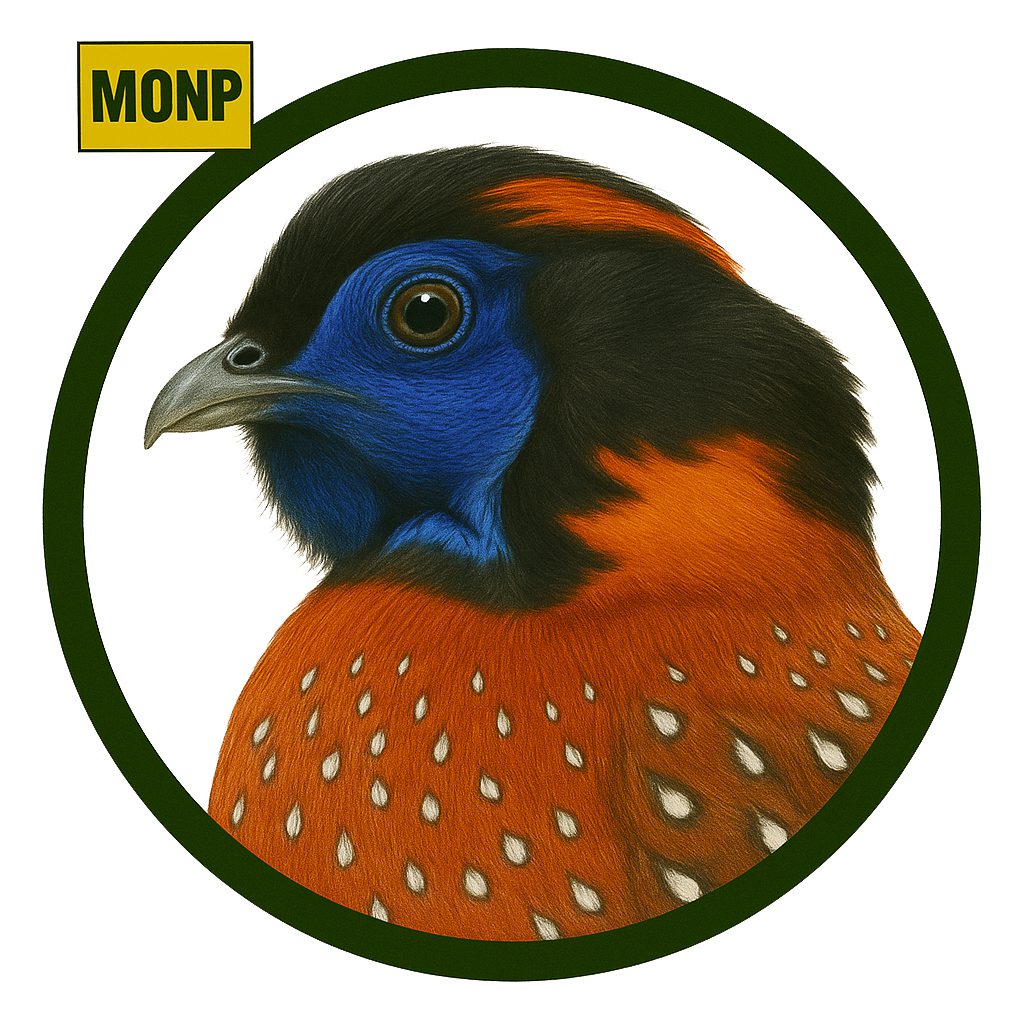 MONP
MONP
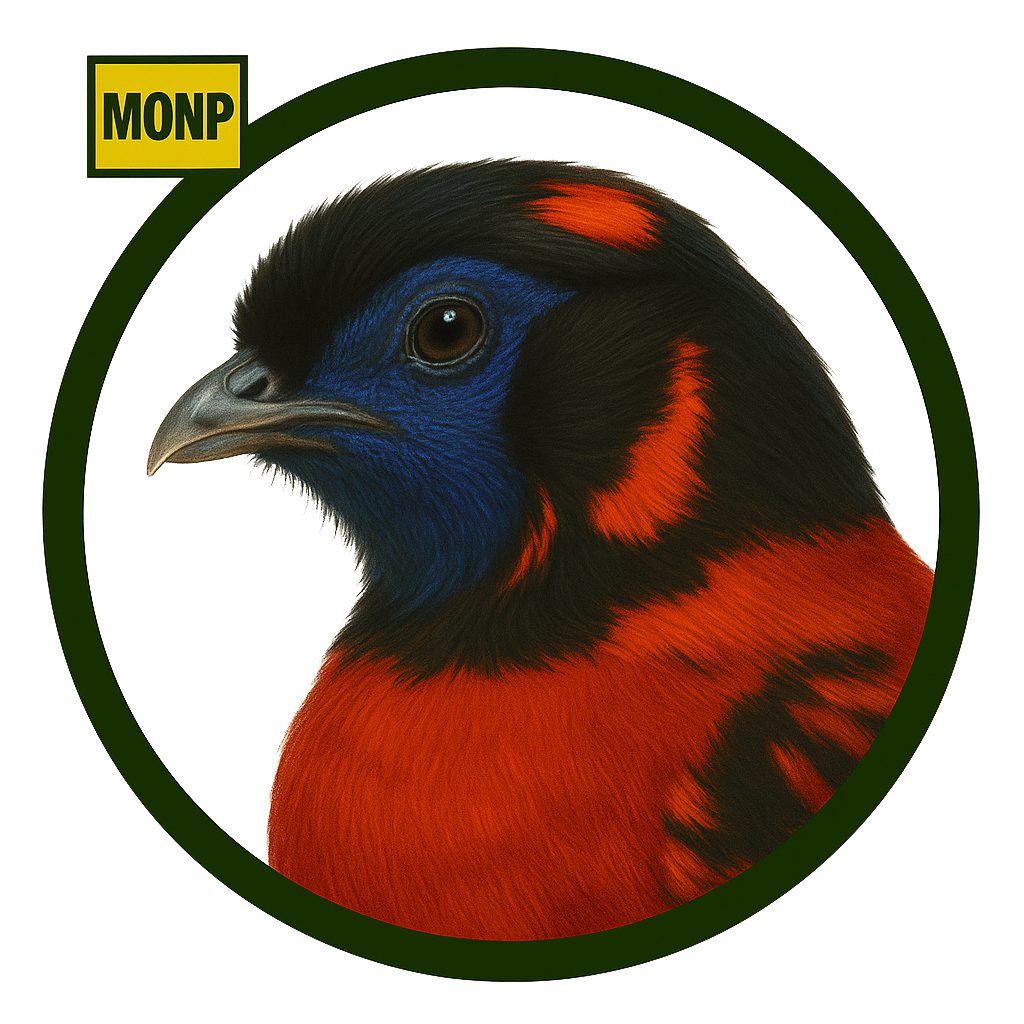 MONP
MONP
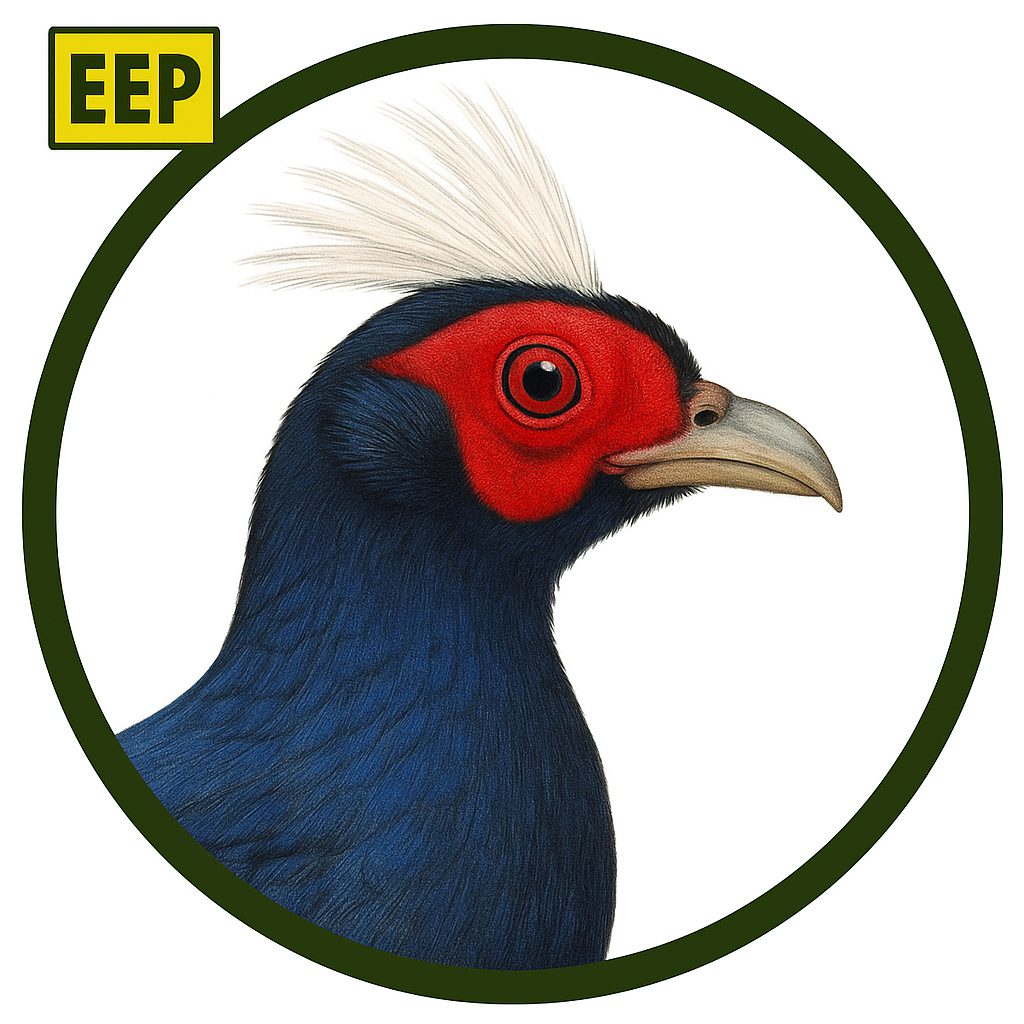 EEP
EEP
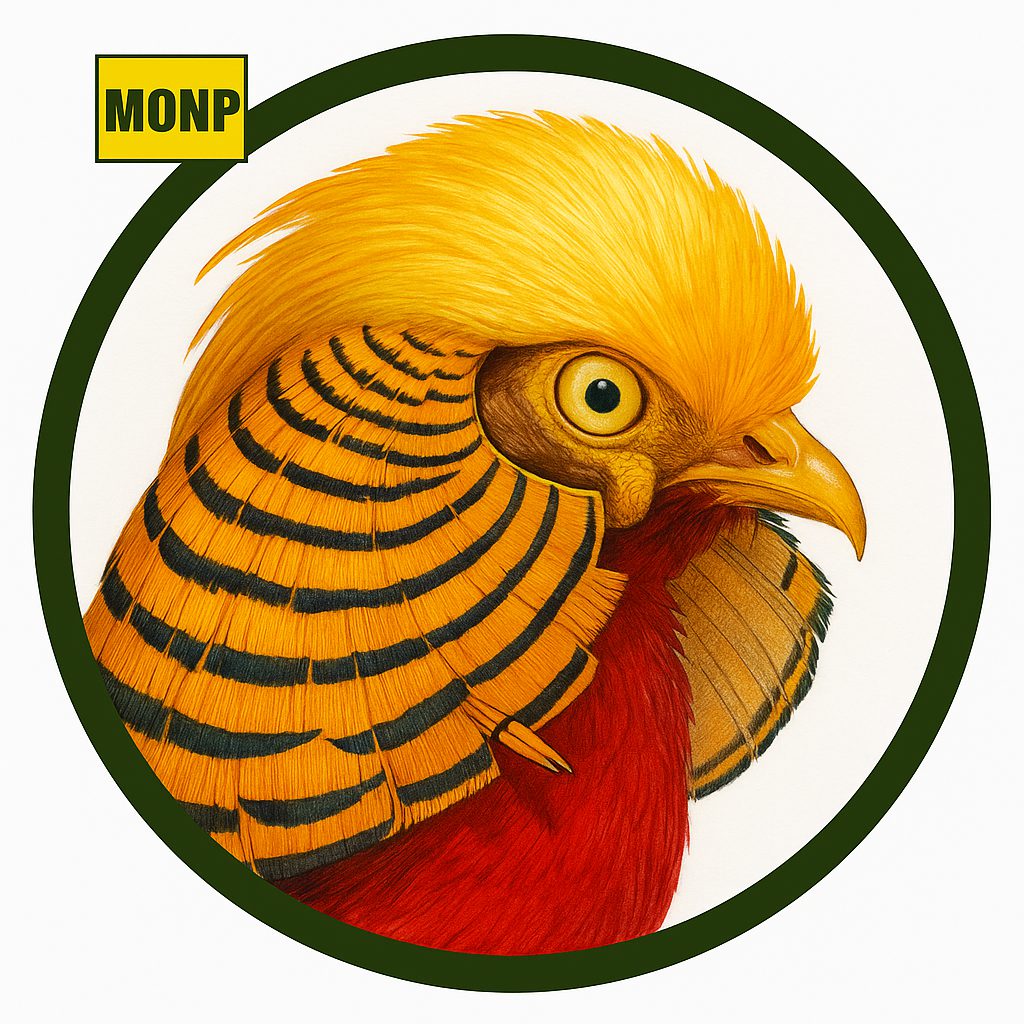 MONP
MONP
 ESB
ESB
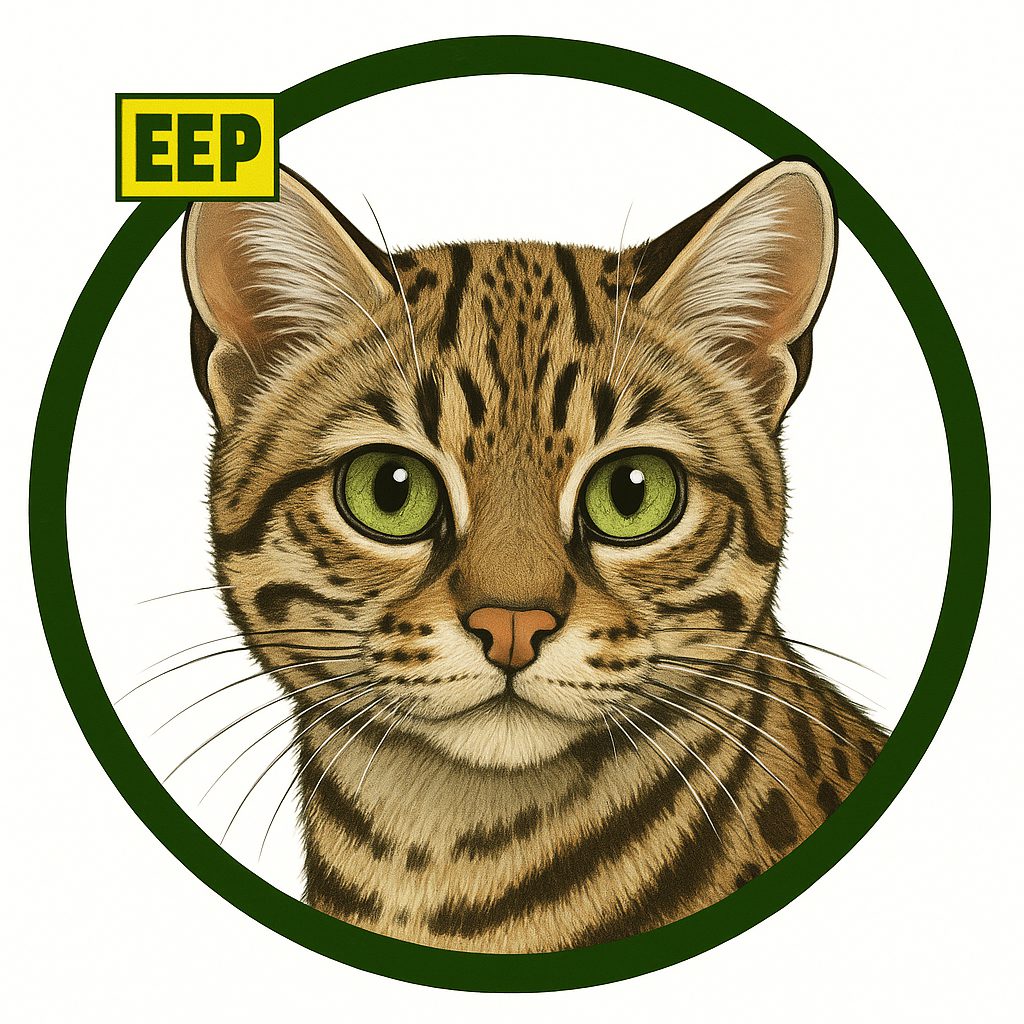 EEP
EEP
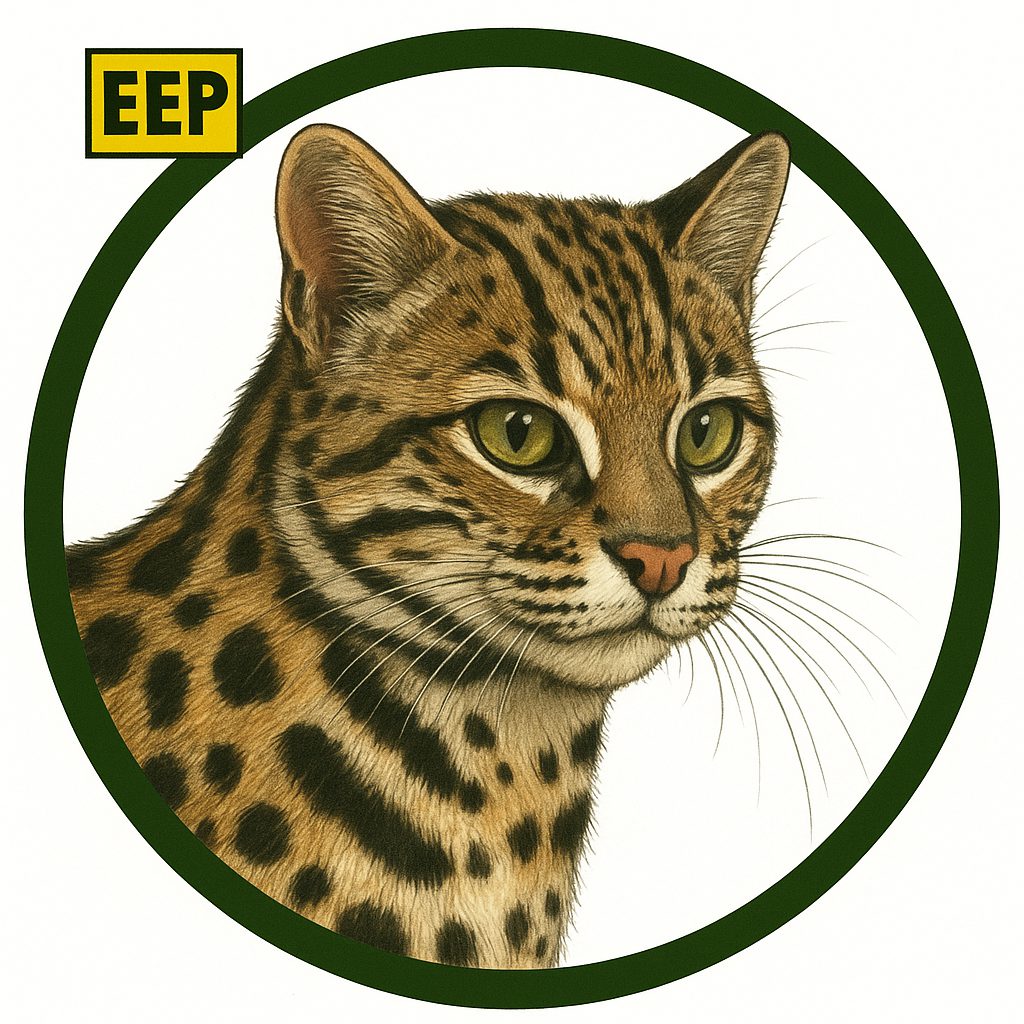 EEP
EEP
 ESB
ESB
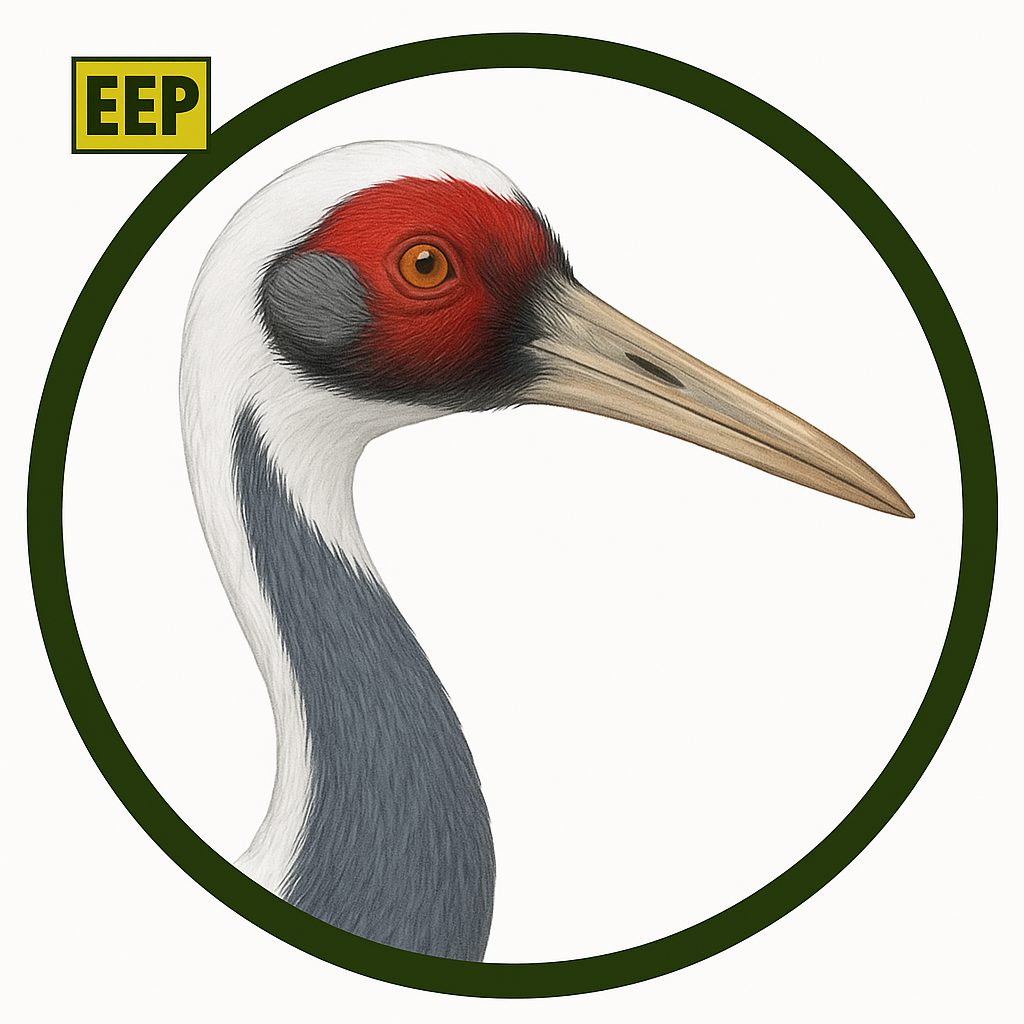 EEP
EEP
 EEP
EEP
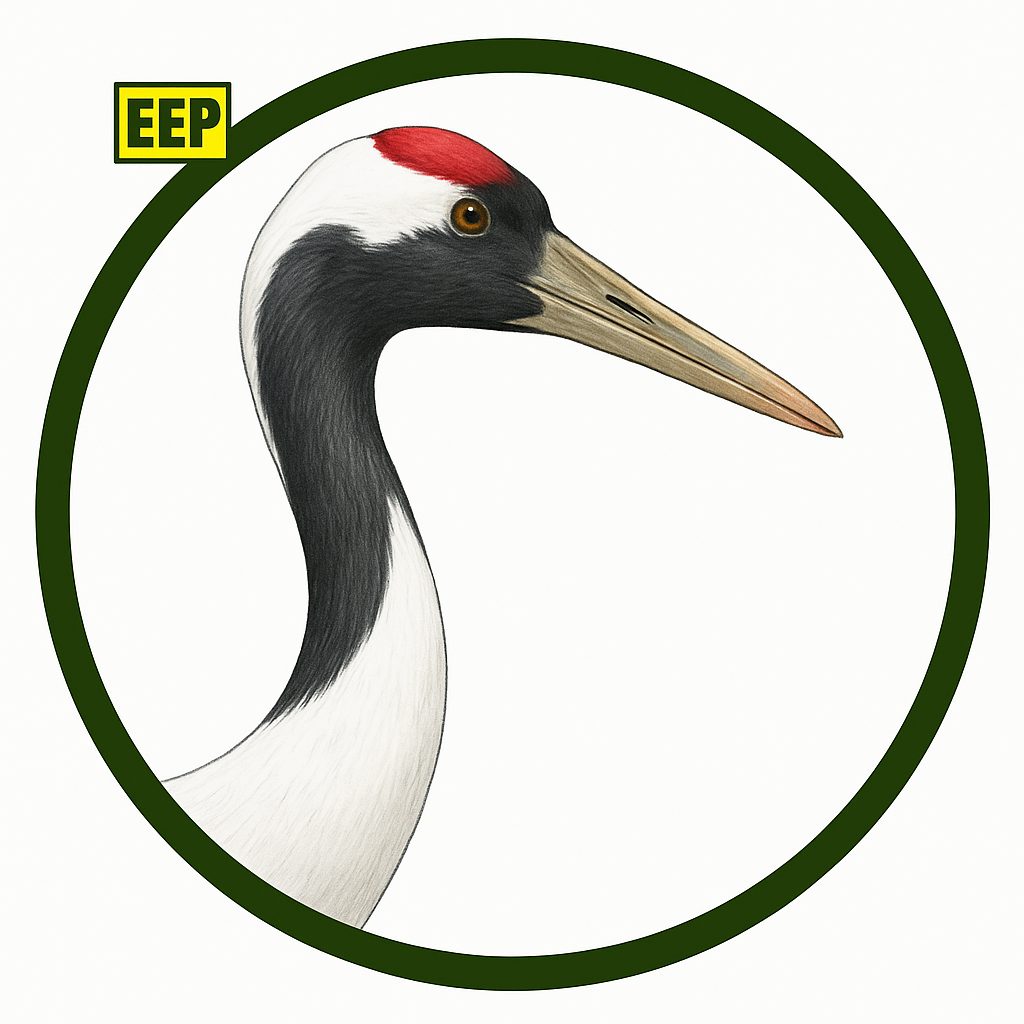 EEP
EEP
 EEP
EEP
 ESB
ESB
 EEP
EEP
 MONP
MONP
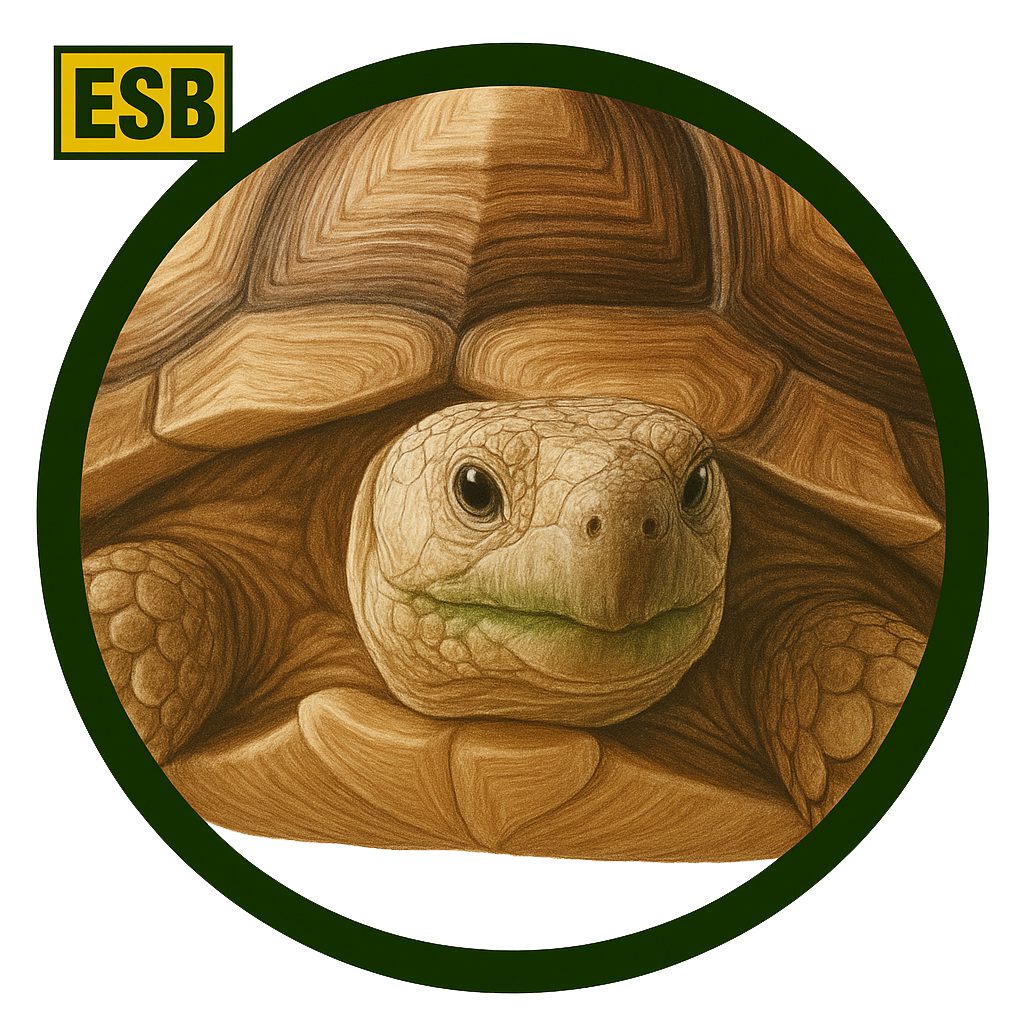 ESB
ESB
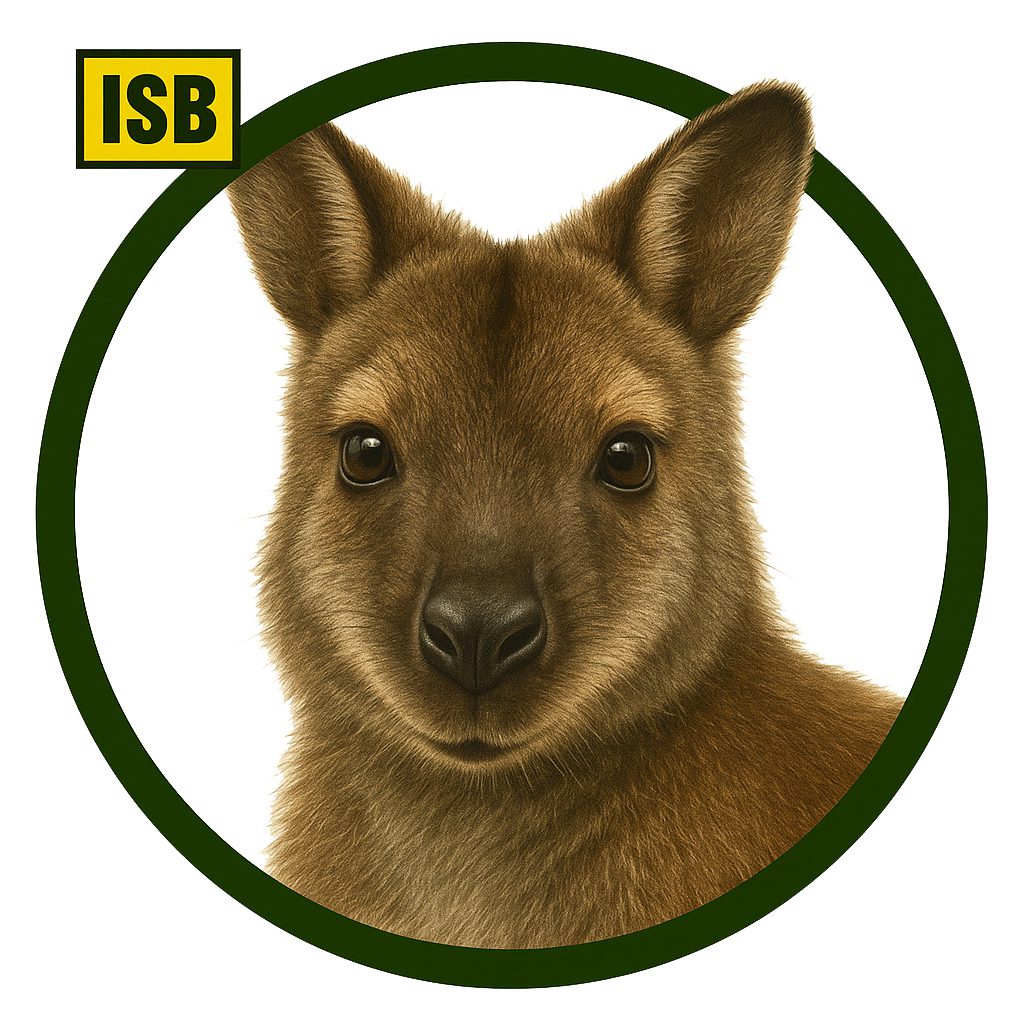 ISB
ISB
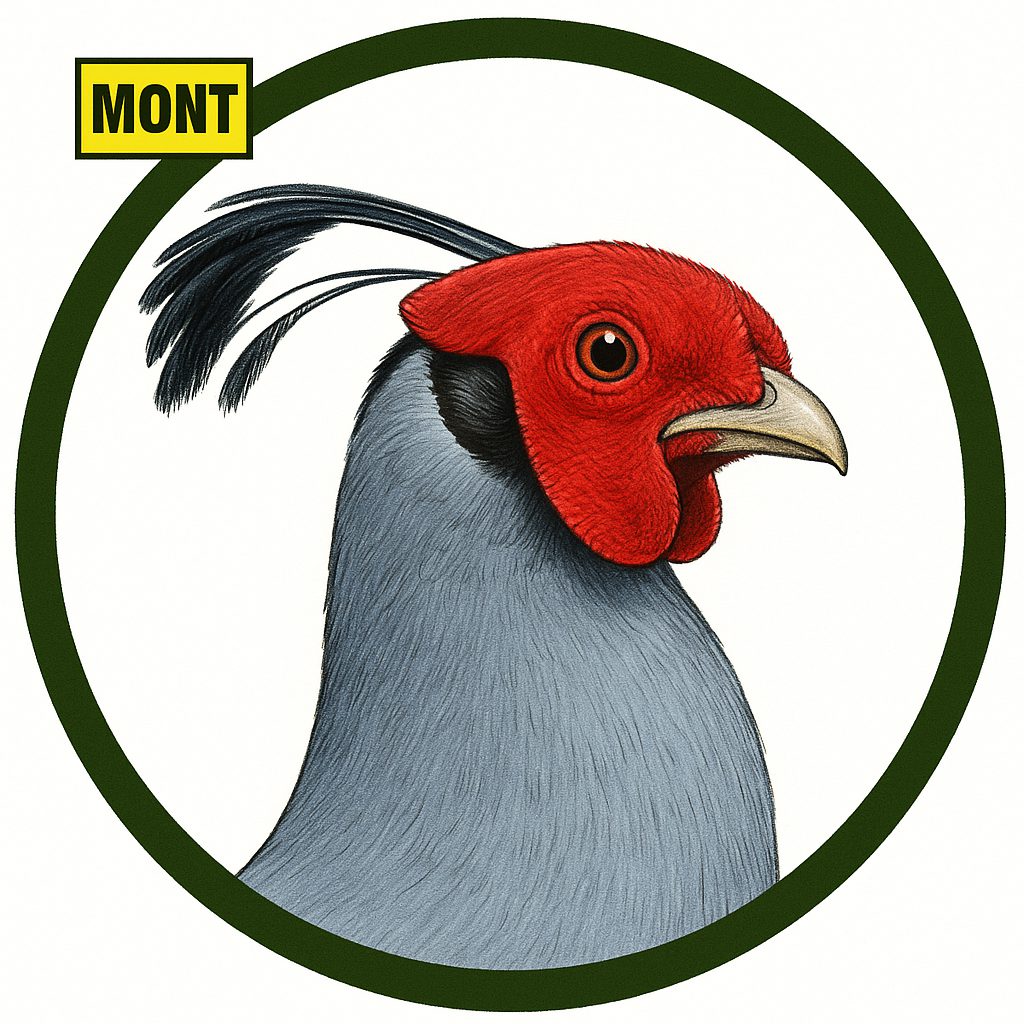
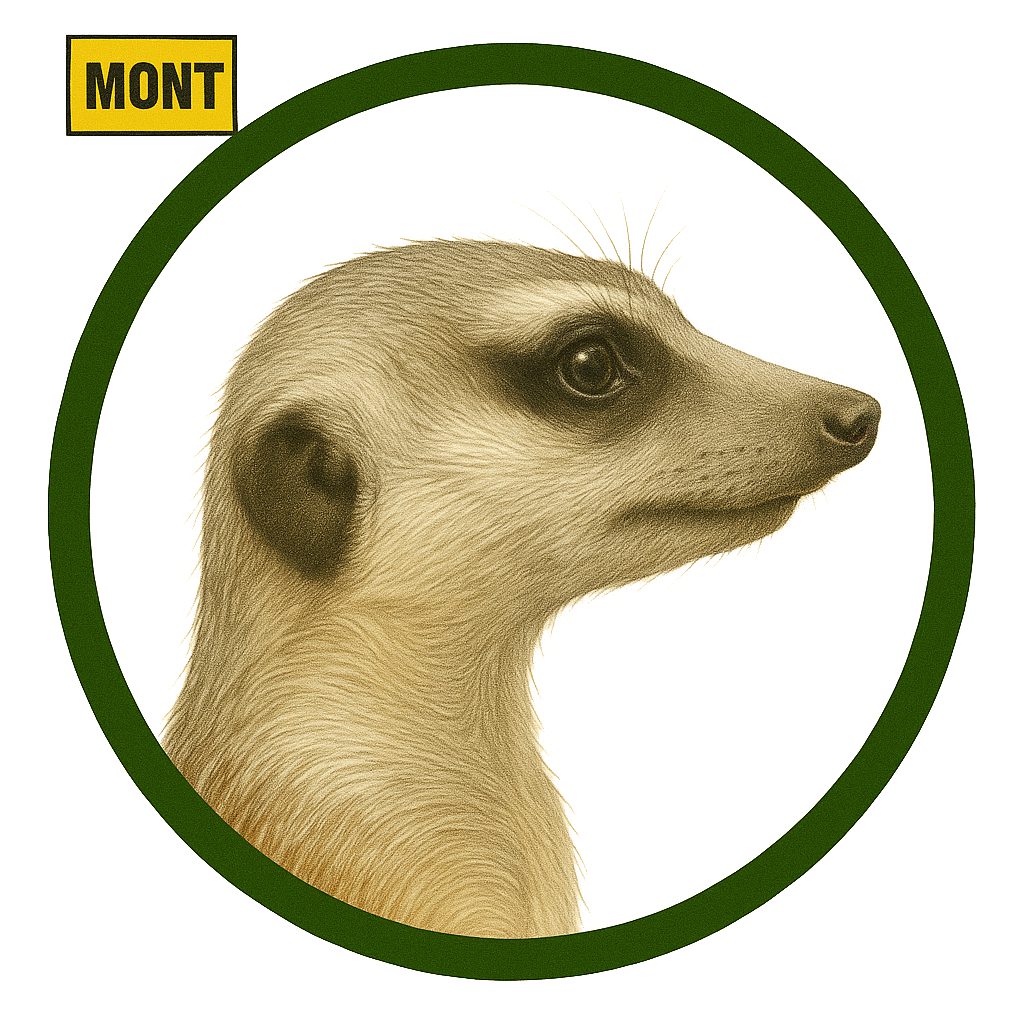 MONT
MONT
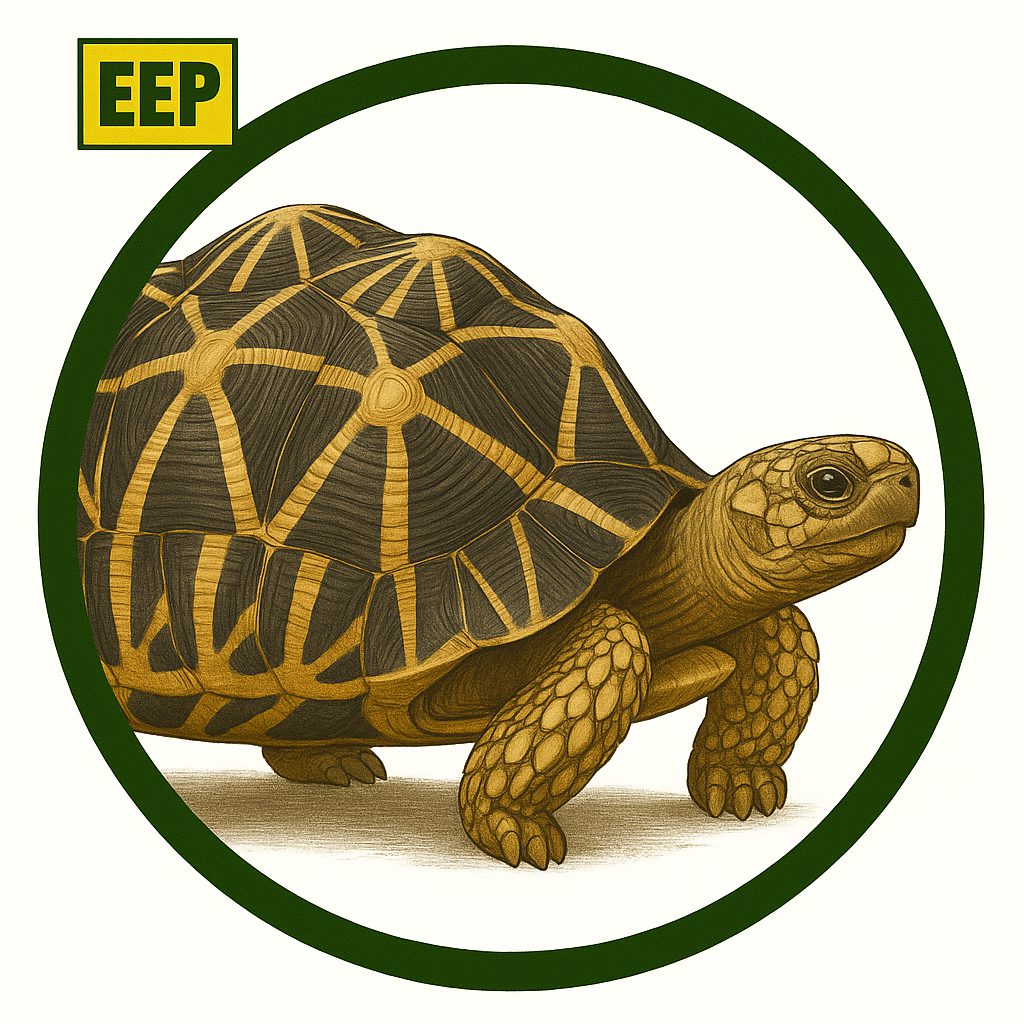 EEP
EEP
We actively participate as a collaborating centre in in situ conservation. In situ conservation is a conservation strategy carried out in the natural habitat of species, and includes activities such as habitat protection and the conservation of endangered species.
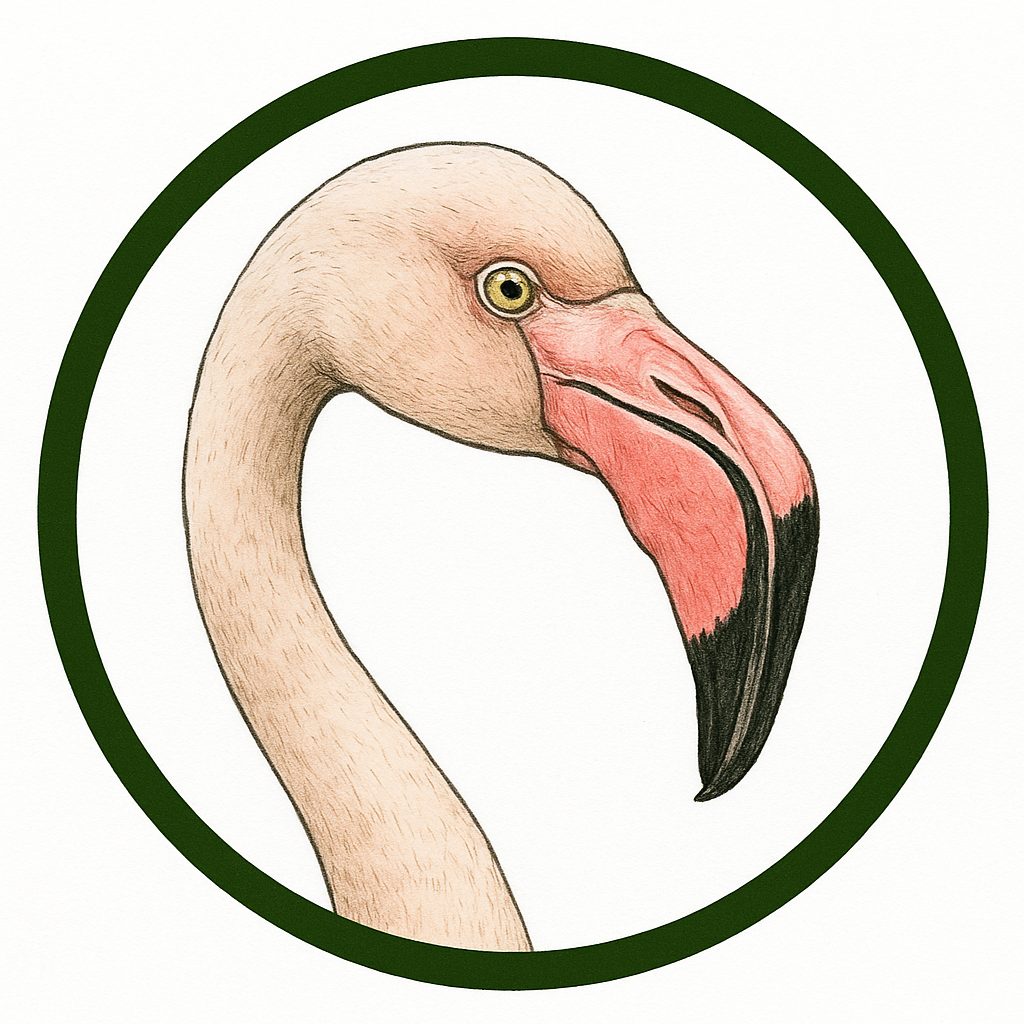
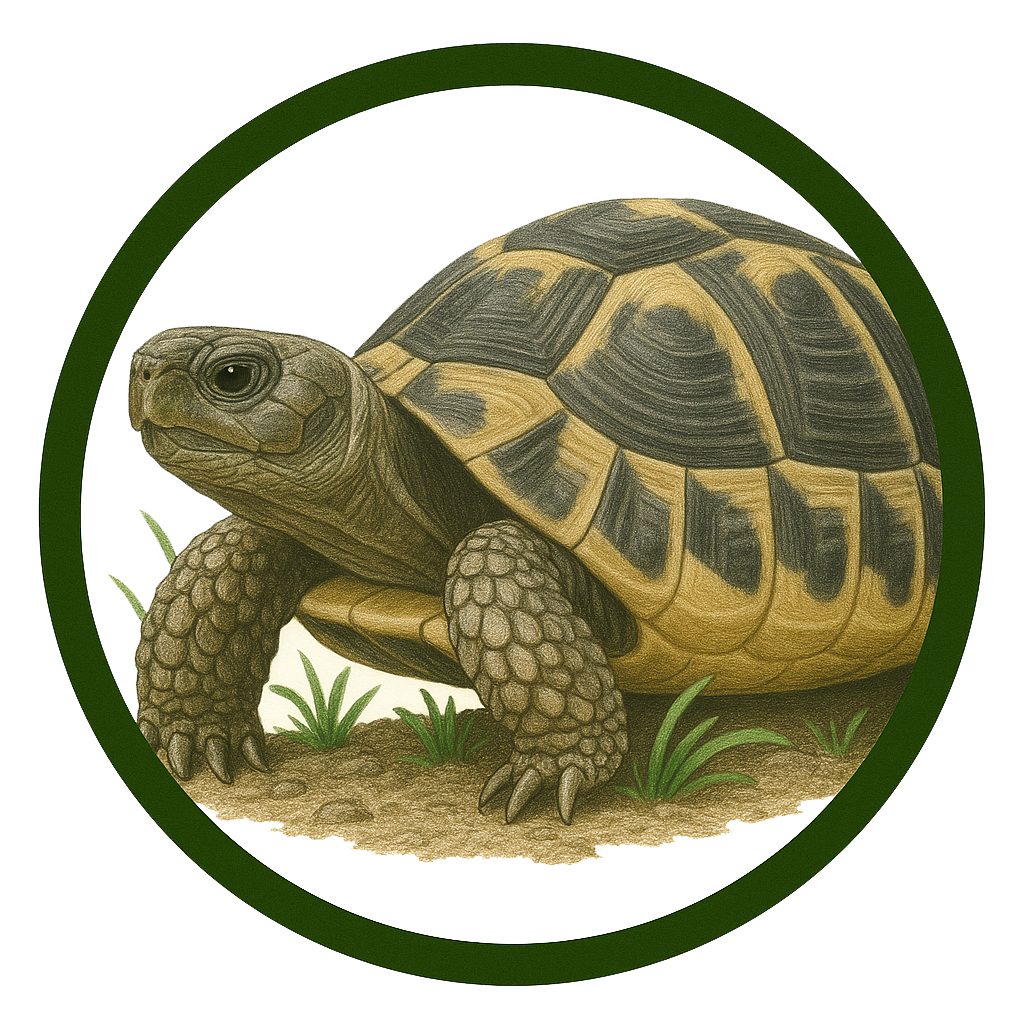
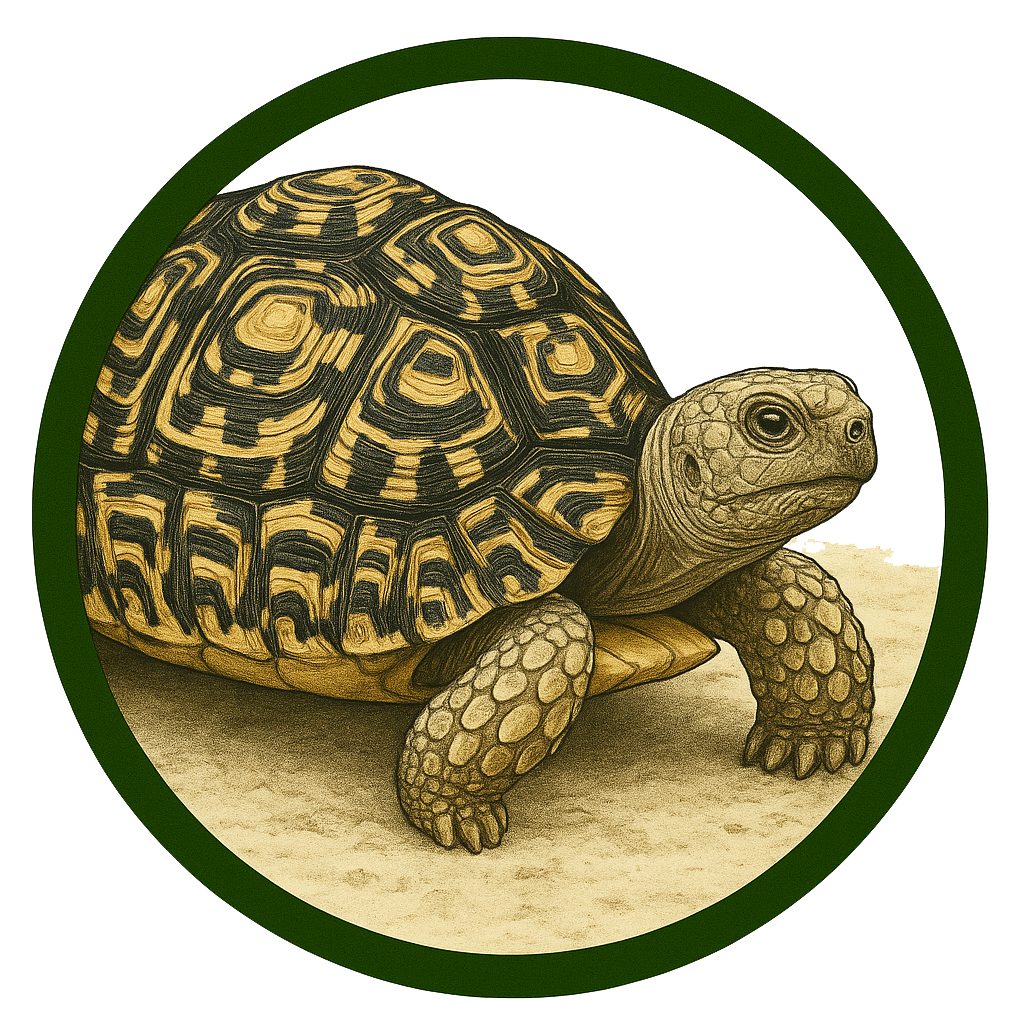
In this way we act as a tool for protecting endangered species directly in their natural habitat, by releasing animals, rehabilitating injured ones and protecting their habitats. These are the projects we take part in: Flamingos and Mediterranean tortoise.
Social outreach is another of the pillars we work on at the Foundation. Throughout our short history we have invited thousands of people with disabilities to visit and enjoy a different day out, completely free of charge.
Even in normal circumstances, people with disabilities face more difficulties in accessing health, education, employment and social participation. We need a comprehensive approach so that no one is left behind. At the Foundation we will keep tackling this social challenge with enthusiasm, dedication and affection, but none of this would be possible without your visit and your support. Thank you very much for your trust!
As part of the Foundation's collaboration programmes, we have invited numerous non-profit associations that work with people with disabilities so that they can experience nature up close and be enriched through their senses. These are some of the organisations we have worked with:








An annual recognition of the work of an individual or organisation in defending captive breeding for conservation purposes. It is presented on the anniversary of the Zoo Koki Foundation, recognising the previous year's work and the recipient's presence and influence in the world of conservation.
Some animals are shot, collide with power lines or are run over, and are left with injuries that prevent them from being returned to the wild. We want to be a refuge for this non-releasable fauna, which also serves as an educational and training resource, with numerous channels of cooperation with national and regional bodies to house these animals.
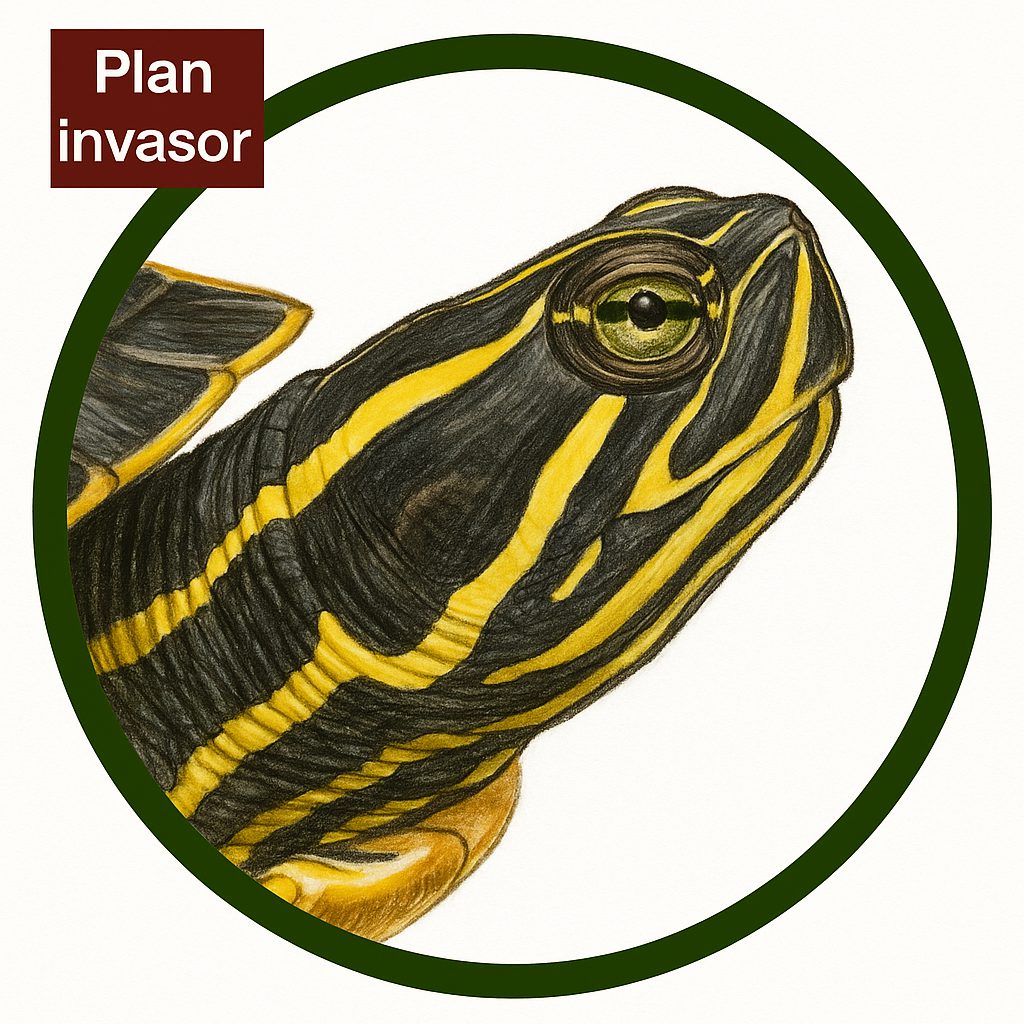
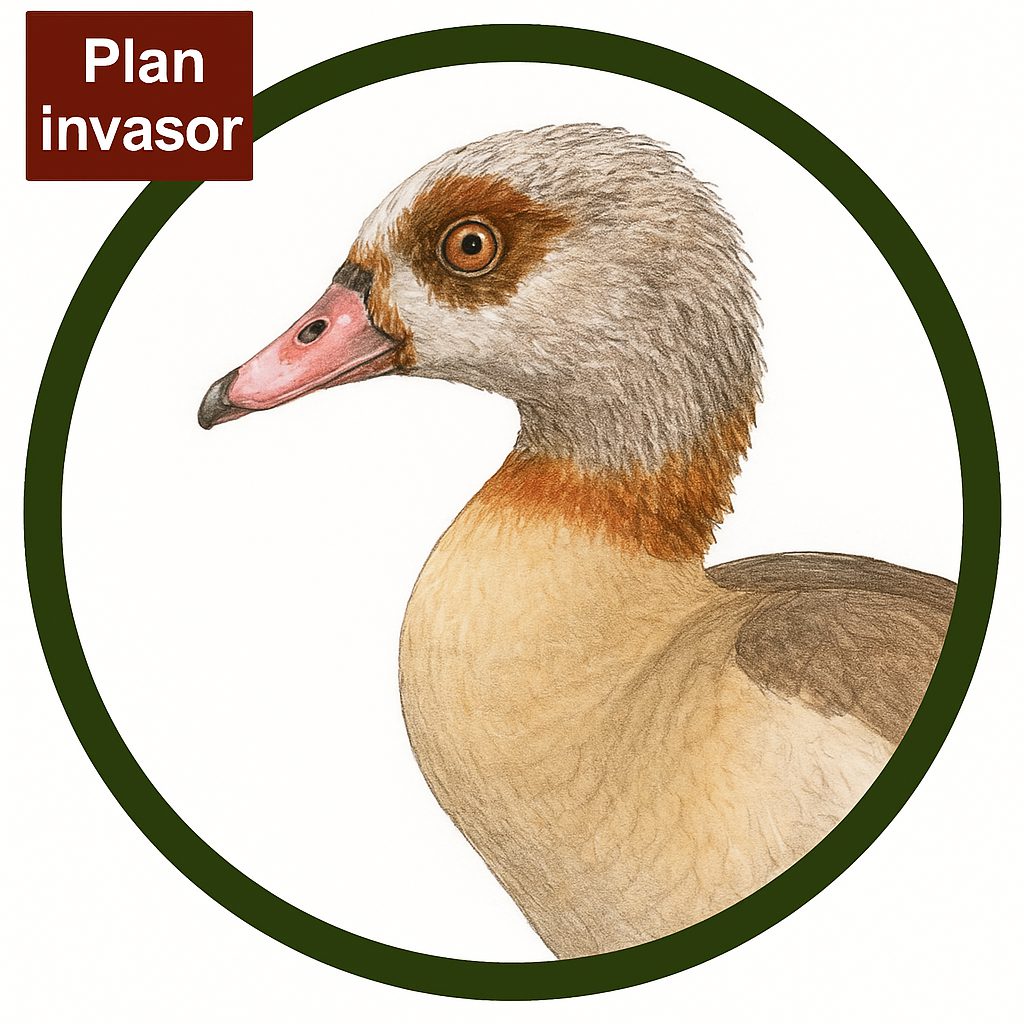
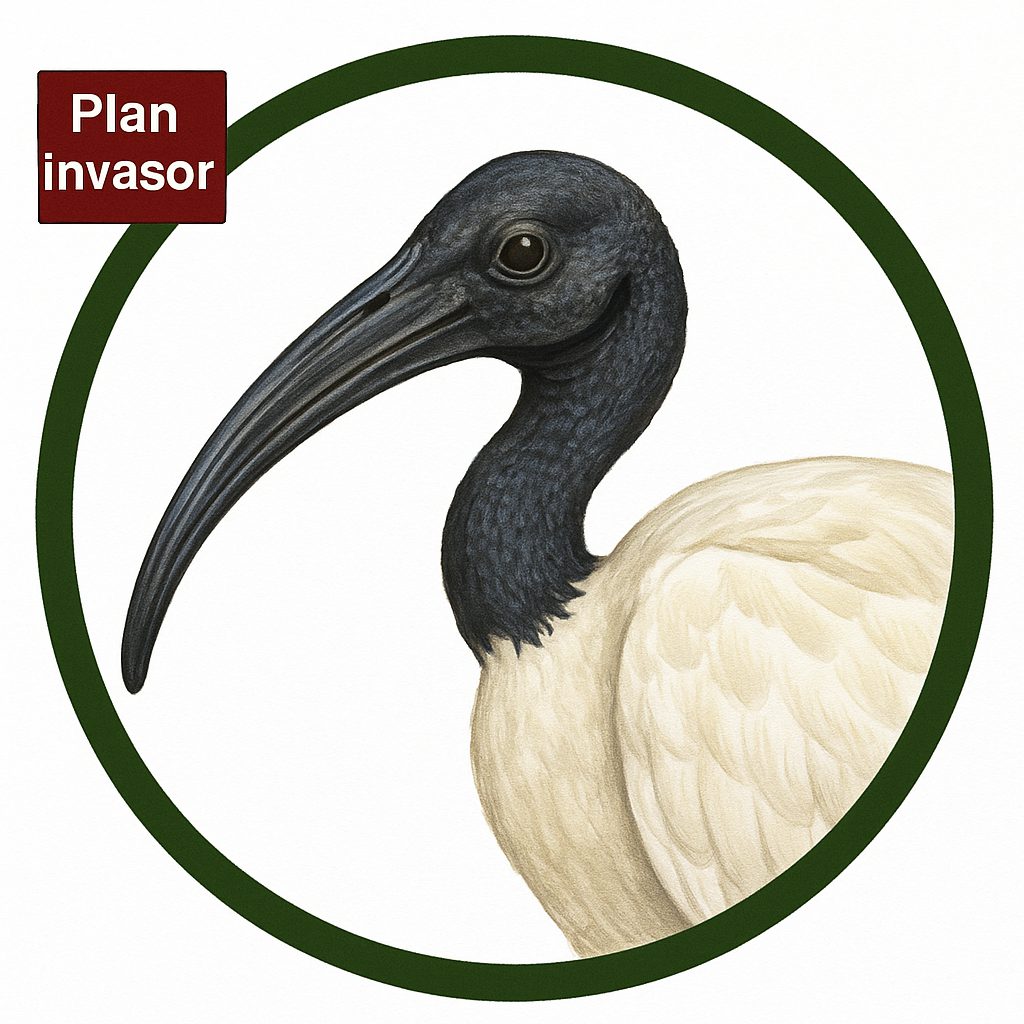
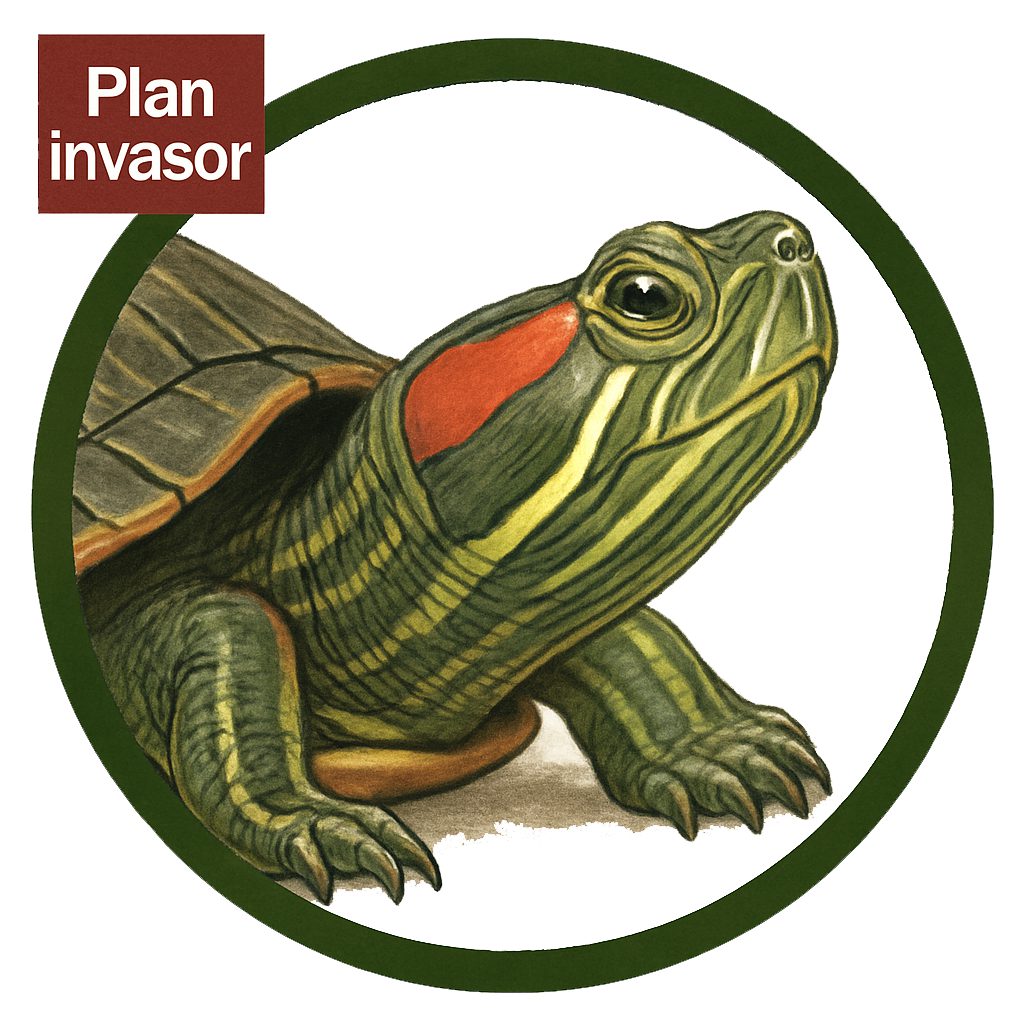
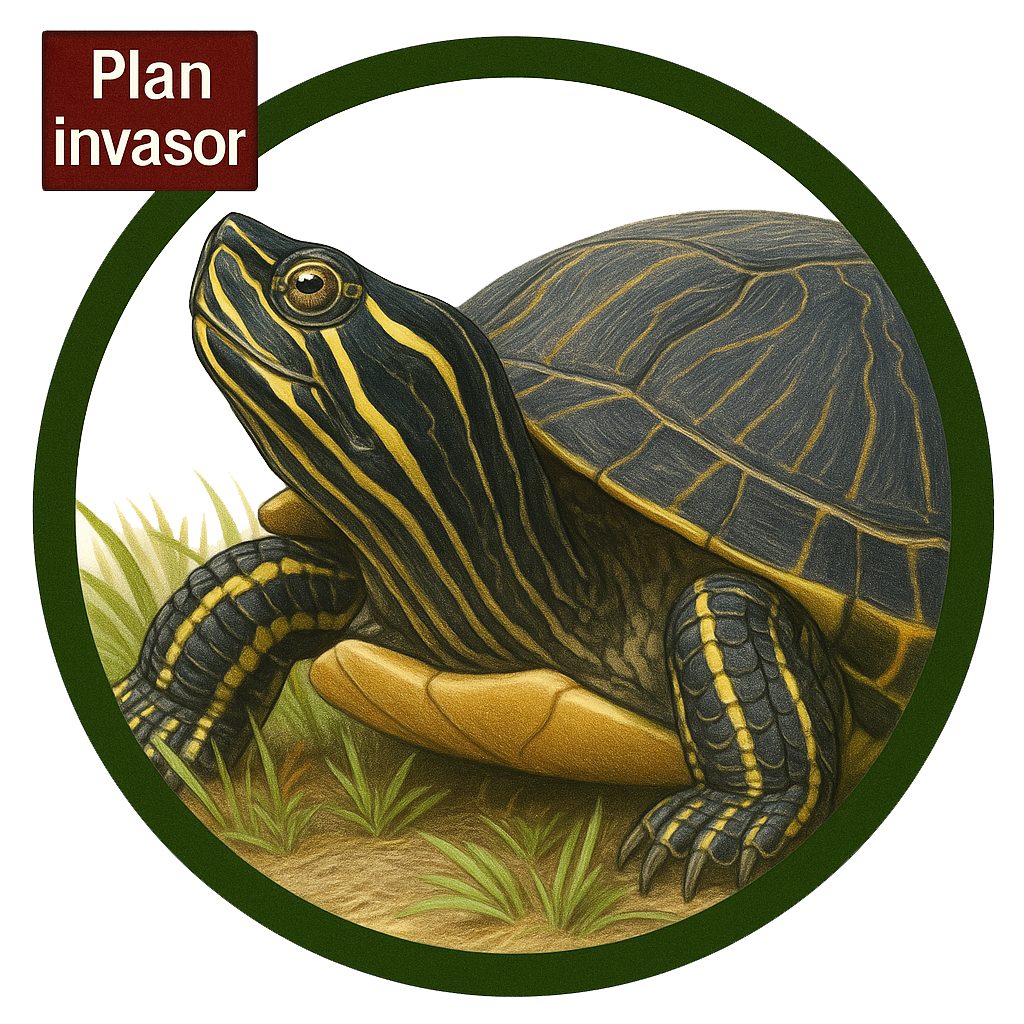
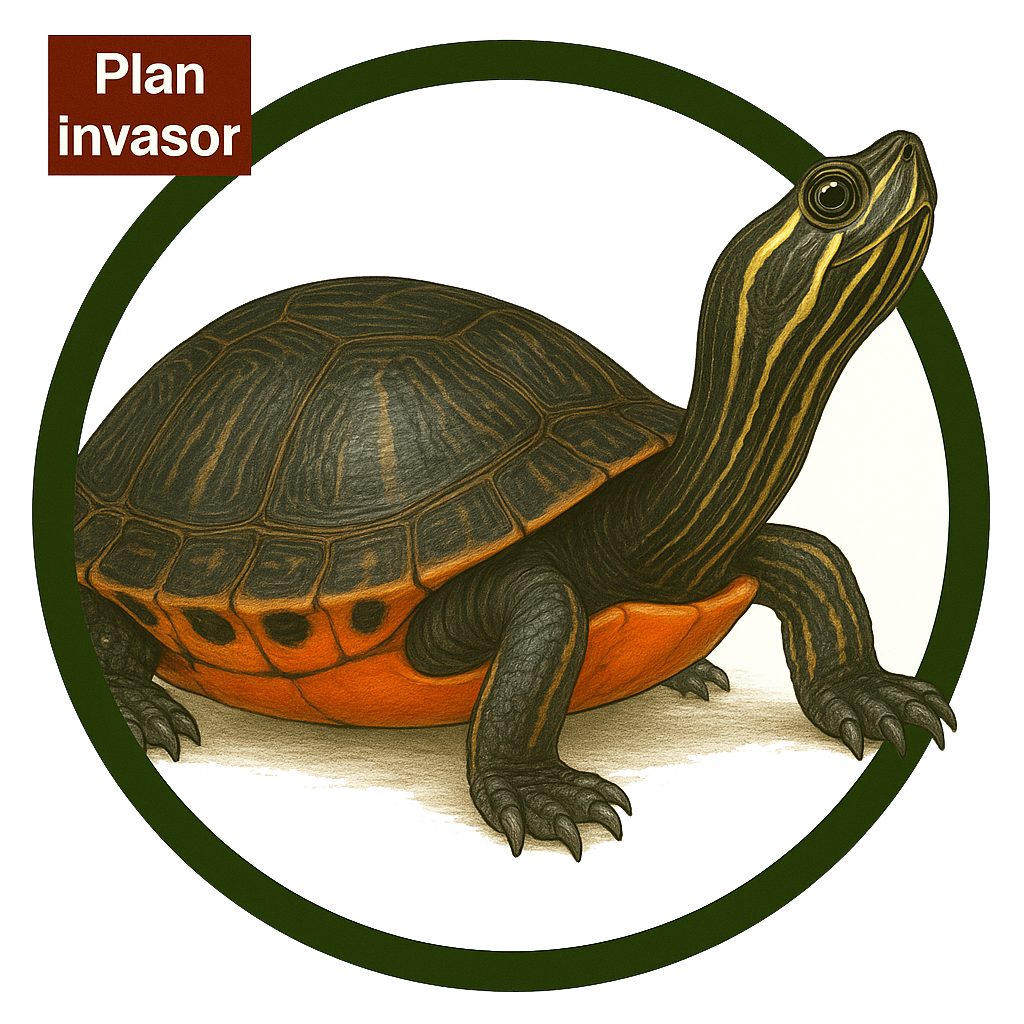
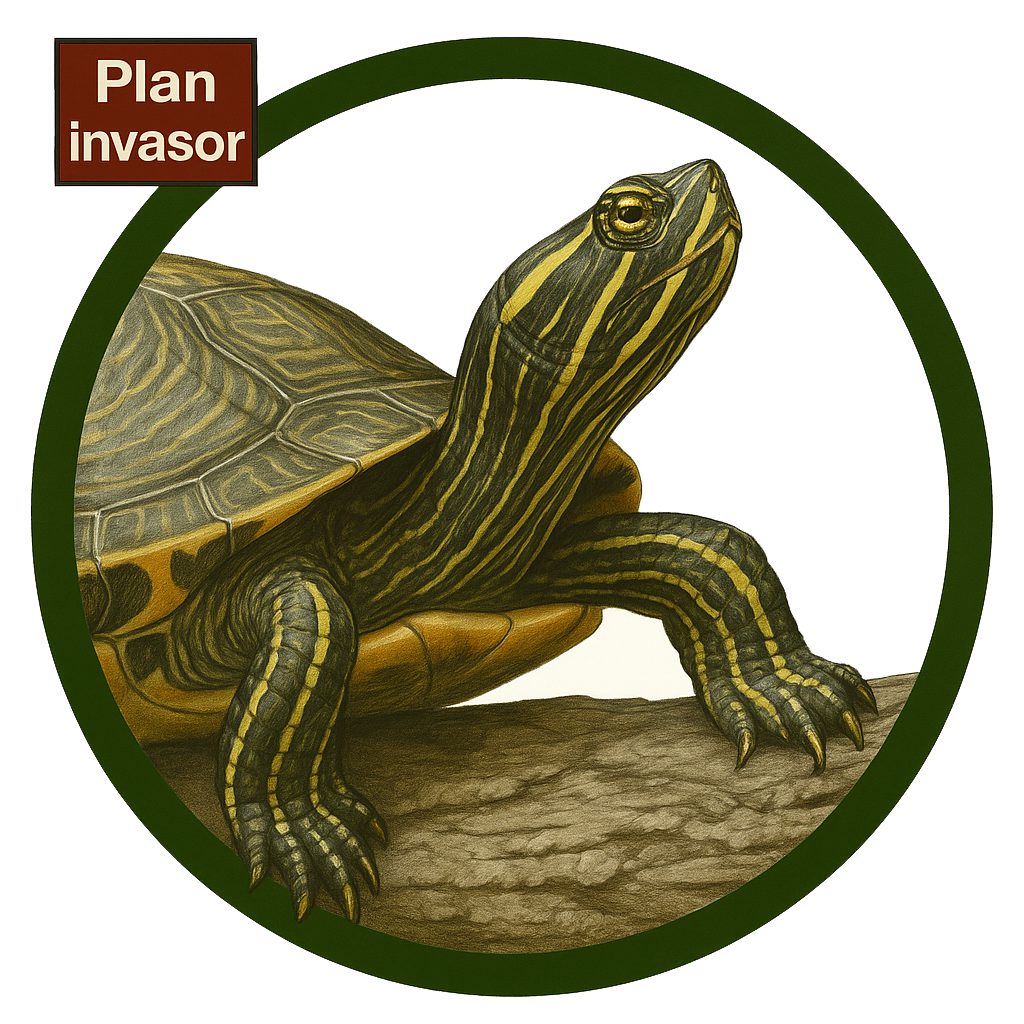
Invasive alien species are animals that have been introduced, transported and released in places other than their native range, where they become invasive: one of the most serious threats to biodiversity, socio-economic wellbeing and sustainability. We help by housing some of these animals to prevent them from being released and harming native species.
We work with various bodies to house species from confiscations or illegal trafficking, serving as a centre for animals that, after intervention by law enforcement officers, have nowhere to be kept and cared for. These are some of the animals we house for this reason:
We take part in various research projects that seek to better understand nature and living things and to contribute to their conservation: studies on the behaviour, biology and habitat of different animal and plant species, in collaboration with research institutions and universities to promote the transfer of knowledge into practice.