Mammal · Leopardus geoffroyi
| Kingdom | Animalia |
| Phylum | Chordata |
| Class | Mammalia |
| Order | Carnivora |
| Suborder | Feliformia |
| Family | Felidae |
| Subfamily | Felinae |
| Genus | Leopardus |
| Species | Leopardus geoffroyi |
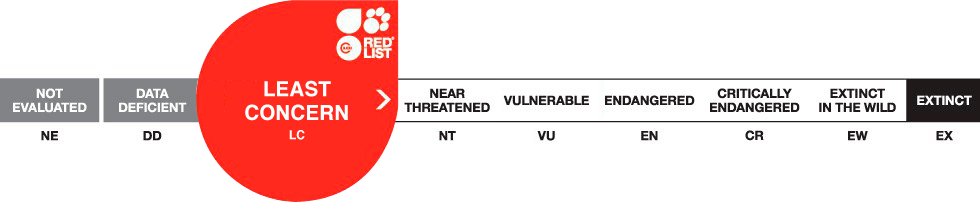
It lives in many ecosystems, such as the steppes of the southern Andes, the Pampas, the Patagonian steppes and the Gran Chaco. It is absent only from humid forests and extensive rainforests, although it does live in gallery forests. It inhabits both pristine areas and places with a human presence, although it tends to prefer areas with tree cover.
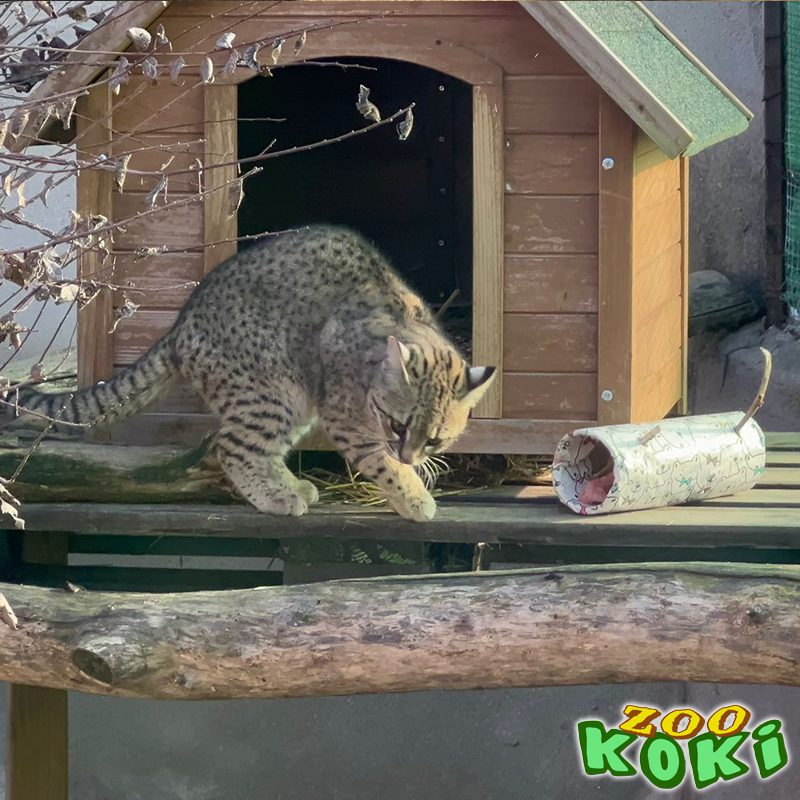
It feeds mainly on rodents, small lizards and insects, and occasionally frogs and fish; it is the top predator in its food chain. Although the species does not seem to be suffering, some conservationists are concerned about excessive hunting for its fur.
After a gestation of roughly 72 to 78 days, females give birth to a litter of 2 (sometimes 3) kittens. They weigh 2.25 to 3.5 ounces at birth and begin to walk between 14 and 21 days of age.
The pregnant female searches very carefully for a den in which to have her litter, and the cubs develop very quickly: by 6 weeks they are fully mobile.
The greatest threat has been the exploitation of its fur for the fur trade, which sadly still exists. The good news is that commercial hunting has practically ceased, and the skins now come from cats killed as pests and as predators of livestock. This has helped to reduce the number of deaths from what was an average of 55,000 animals per year to considerably fewer now (the exact figures are not known). Deforestation caused by human encroachment is also a problem facing this small cat, but as little is known about its habits, the extent of the damage is not known at present.

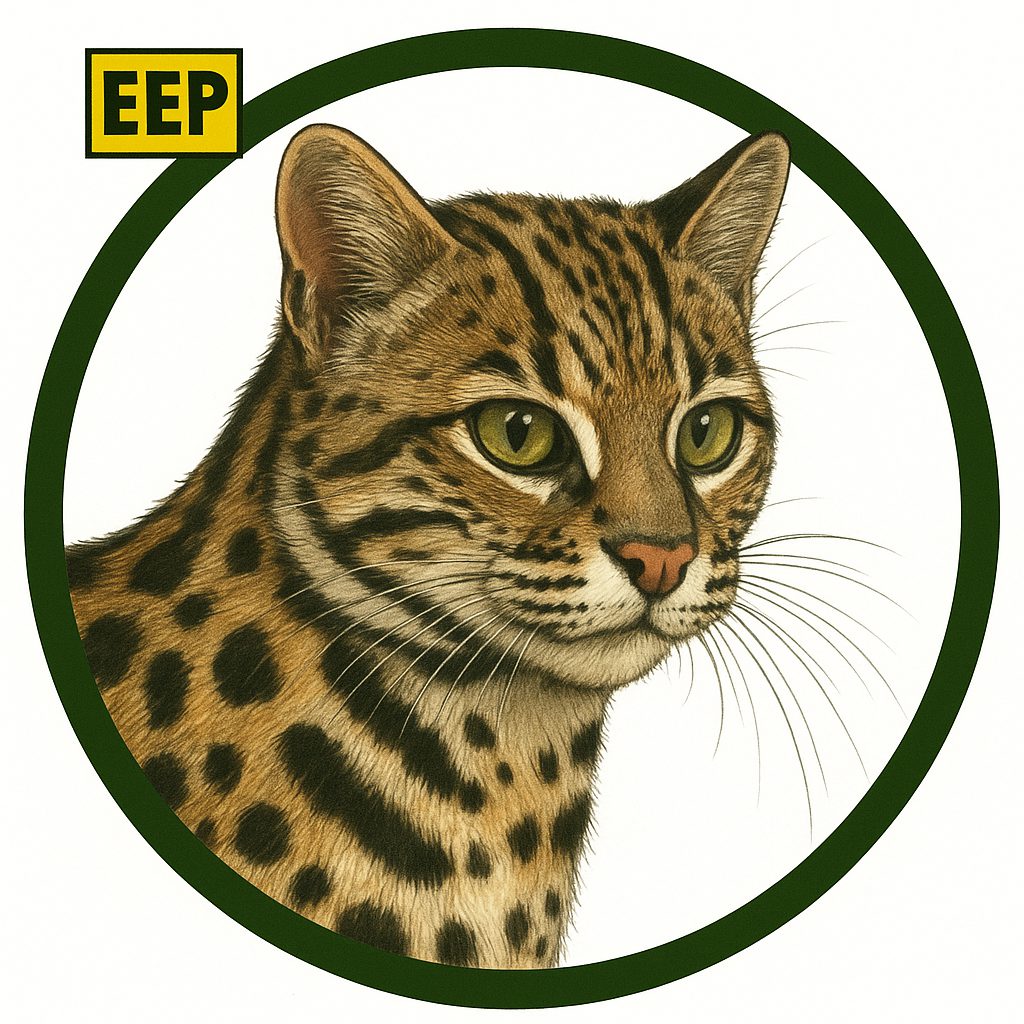
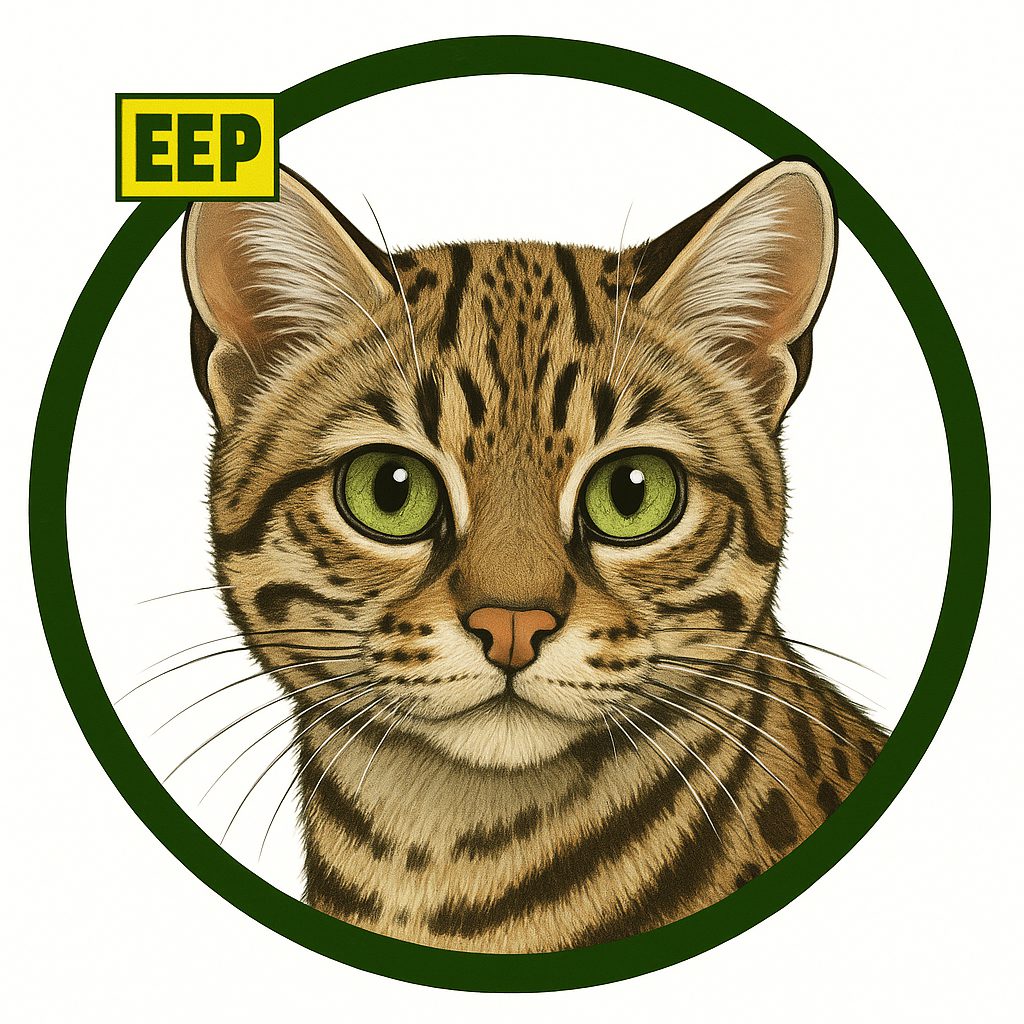
We take part in the breeding programme: EEP (since 2022)
Geoffroy's cat (Leopardus geoffroyi) is a species of carnivorous mammal in the family Felidae. It is probably the most common wild cat in South America.
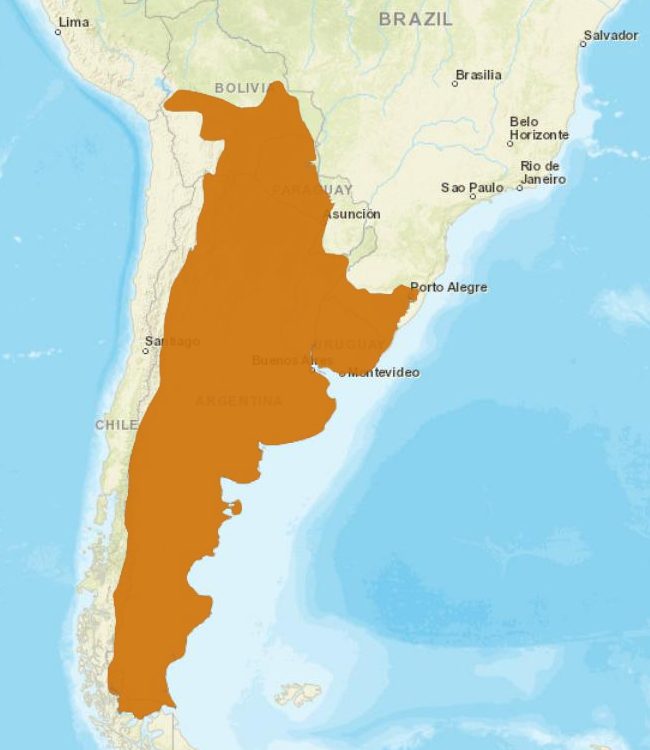 Source: Wikimedia Commons — GeoffroysCat distribution.jpg