The Eurasian lynx (Lynx lynx), also called the northern, European or common lynx, is a species of carnivorous mammal of the family Felidae. It is the most common and best-known representative of the genus Lynx. It is a medium-sized cat, a predator native to the forests of Europe and Siberia.
| Kingdom | Animalia |
| Phylum | Chordata |
| Class | Mammalia |
| Order | Carnivora |
| Family | Felidae |
| Subfamily | Felinae |
| Genus | Lynx |
| Species | Lynx lynx |
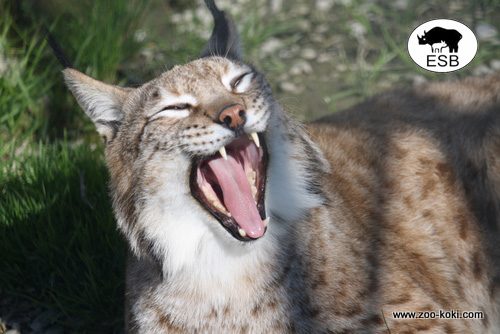
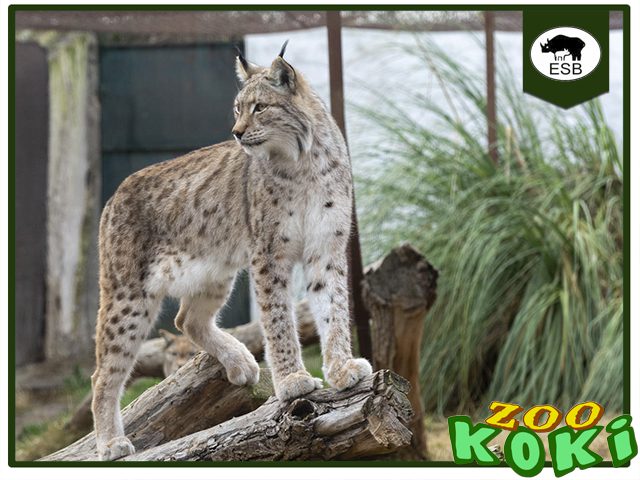
The Eurasian lynx (Lynx lynx), also called the northern, European or common lynx, is a species of carnivorous mammal of the family Felidae. It is the most common and best-known representative of the genus Lynx.
It is a medium-sized cat, a predator native to the forests of Europe and Siberia.
Subspecies:
Unlike other related cats, Eurasian lynxes base their diet on the capture of ungulates, generally young ones, which are sometimes up to four times larger than themselves. These prey include roe deer, camels, deer, mouflon, musk oxen, chamois, wild goats and reindeer. Young individuals and those living in areas with fewer ungulates more frequently eat hares, rabbits, pikas, rodents, birds and, when the opportunity arises, other smaller carnivores, including their relative, the European wildcat.
The mating season takes place between January and March. For two days within this period, male and female come together and seem to go through a kind of courtship: whereas until then they tended to avoid each other or simply ignore one another, during these 48 hours they live, hunt, eat and sleep together. When the female is ready to mate, she lets it be known by raising her tail. After copulation, the two may mate again on subsequent days, but females normally do so only once a year. Males, on the other hand, look for new females after leaving the last one, mating several times during the breeding season.
Between 65 and 70 days after mating, the female normally gives birth to 1 to 5 tiny cubs (weighing 190 to 210 g), although much larger litters can occur (reaching 12 cubs on occasion). Birth takes place in a cave, an underground shelter or a hollow at the base of a tree, the cubs being born blind, naked and completely helpless. During the first few days, females leave their cubs alone only for as long as necessary to hunt and feed.
Although they are relatively abundant in the Old World, there is a danger of extinction in certain countries because of poachers.

We take part in the breeding programme: ESB (since 2011)
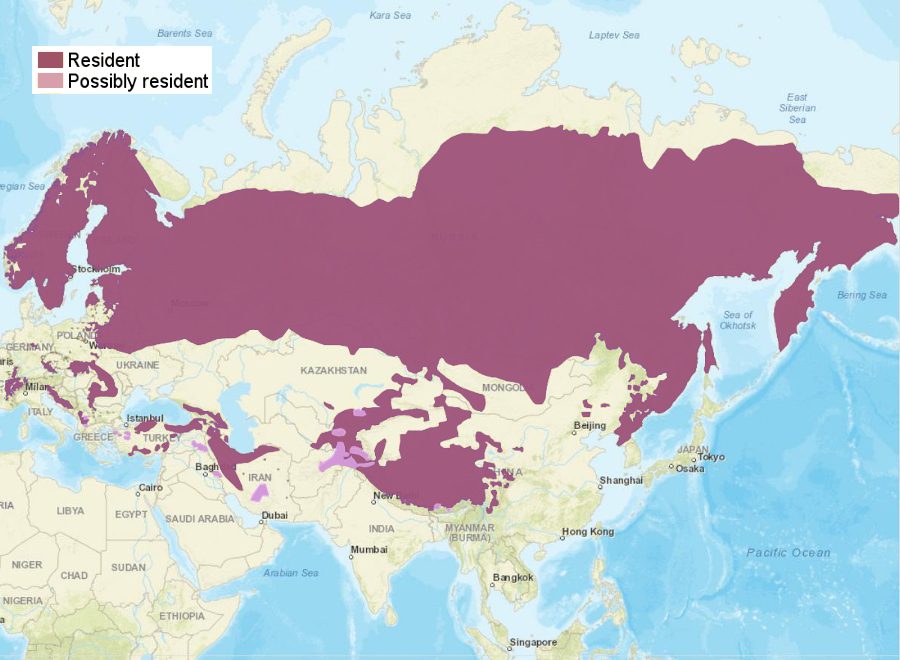 Source: Wikimedia Commons — EuropeanLynx distribution2015.jpg