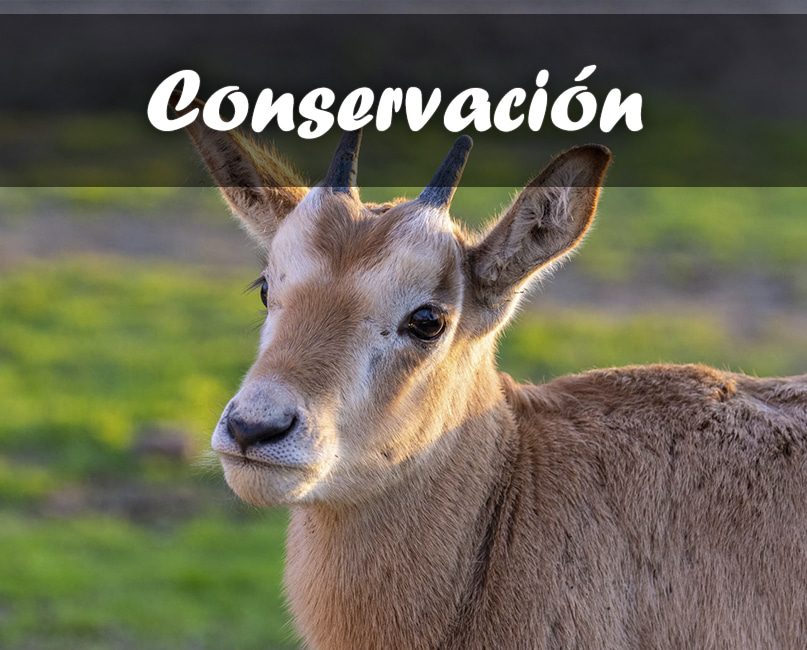
We work inside and outside the zoo to protect threatened species and their natural habitats.
Ex situ conservation is a form of biodiversity conservation carried out outside a species' natural habitat. It is an important tool for the conservation of endangered animal and plant species, as it makes it possible to establish and maintain populations of these species in controlled, protected environments.
Ex situ conservation is an important tool for biodiversity conservation, as it allows zoos, aquariums, botanical gardens and other conservation centres to maintain strong, sustainable populations of endangered species. In addition, these conservation centres can also play an important role in educating the public and raising awareness of the importance of biodiversity conservation.
We take part in the following ex situ conservation programmes (EEP / ESB / MONP / MONT / ISB):
 EEP
EEP
 ESB
ESB
 EEP
EEP
 EEP
EEP
 MONP
MONP
 MONP
MONP
 MONP
MONP
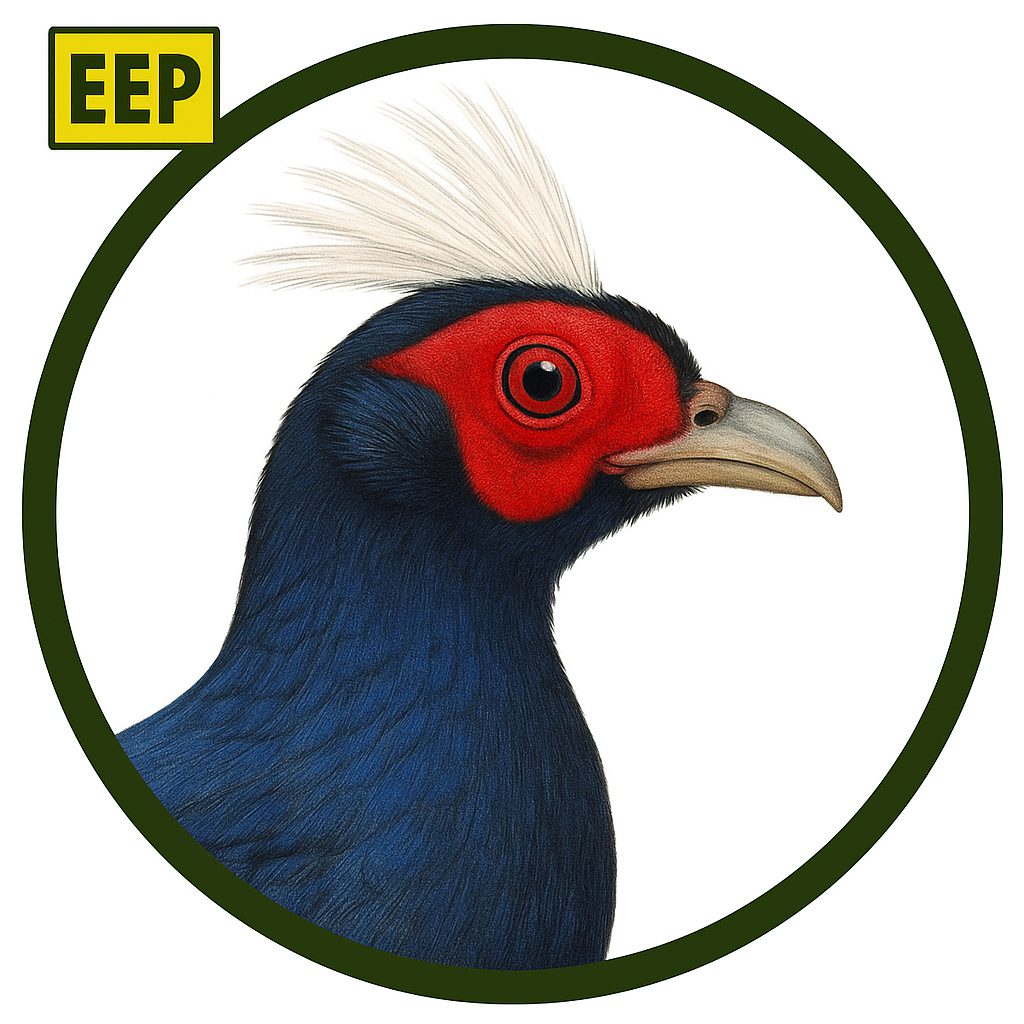 EEP
EEP
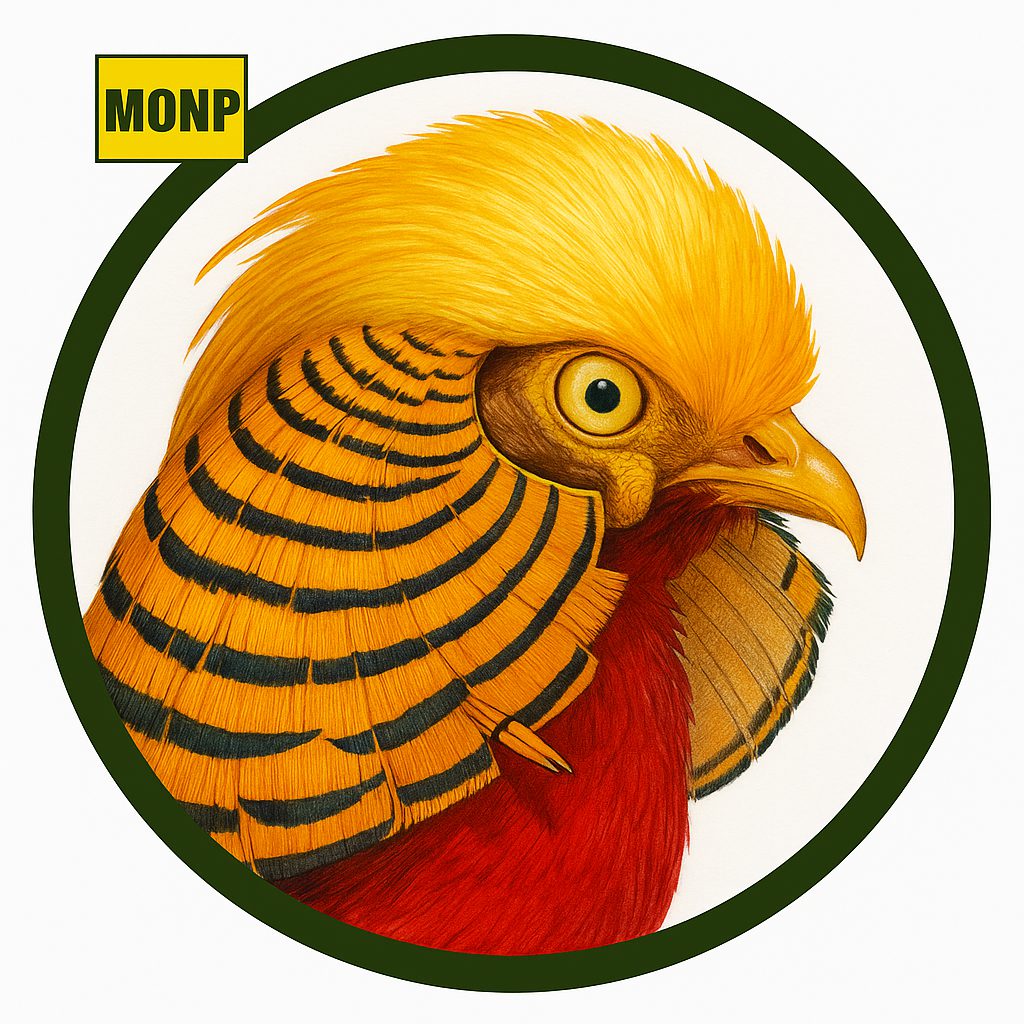 MONP
MONP
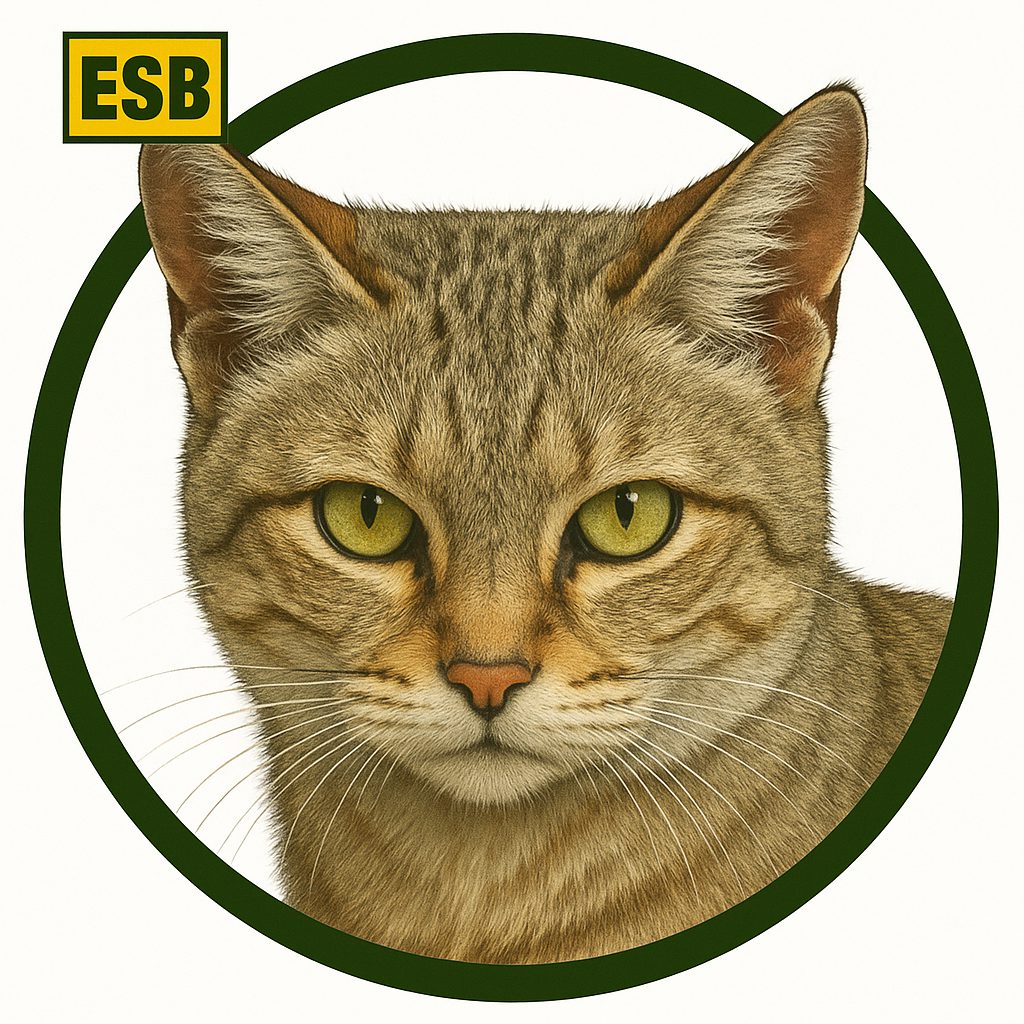 ESB
ESB
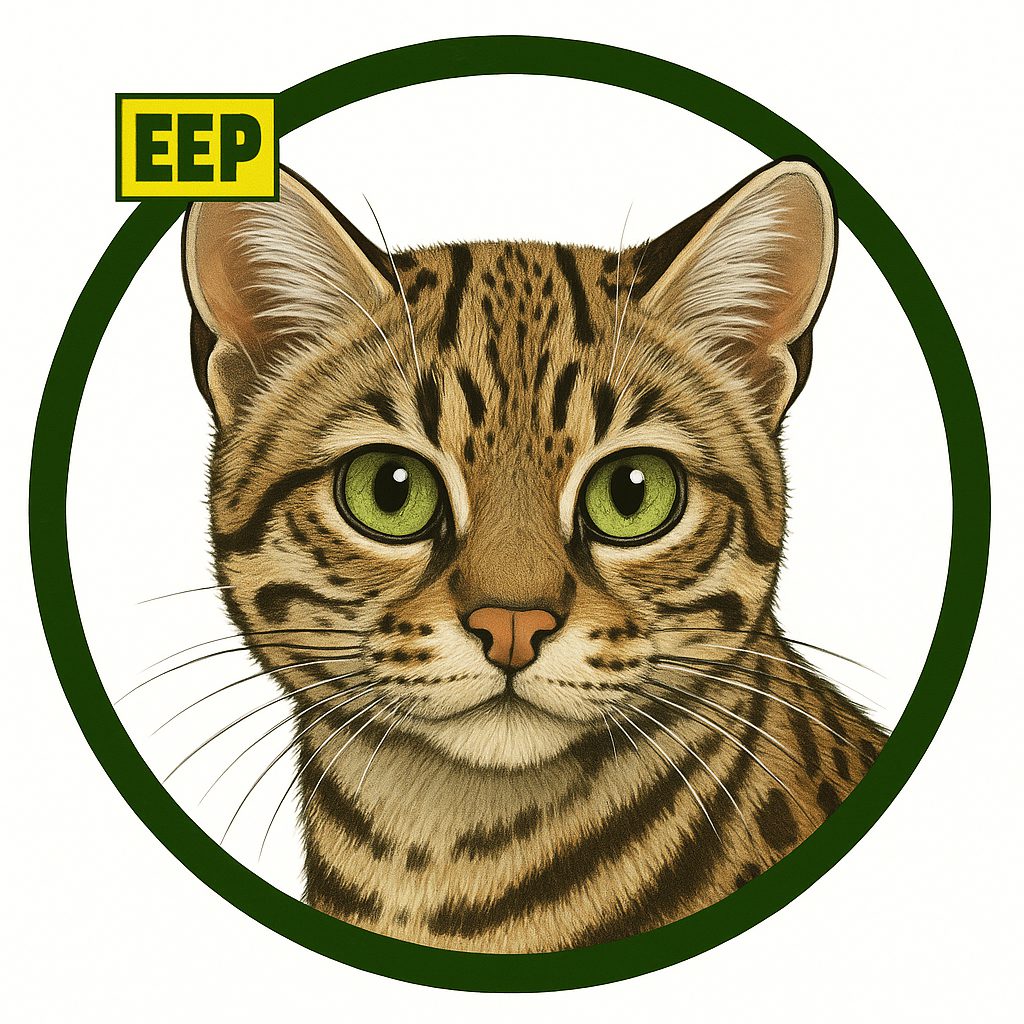 EEP
EEP
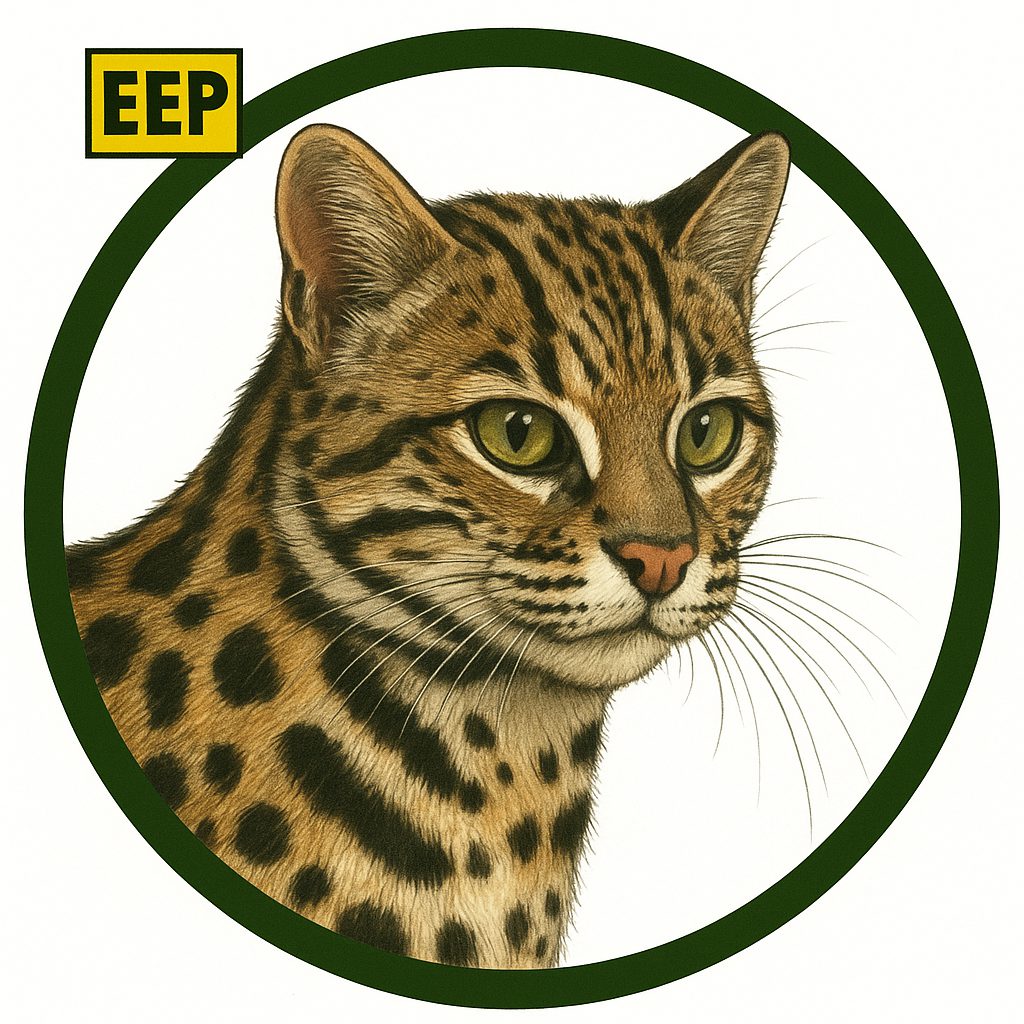 EEP
EEP
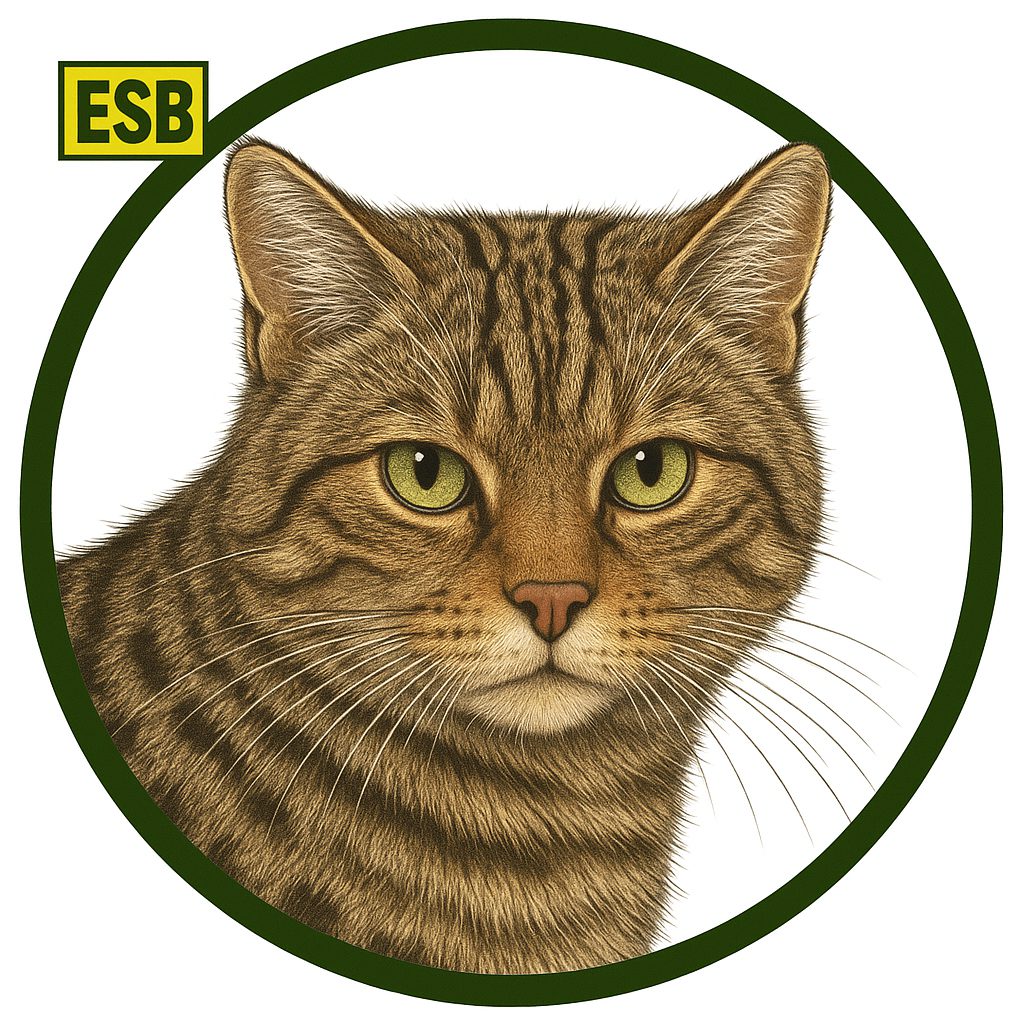 ESB
ESB
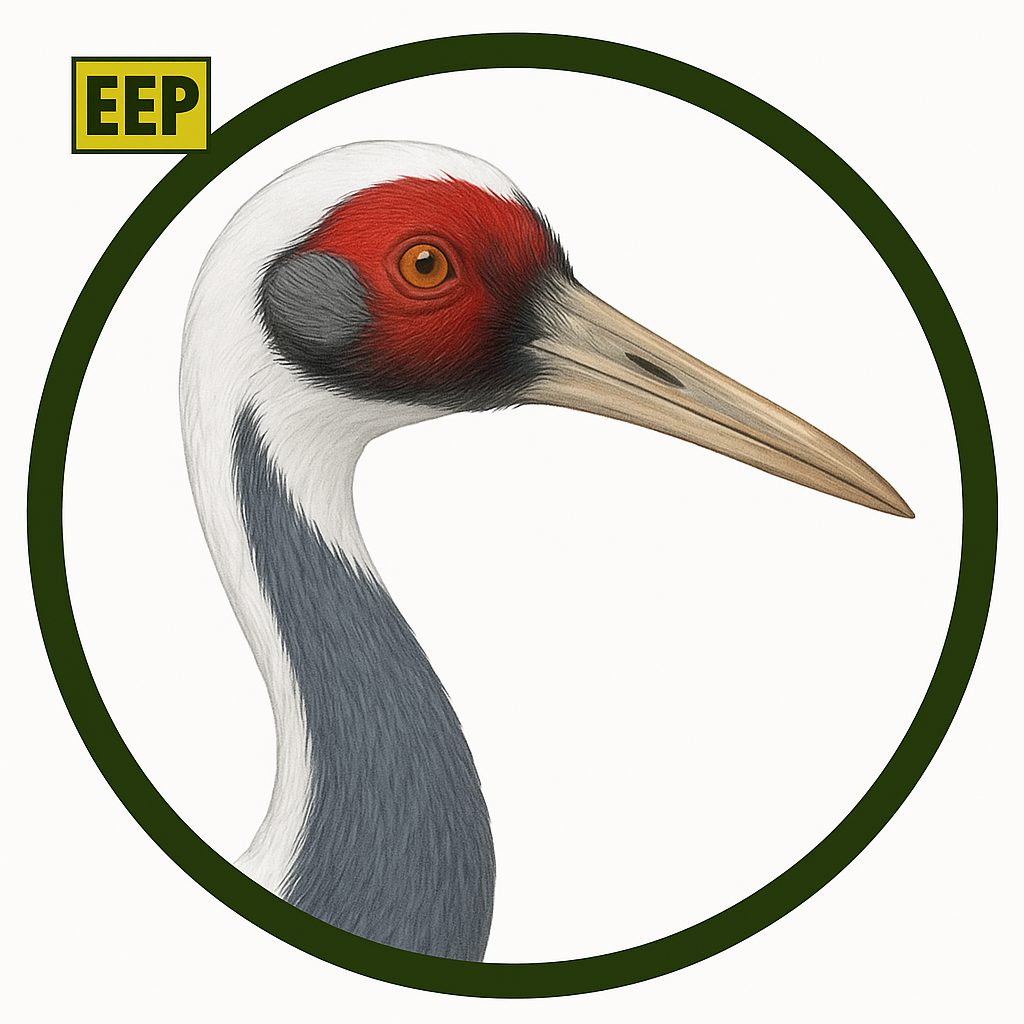 EEP
EEP
 EEP
EEP
 EEP
EEP
 EEP
EEP
 ESB
ESB
 EEP
EEP
 MONP
MONP
 ESB
ESB
 ISB
ISB
 MONT
MONT
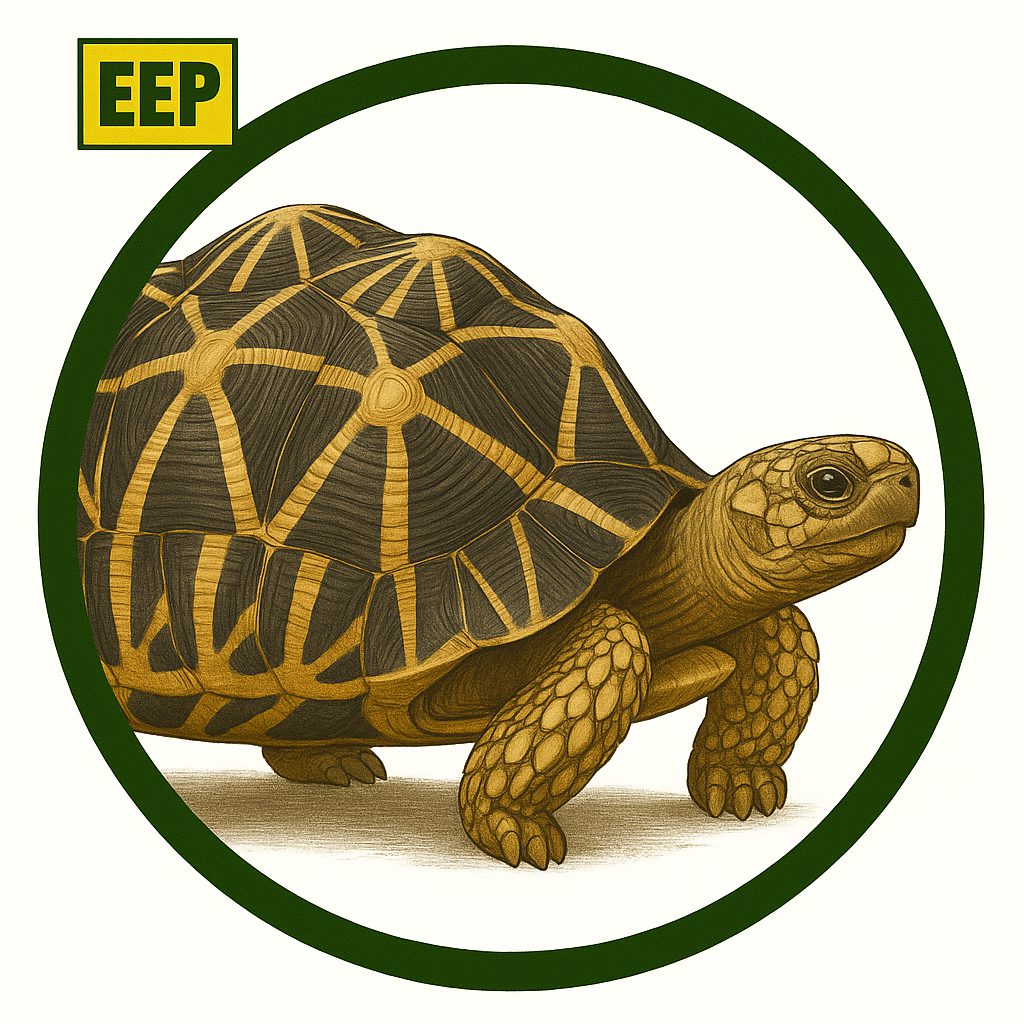 EEP
EEP
Zoos are institutions that play an important role in the conservation of endangered species, as they can use their resources to carry out captive breeding, research and education programmes that help protect species and their natural habitat. These programmes can include breeding endangered species, exchanging individuals between zoos to diversify the genes of a population, and preparing individuals for release into the wild.
In addition, zoos such as Zoo Koki also work in collaboration with conservation organisations on conservation projects. These projects can include habitat restoration, the protection of endangered species and educating the public about the importance of conservation.
Zoos are also a valuable tool for educating the public about the importance of conservation. Visitors, and children above all, can learn about species and their natural habitat, as well as the challenges they face and the ways in which they can help protect them.
At European level, the European Association of Zoos and Aquaria (EAZA) is an international organisation that focuses on biodiversity conservation and on protecting endangered animal species. To meet these goals, EAZA has developed a series of conservation programmes involving zoos and aquariums across Europe. The main ones are explained below:
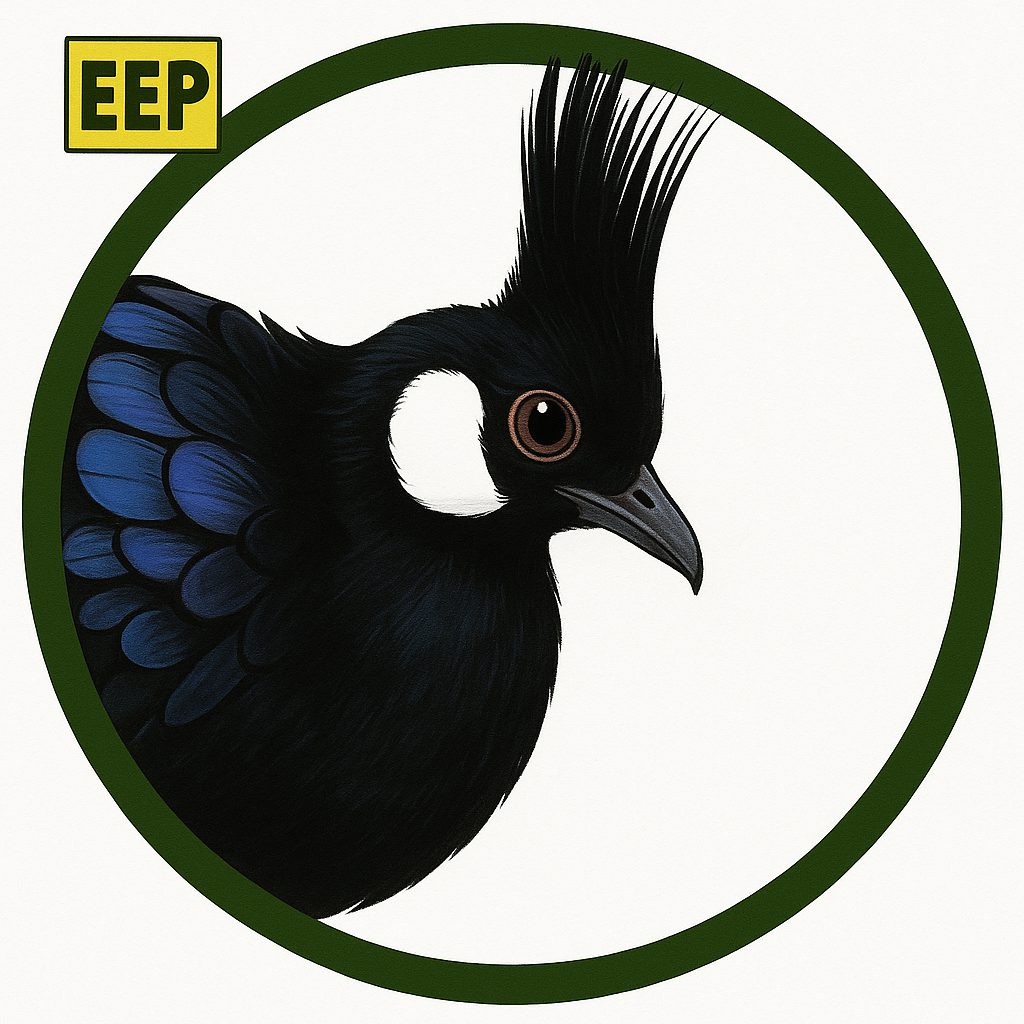
The EEP is an in situ and ex situ conservation programme of the European Association of Zoos and Aquaria (EAZA). This programme focuses on the conservation of endangered animal species by establishing and maintaining populations of these species in zoos and aquariums across Europe. The aim of the EEP is to preserve biodiversity and protect endangered animal species, thus contributing to nature conservation worldwide.
The EAZA's EEP is a very rigorous and demanding programme, which sets a series of very high rules and standards for the conservation of endangered animal species. Zoos and aquariums taking part in the EEP must meet these standards and work constantly to improve the conservation of the species in their care.
An ESB (Semi-Freedom Breeding Programme) is a conservation programme that focuses on conserving animal species by establishing and maintaining populations of these species in zoos and aquariums. It is a specialised programme centred on breeding animal species in a controlled environment close to their natural habitat, but not in full freedom, with the aim of establishing and maintaining strong, sustainable populations of endangered species.
In the case of ISBs, these are usually international conservation programmes, normally managed by the AZA (Association of Zoos and Aquariums).
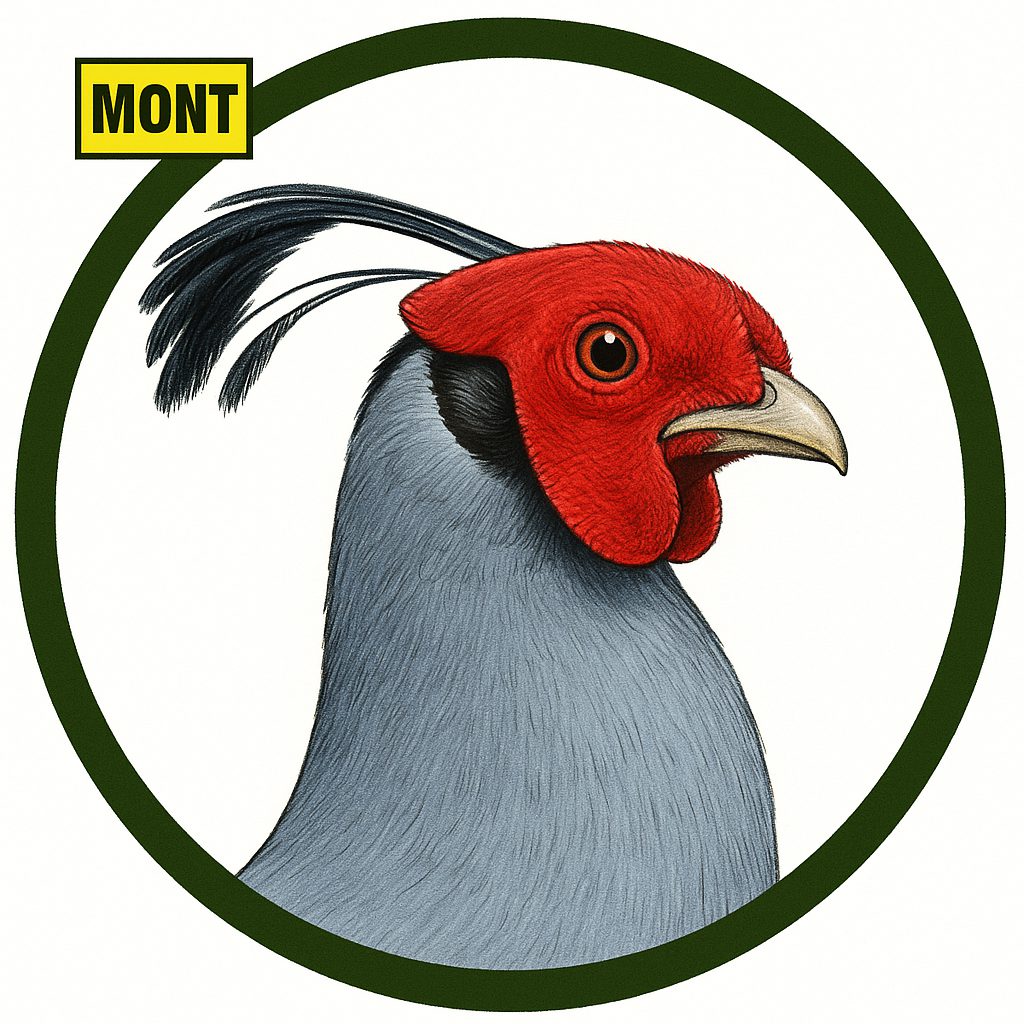
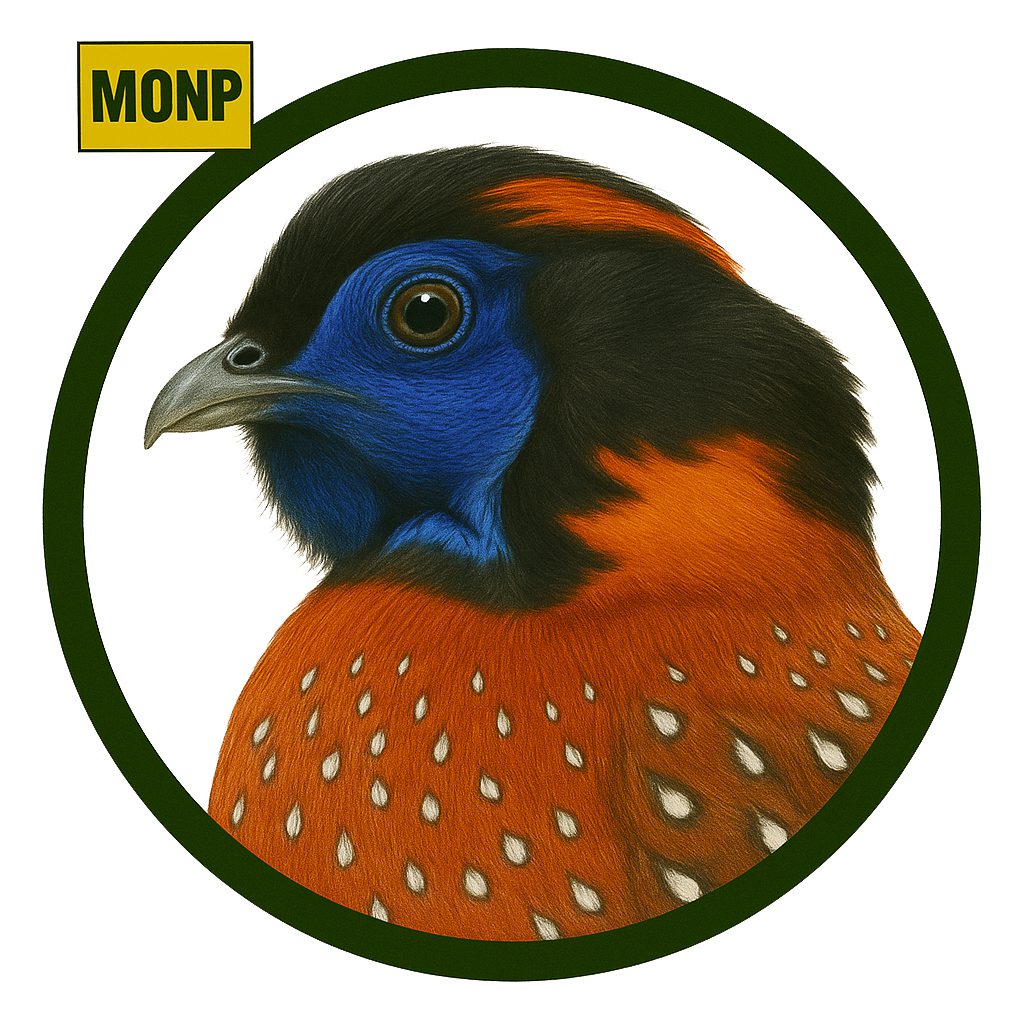
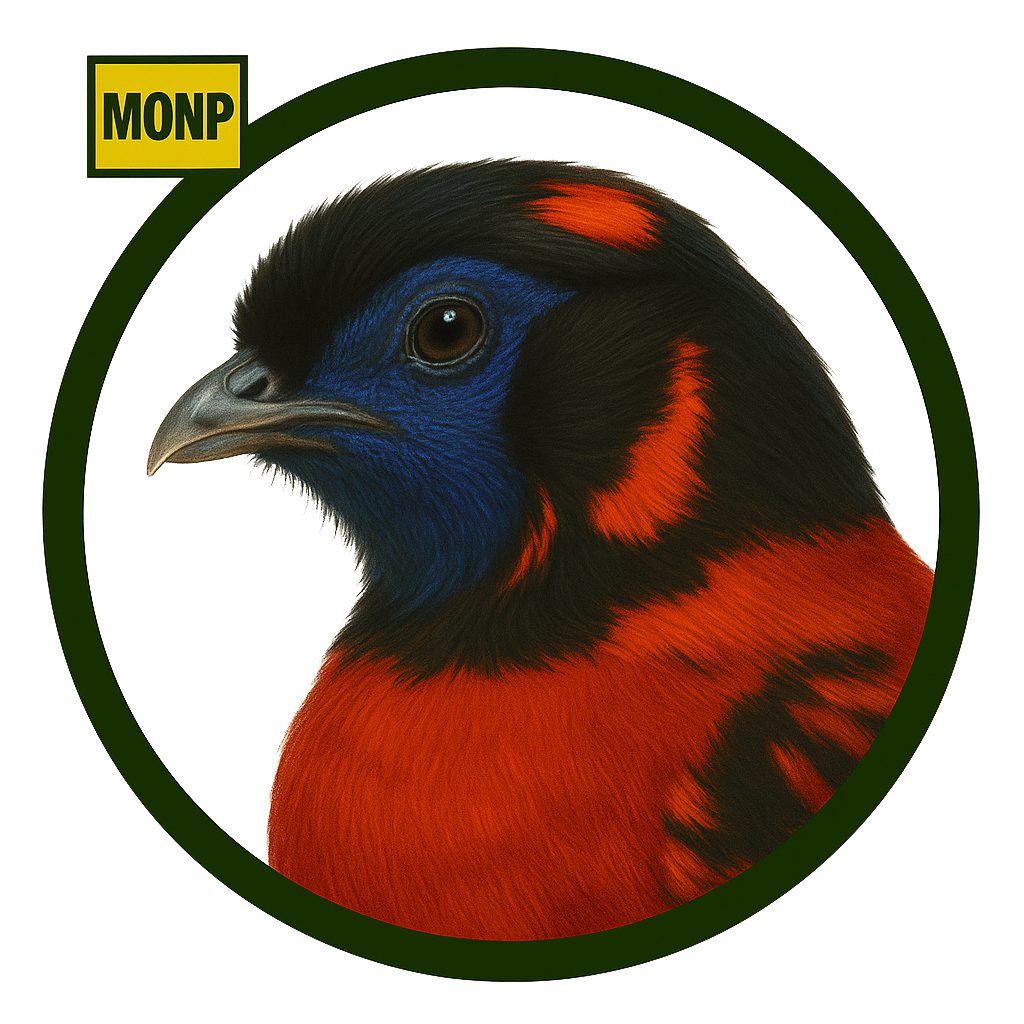
In MON-P, species are subject to population monitoring in captivity through personal monitoring. MON-T is a monitoring programme overseen by the TAG (Taxon Advisory Group). The new structure of the EAZA Ex situ Programme was developed so that TAGs, when producing Regional Collection Plans (RCPs), can assess more accurately which conservation roles are appropriate, and so that Long-Term Management Plans (LTMPs) better define the genetic and demographic goals of each group of species. Under this model, the zoo manages the Golden pheasant breeding programme. If you wish, you can consult the Programme protocol.
In our commitment to preserving and protecting our precious planet, we actively take part in a range of initiatives that seek to have a positive impact on the environment and on global awareness.
Vietnamazing