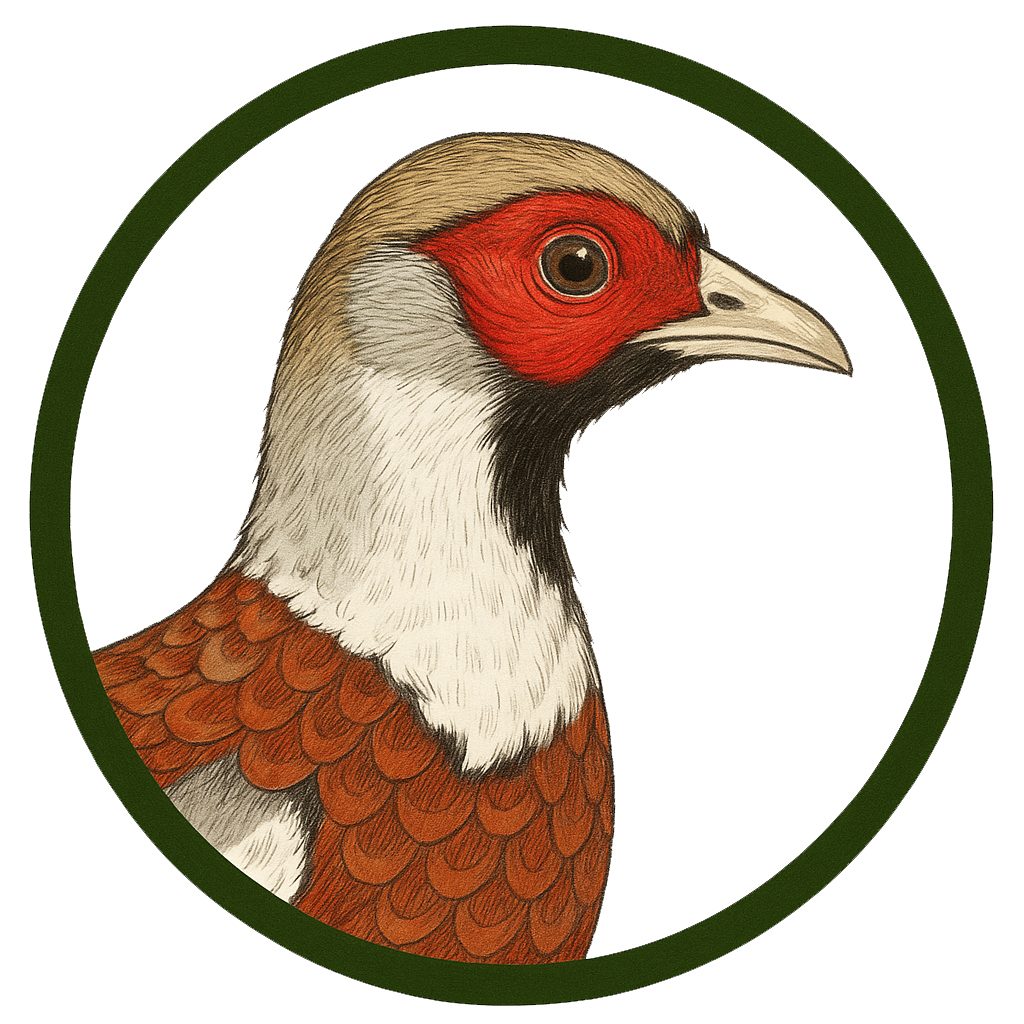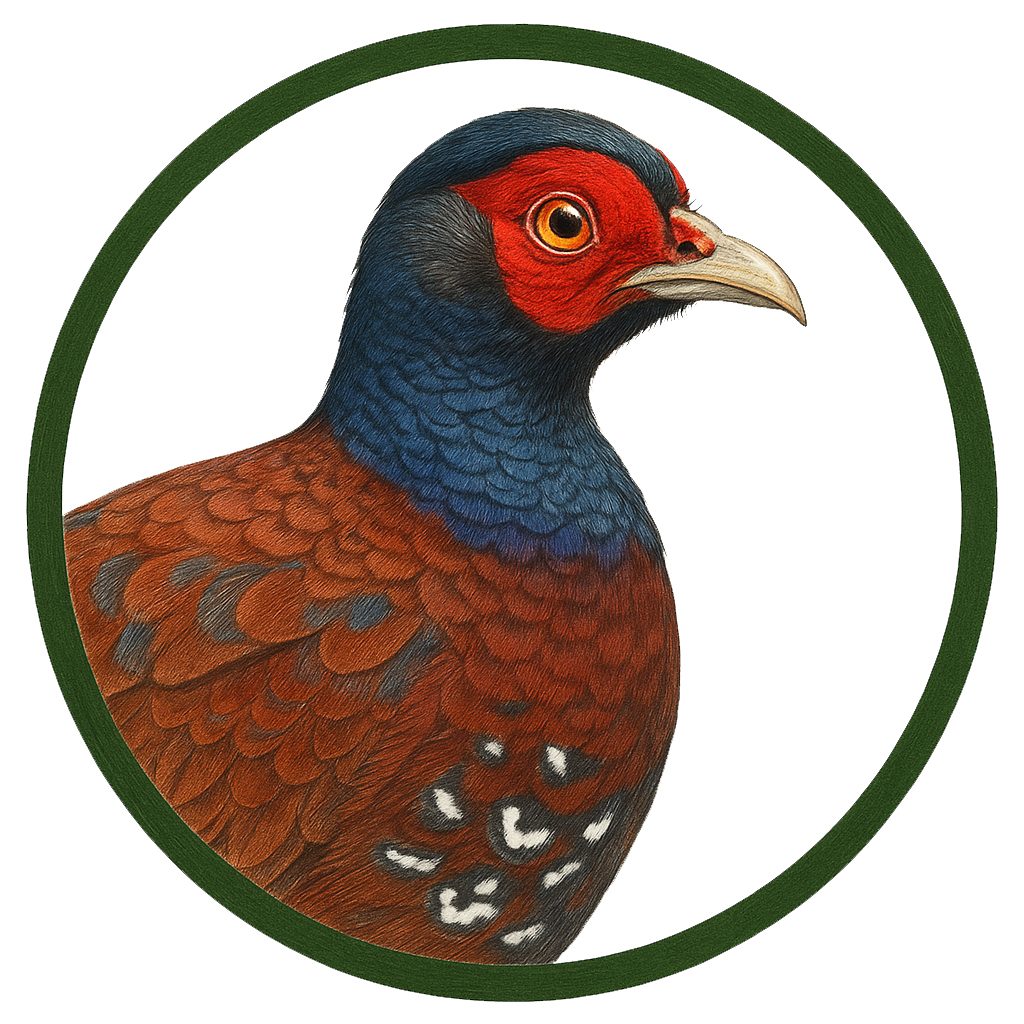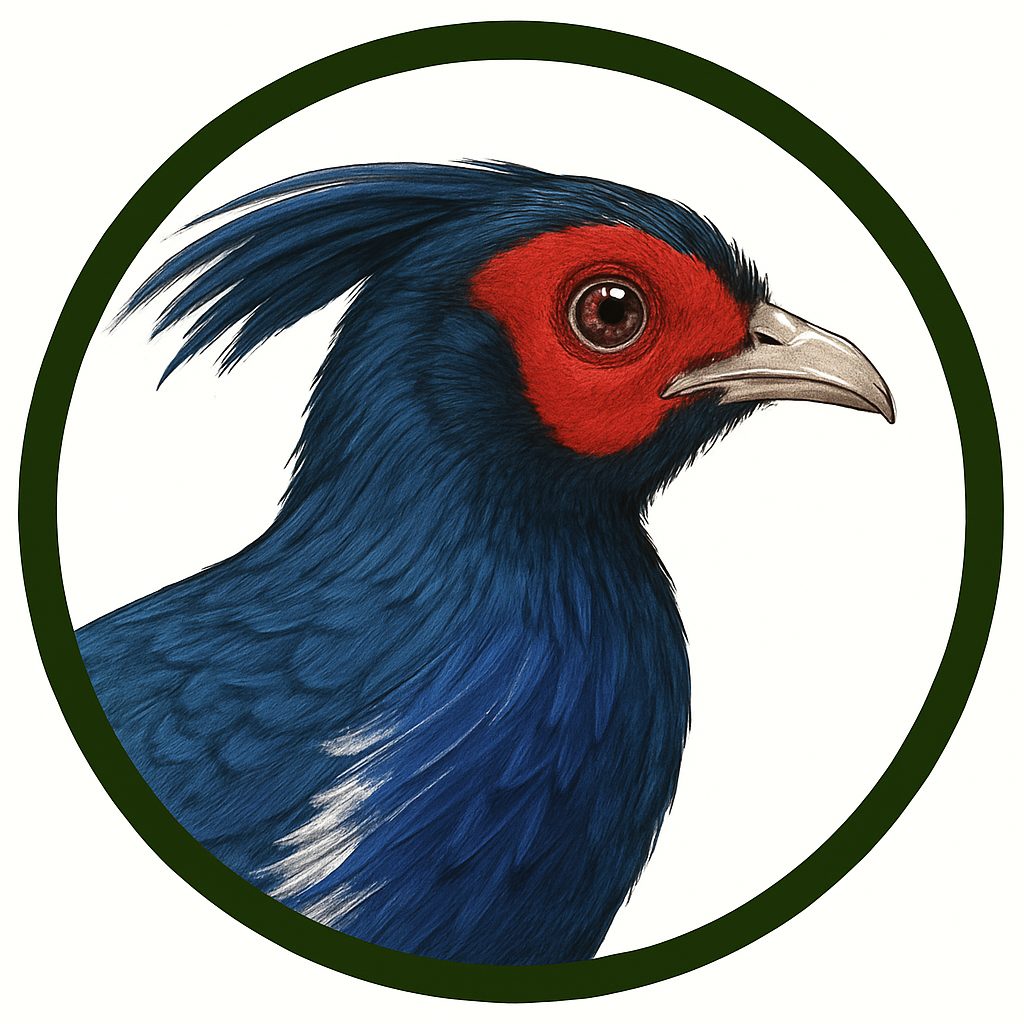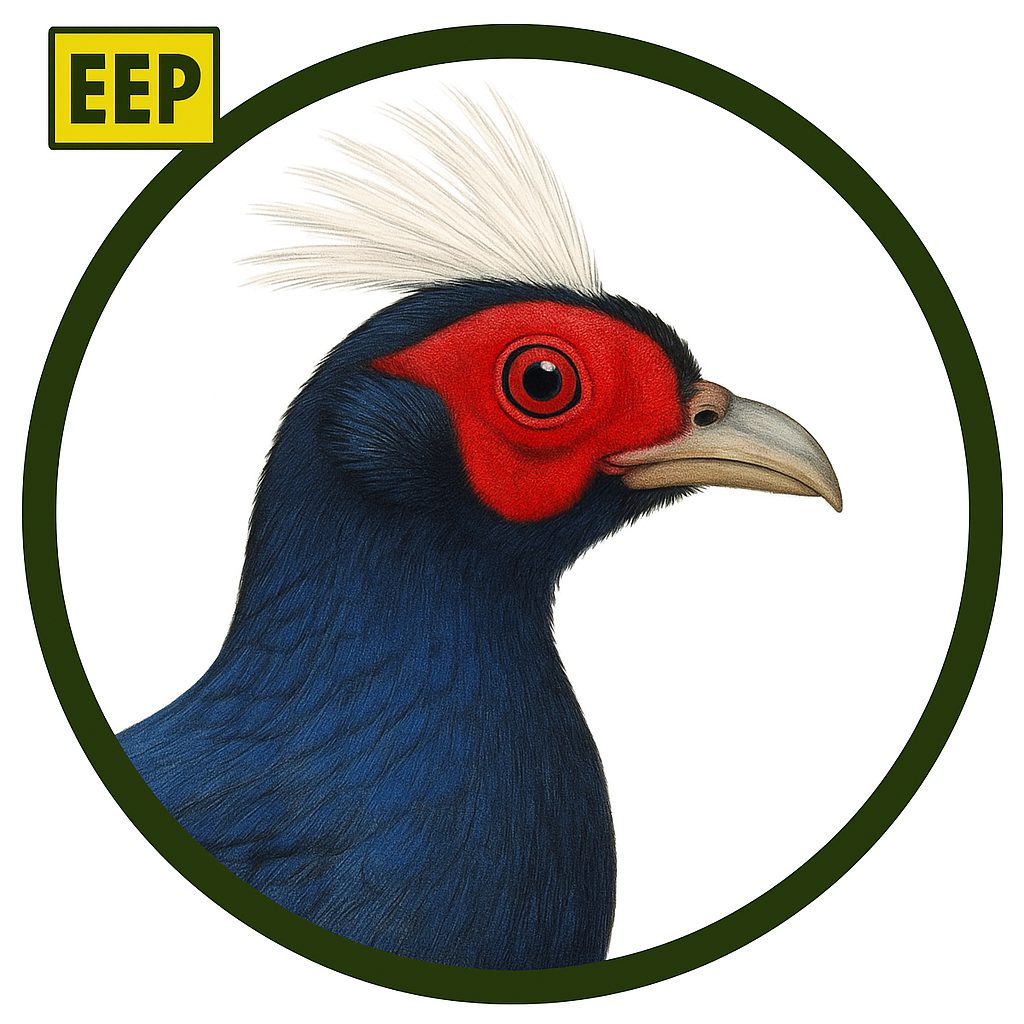
Bird · Lophura edwardsi
It is a species endemic to the forests of certain areas of Vietnam.
Nothing is known about its feeding habits in the wild.
In captivity it feeds on seeds, fruit, vegetables, small worms and larvae. A good feed should be provided as a supplement.
The courtship display is very simple and consists of inflating the bare skin of the face and rapidly beating the wings. They reach adulthood in their second year of life.
The female lays 4–6 eggs (45×36 mm), which are incubated for 23–24 days. If they are removed after 20 days she will lay a new clutch. Ideal incubation would be at 37.6?C and 50–55% humidity.
This species has been in a critical situation since 2014
Current surveys, including those by the WPA, have found no clear evidence of wild individuals for more than a decade. However, around 1,000 pure individuals remain in captivity in zoological parks and WPA members, so the studbooks (ESB and EEP) are asked to look after birds of known ancestry and to make use of DNA work, as it helps to steer the breeding programme successfully.
These are some of the conservation campaigns in which this species takes part: