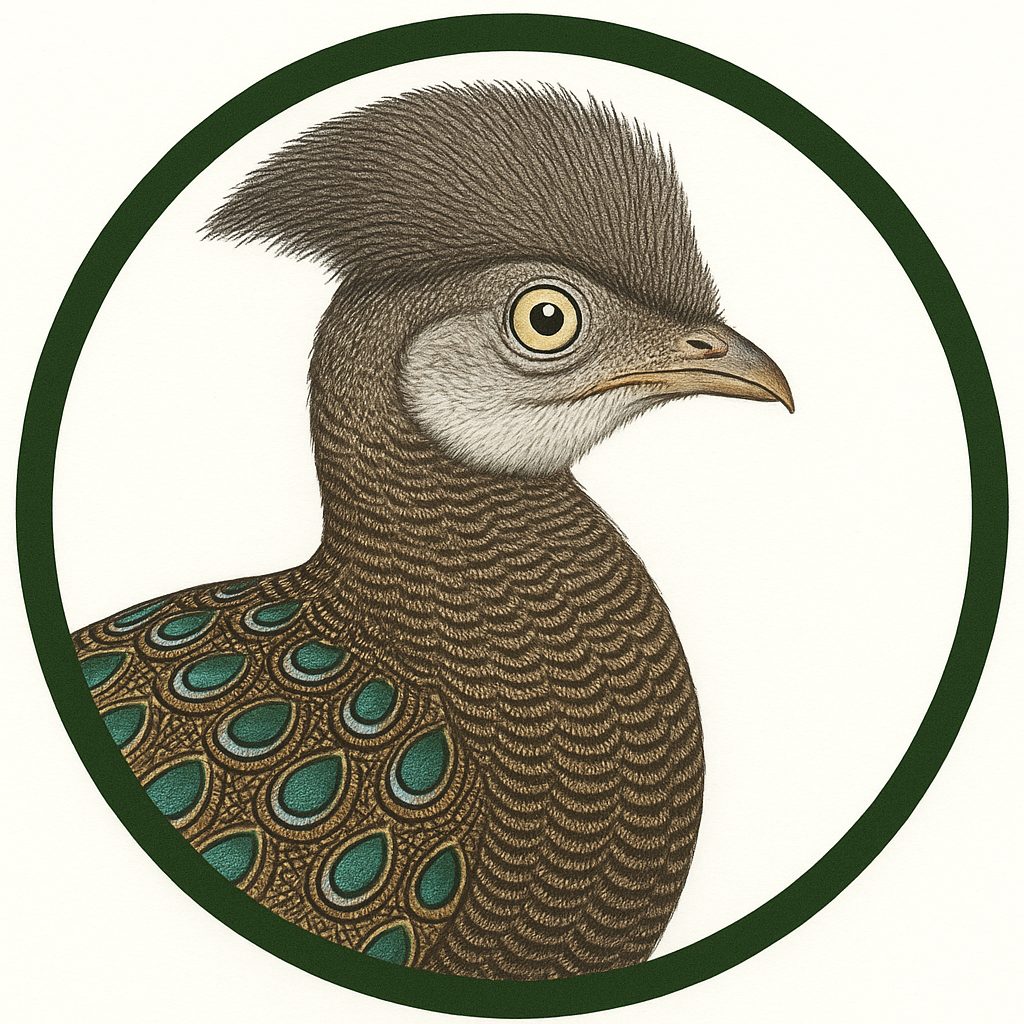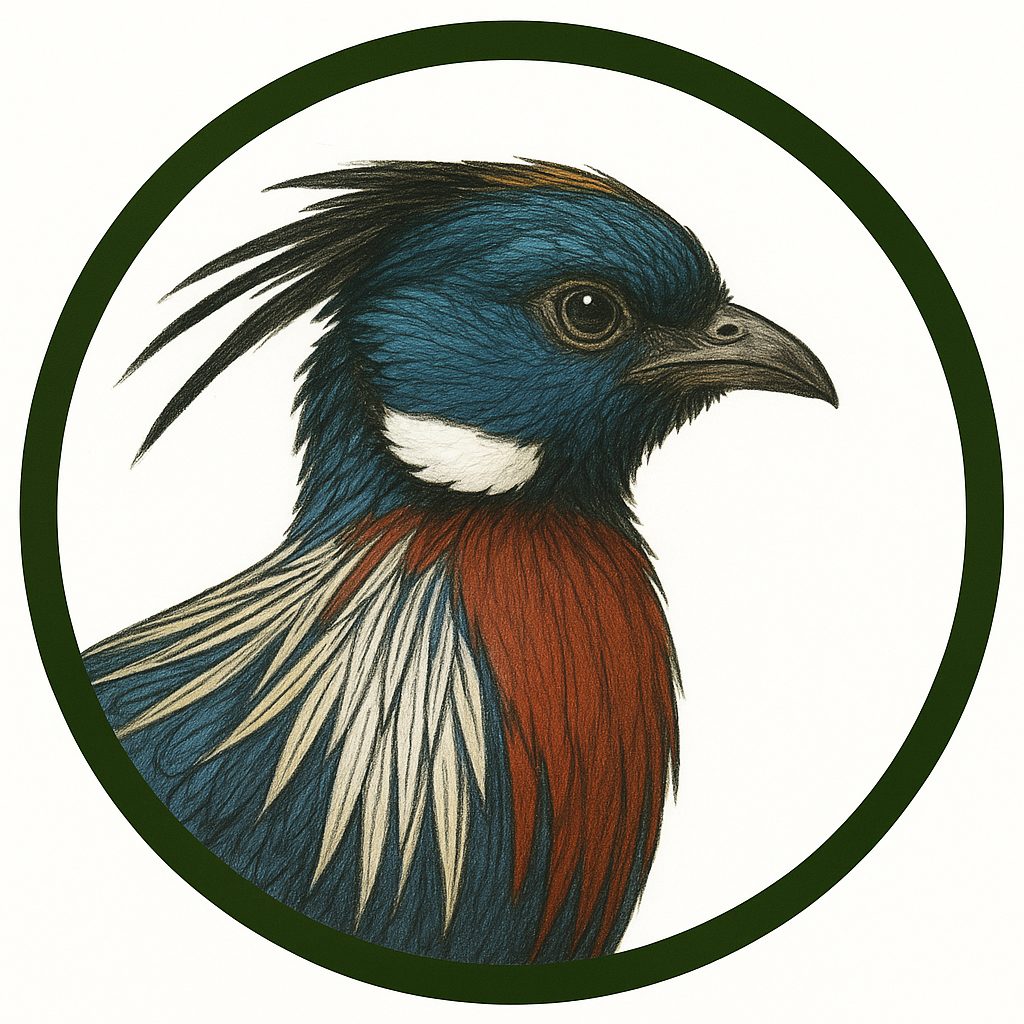
The kalij pheasant (Lophura leucomelanos) is a bird of the family Phasianidae with marked sexual dimorphism.
| Kingdom | Animalia |
| Phylum | Chordata |
| Class | Aves |
| Order | Galliformes |
| Family | Phasianidae |
| Genus | Lophura |
| Species | Lophura leucomelanos |
The kalij pheasant (Lophura leucomelanos) is a bird of the family Phasianidae with marked sexual dimorphism. The males, 63 to 74 cm long, have bluish-black plumage with a metallic sheen, bare red facial skin and greyish legs (a feature that distinguishes it from the silver pheasant, which has red legs); the females, 50 to 60 cm, are brown and more discreet. There are up to nine subspecies with considerable variation in plumage, including the Nepalese form to which the birds presented here belong.
It is found in the forests and scrubland of the Himalayan foothills, from Pakistan to western Thailand, across Nepal, Sikkim, Bhutan, India and Burma. It is generally common and widespread in these montane habitats.
It is omnivorous and forages on the forest floor for seeds, acorns, figs and fallen fruit, tender shoots and roots, as well as insects, termites, snails and even small reptiles.
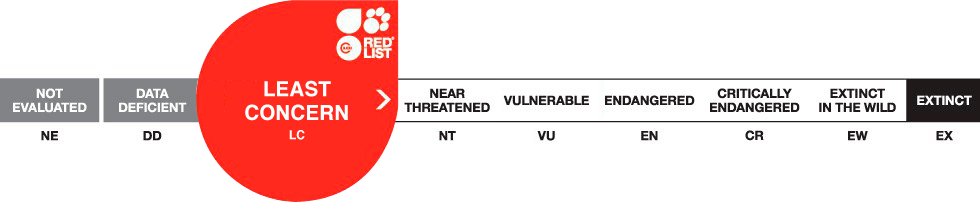
Like other forest pheasants, it nests on the ground and its chicks develop precociously. Three of its eastern subspecies are considered threatened, which reflects considerable variation in conservation status from region to region, even though the species as a whole is classed as Least Concern.
The kalij pheasant can be told apart at a glance from the very similar silver pheasant by the colour of its legs: greyish in the kalij, red in the silver. Introduced to Hawaii, it has formed stable feral populations there outside its natural range.