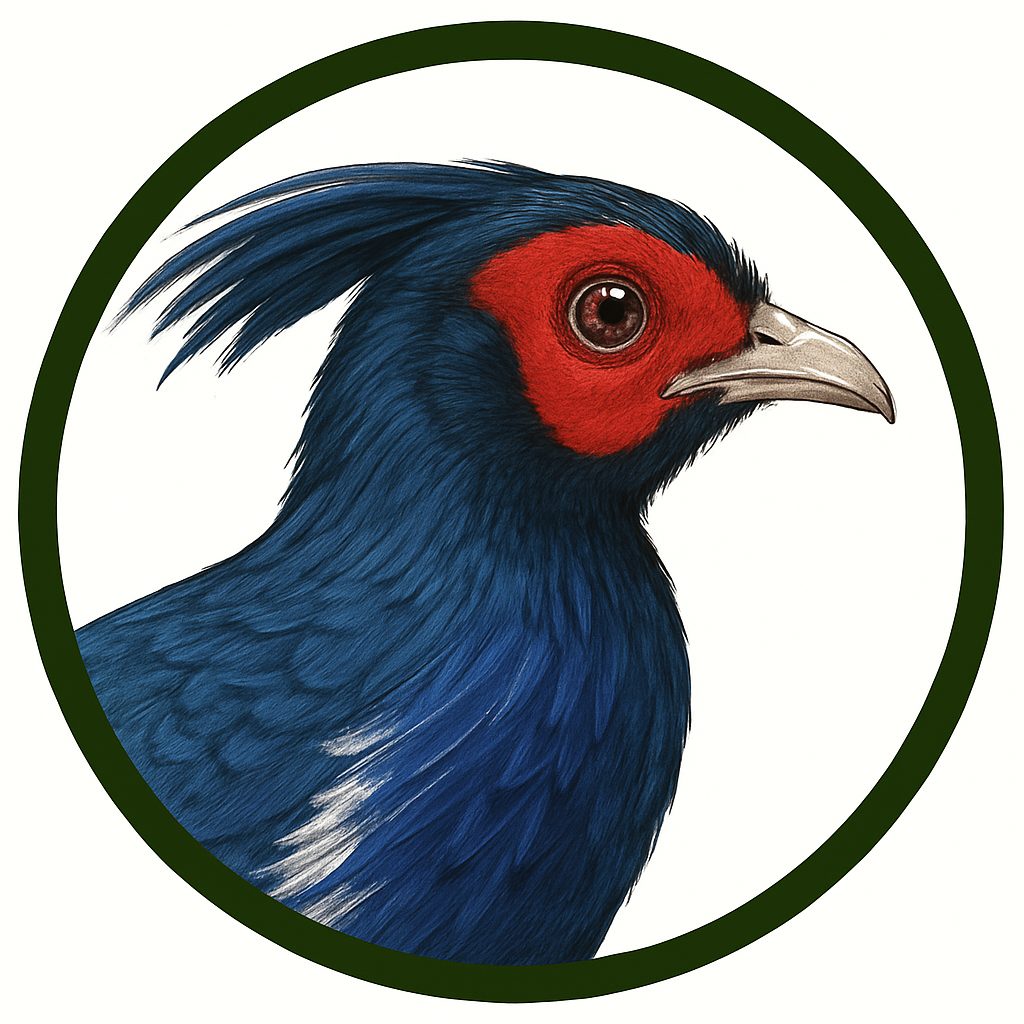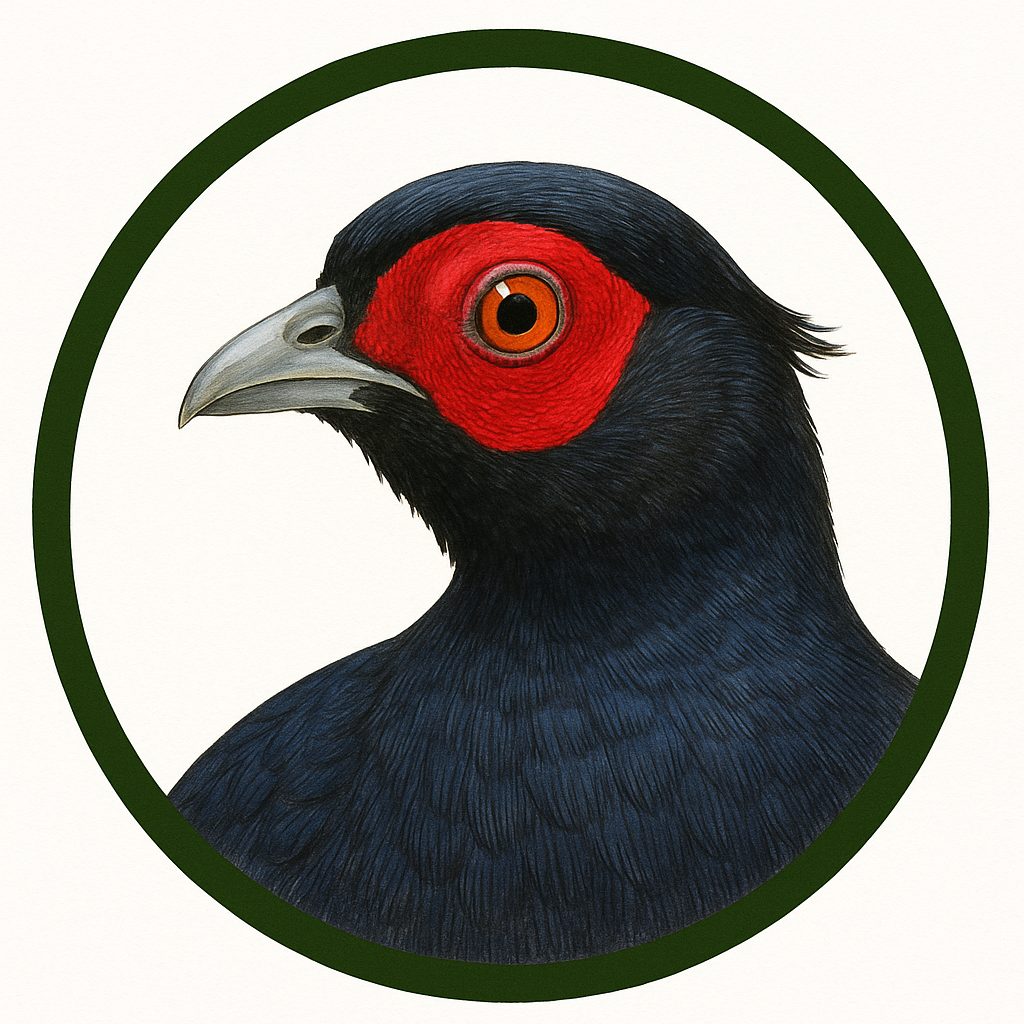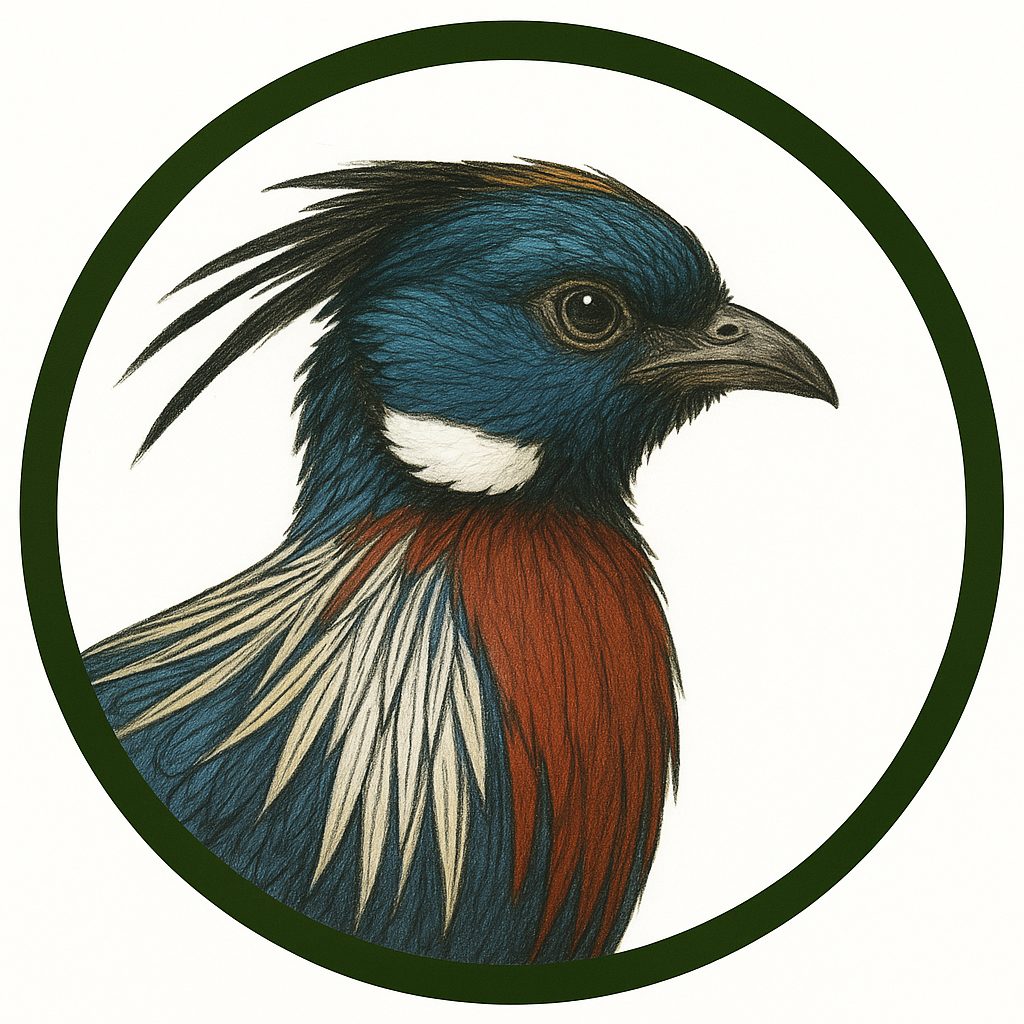
The Koklass pheasant (Pucrasia macrolopha) is the only species in the monotypic genus Pucrasia, within the family Phasianidae.
| Kingdom | Animalia |
| Phylum | Chordata |
| Class | Aves |
| Order | Galliformes |
| Family | Phasianidae |
| Genus | Pucrasia |
| Species | Pucrasia macrolopha |
The Koklass pheasant (Pucrasia macrolopha) is the only species in the monotypic genus Pucrasia, within the family Phasianidae. The male, 58 to 64 cm long and weighing 1.1 to 1.4 kg, has silvery-grey plumage streaked with velvety black, a dark head with a metallic sheen, a chestnut breast and a white patch on each side of the neck; both sexes have a characteristic tuft (crest) and elongated tail, although the female is a much more discreet brown.
It is found on the wooded slopes of the Himalayas and adjacent mountain regions of central and southern Asia: India, Kashmir, China, Mongolia, Afghanistan and Nepal. Ten subspecies are recognised across this extensive geographical range.
Outside the breeding season it feeds mostly on plant matter —pine nuts, pine shoots, bamboo shoots and seeds—, but in spring and while rearing its chicks it becomes markedly insectivorous, feeding almost exclusively on ants, as well as catkins, pollen and fruit.
Like other mountain pheasants, it nests on the forest floor. No specific, verified data are available on clutch size or incubation period for this species.
Being the only species in its genus does not make it any less variable: its ten subspecies show notable differences in colouring along the Himalayan arc, from Afghanistan to central China, a reflection of long-term geographical isolation in the various mountain valleys.