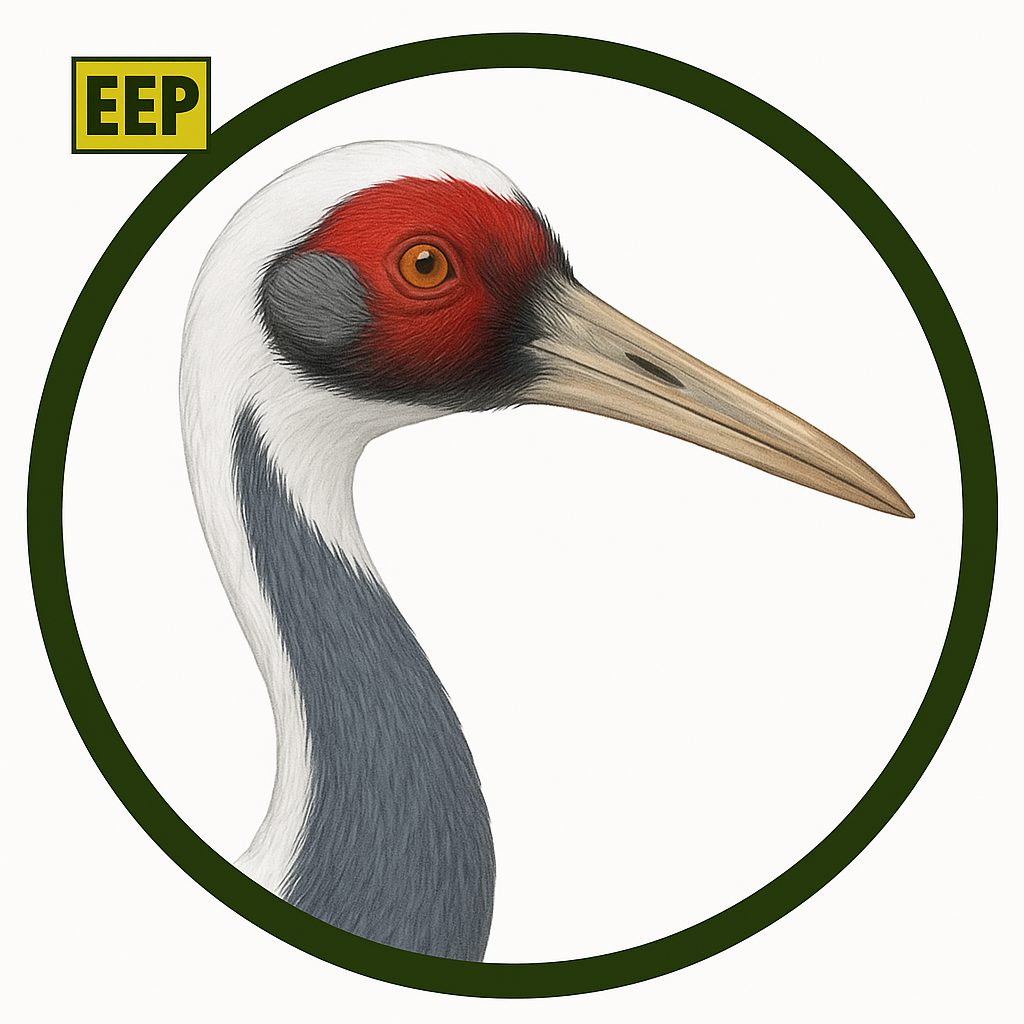
The white-naped crane measures between 112 and 125 cm in length and about 130 cm in height, with a weight of around 5.6 kg. The plumage of its body is mainly grey, fading to white on the wings.
| Kingdom | Animalia |
| Phylum | Chordata |
| Class | Aves |
| Order | Gruiformes |
| Family | Gruidae |
| Genus | Antigone |
| Species | Antigone vipio |
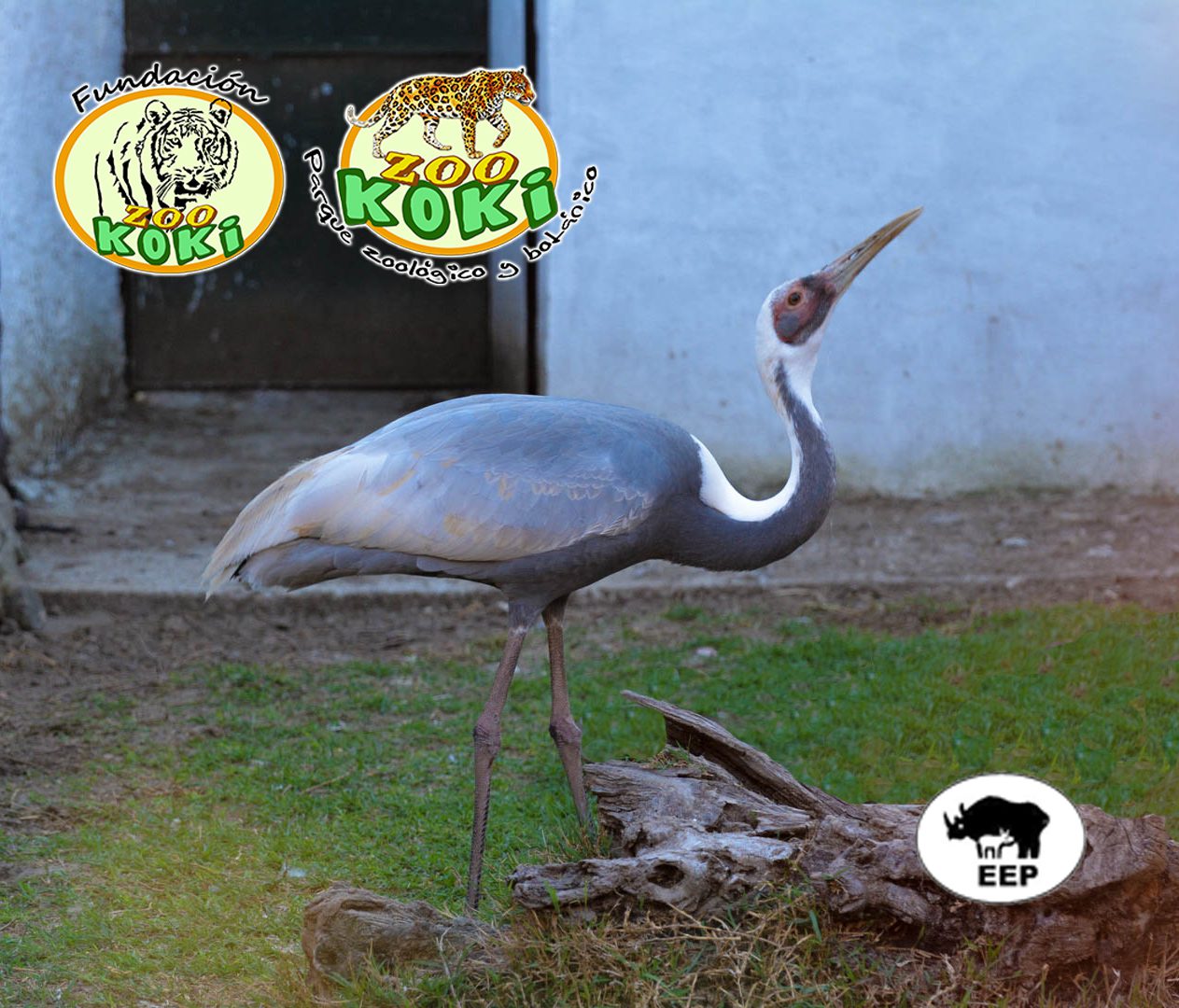
The white-naped crane measures between 112 and 125 cm in length and about 130 cm in height, with a weight of around 5.6 kg. The plumage of its body is mainly grey, fading to white on the wings. It has a long white stripe running along the whole back of the neck, including the crown and the start of the back. It also has an inverted white triangle on the throat, which frames the blackish plumage of the face that surrounds a red patch of bare skin around the eyes. Its long legs are also reddish.
The white-naped crane breeds in north-eastern Mongolia, north-eastern China and the adjacent areas of the far south-eastern corner of Russia. The different populations migrate south to spend the winter around the Yangtze River, the Korean peninsula and the island of Kyūshū in southern Japan. Some vagrants reach as far as Kazakhstan and Taiwan.
It feeds mainly on insects, seeds, roots, other plant matter and small animals.
It breeds in spring, laying eggs from April to late May. The nest is a mound of dry sedges and grasses in open wetlands. Normally two eggs.
This crane is classified as Vulnerable because it is believed to be undergoing a rapid and continuing population decline. Currently, its western subpopulation is undergoing a rapid decline, while the eastern subpopulation is suffering a rapid loss of habitat, with critical wintering habitat in the Korean Demilitarized Zone and in other highly insecure and deteriorating places.

We take part in the breeding programme: EEP (since 2019)