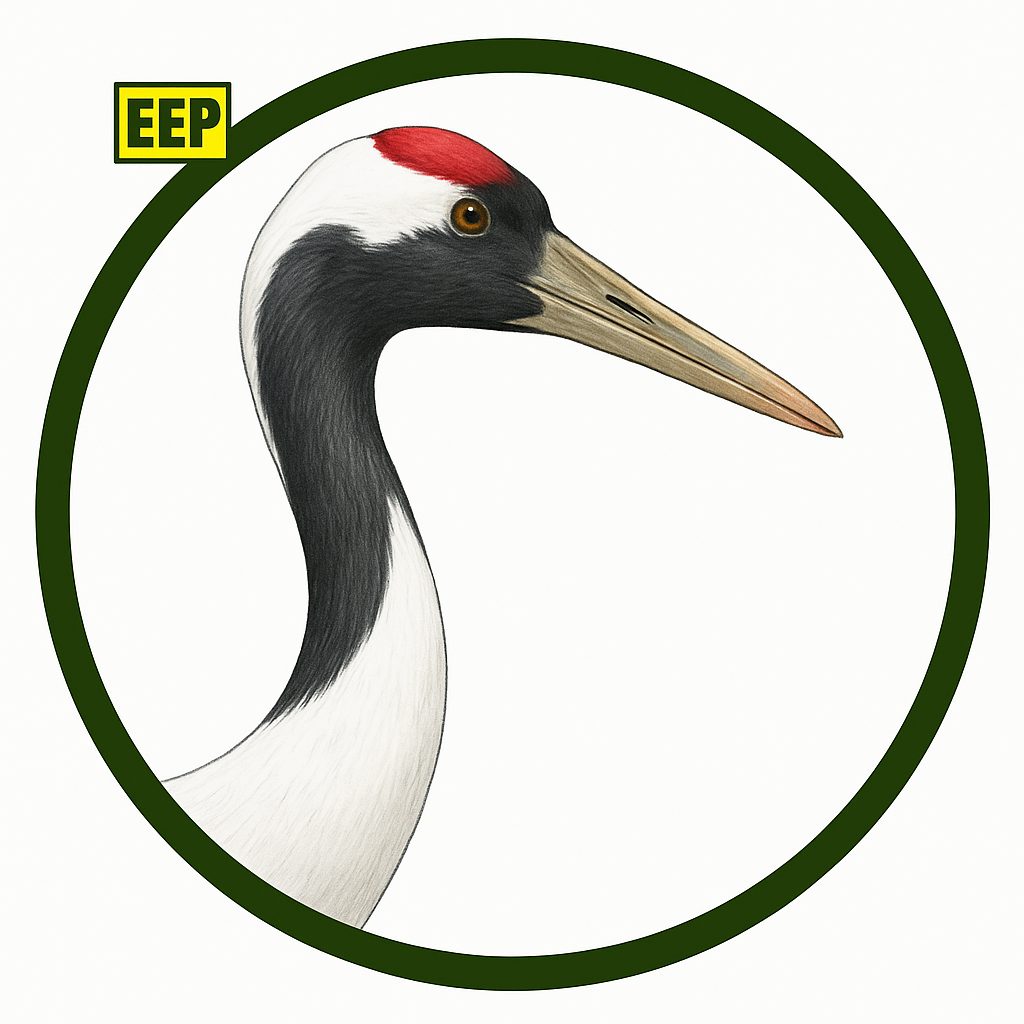
The Manchurian crane ( Grus japonensis ), also called the red-crowned crane (Traditional Chinese: 丹頂鶴; Simplified Chinese: 丹顶鹤; pinyin: dāndǐng hè ; Japanese: 丹頂鶴 or タンチョウヅル; the Chinese character ‘丹’ means ‘red’, ‘頂/顶’ means ‘crown’ and ‘鶴/鹤’…
| Kingdom | Animalia |
| Phylum | Chordata |
| Class | Aves |
| Order | Gruiformes |
| Family | Gruidae |
| Genus | Antigone |
| Species | Grus japonensis |
The Manchurian crane (Grus japonensis), also called the red-crowned crane (Traditional Chinese: 丹頂鶴; Simplified Chinese: 丹顶鹤; pinyin: dāndǐng hè; Japanese: 丹頂鶴 or タンチョウヅル; the Chinese character ‘丹’ means ‘red’, ‘頂/顶’ means ‘crown’ and ‘鶴/鹤’ means ‘crane’) is a gruiform bird species in the family Gruidae. Of all the crane species, this rare and beautiful bird is among the tallest. No subspecies are known. In some places it is considered a symbol of luck, fidelity and longevity.
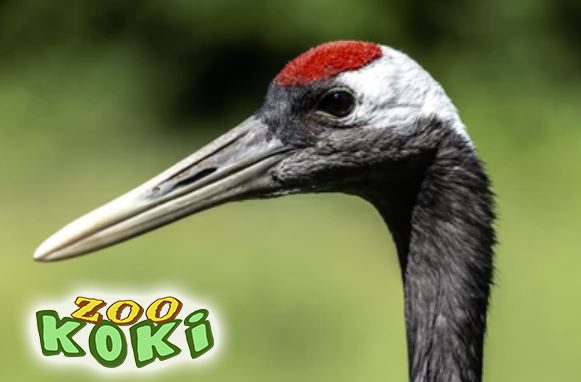
It lives in grasslands and high valleys with marshy areas, where its height is a natural advantage, allowing it to spot danger from a safe distance.
It walks with slow strides, stopping to peck at food, which can be relatively small. Mice, frogs and large insects, as well as seeds, buds and leaves, make up its diet.
Pairs bond for life, and their bond seems to be strengthened by mutual displays. When displaying, they stand side by side with their heads raised, giving loud calls like trumpeting. They then perform a wild dance, very different from their usual placid behaviour. As they dance, they bob their heads up and down, raise and flap their wings and make ungainly leaps. Sometimes they pick up sticks or pull up tufts of grass and toss them into the air. Although each pair usually lays two eggs, one of the chicks tends to die at an early age. The survivor usually stays close to its parents, who feed it small insects. Young birds migrate with their parents and stay with them until the following season.
Its average lifespan is between 50 and 60 years, which is why it has earned the nickname “Immortal Crane”.
The estimated population is 2,750 individuals in the wild. In China they are Class A animals, under state protection.

We take part in the breeding programme: EEP (since 2021)
We are members of the Red-crowned Crane (Grus japonensis) EEP committee