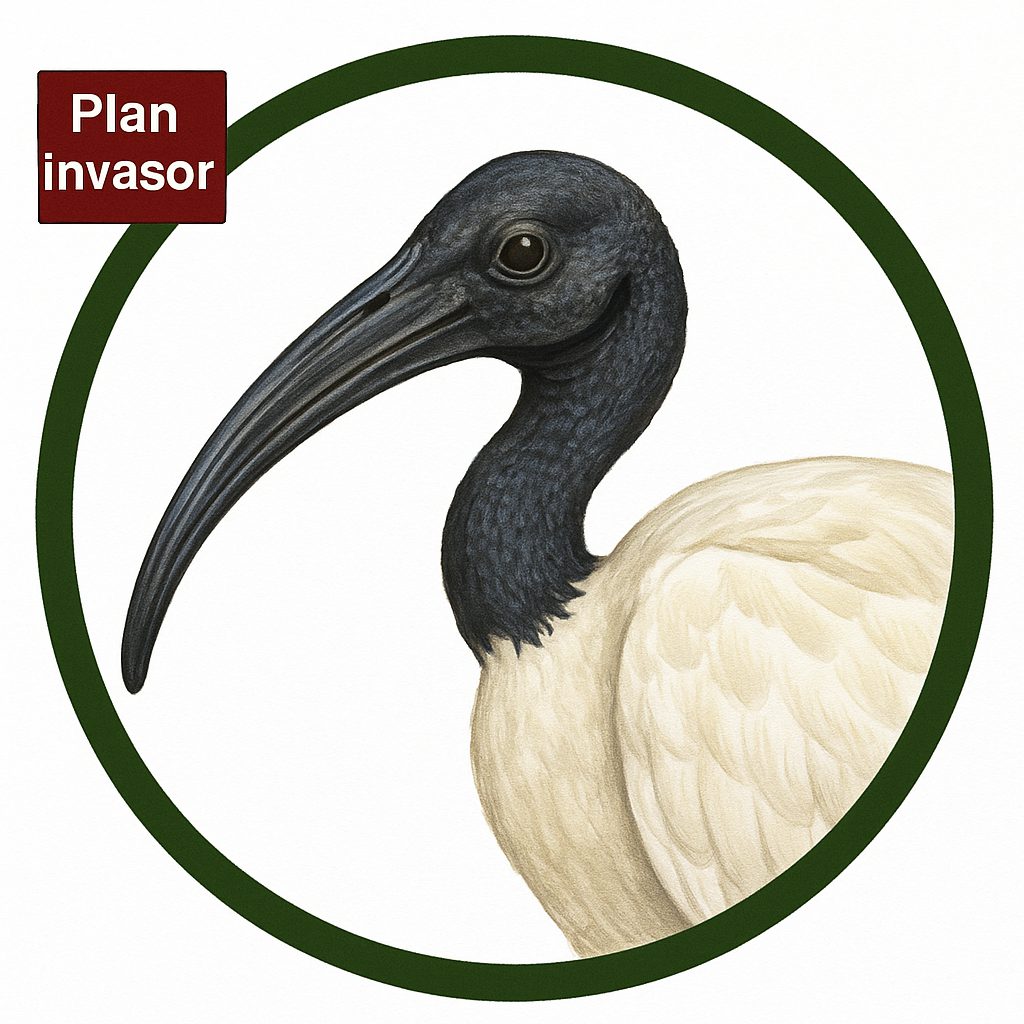
The sacred ibis ( Threskiornis aethiopicus ) is a pelecaniform bird species in the family Threskiornithidae, found in parts of Africa and Asia.
| Kingdom | Animalia |
| Phylum | Chordata |
| Class | Aves |
| Order | Pelecaniformes |
| Family | Threskiornithidae |
| Genus | Threskiornis |
| Species | Threskiornis aethiopicus |
The sacred ibis (Threskiornis aethiopicus) is a pelecaniform bird species in the family Threskiornithidae, found in parts of Africa and Asia. Three subspecies are known: Threskiornis aethiopicus abbotti (Ridgway, 1893), Threskiornis aethiopicus aethiopicus (Latham, 1790) and Threskiornis aethiopicus bernieri (Bonaparte, 1855).
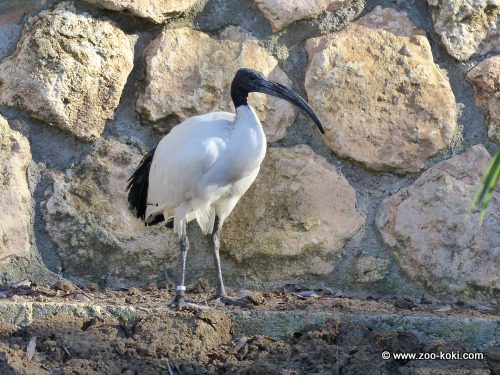
It is a white-plumaged bird with a bare black head and neck, and a long, downward-curved bill that it uses to probe mud and shallow water for food.
Its natural range covers sub-Saharan Africa, Madagascar, southern Iraq and the island of Aldabra. As an introduced species, it has also become established in some parts of western Europe, with settled populations in France, the Netherlands and Italy, and it has reached Spain from escapes or releases from captivity, with breeding attempts recorded in areas such as Doñana National Park.
It is a carnivorous, opportunistic bird that feeds on fish, molluscs, earthworms, amphibians, insects, small reptiles, the eggs of other birds and even carrion.
It nests in colonies, in trees, bushes or directly on the ground near water, often alongside other waterbirds. Outside its natural range, sporadic breeding by feral populations has been recorded in Europe, which concerns managers of natural areas because of possible competition with native species for breeding sites.
In Ancient Egypt, the sacred ibis was revered as the embodiment of the god Thoth and was mummified in large numbers as a religious offering; today, outside its native African range, it is considered an invasive species that has caused serious damage to heron and tern colonies in some European countries.
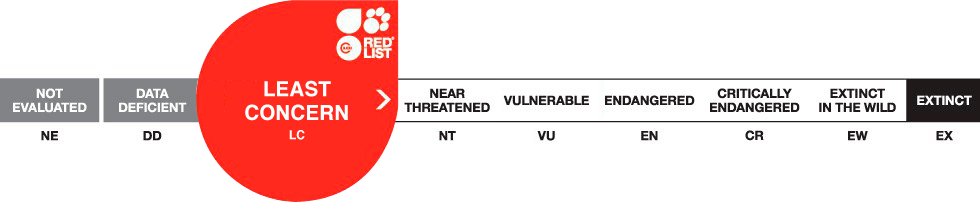
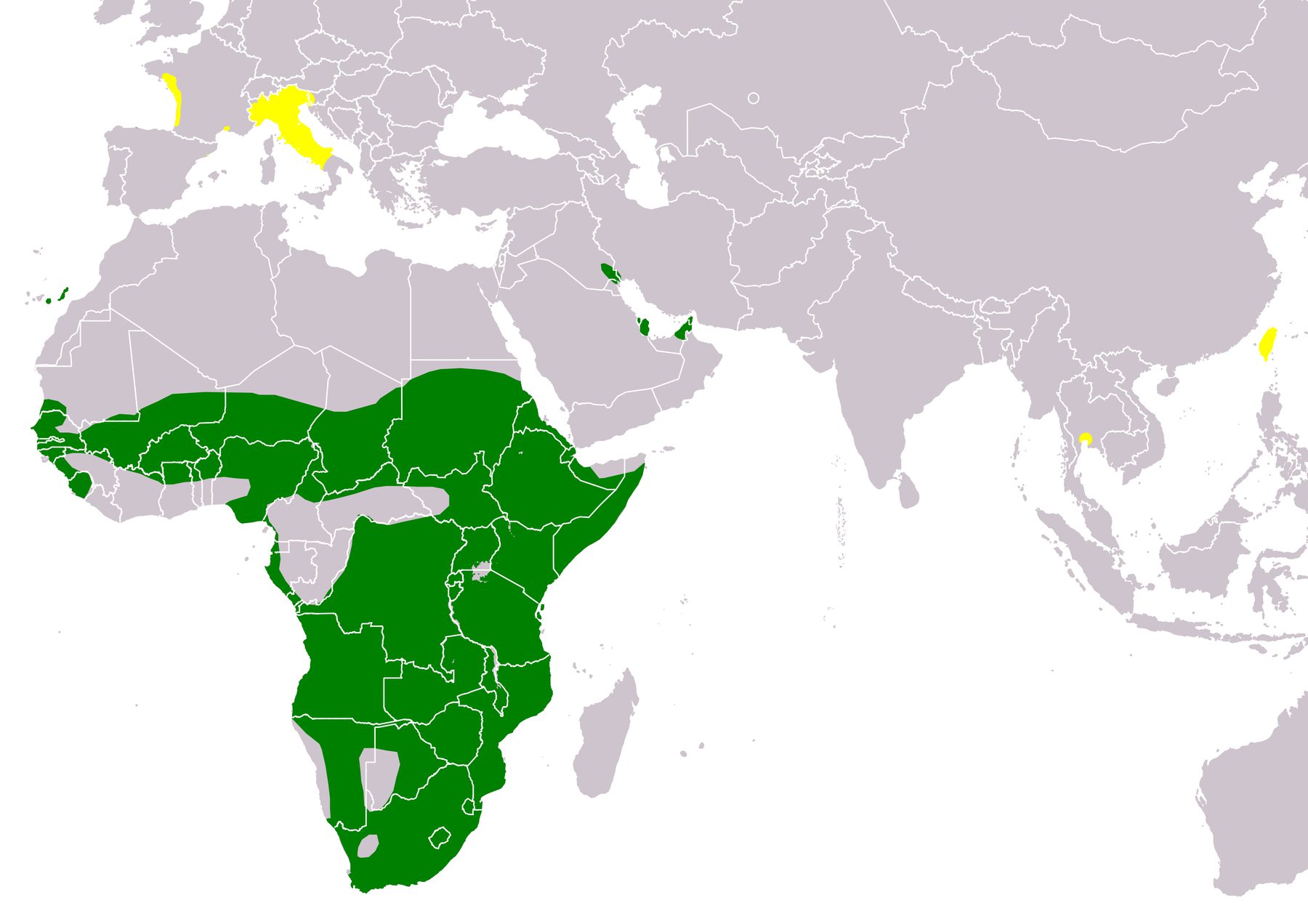 Source: Wikimedia Commons — ThreskiornisAethiopicusIUCNver2024.png