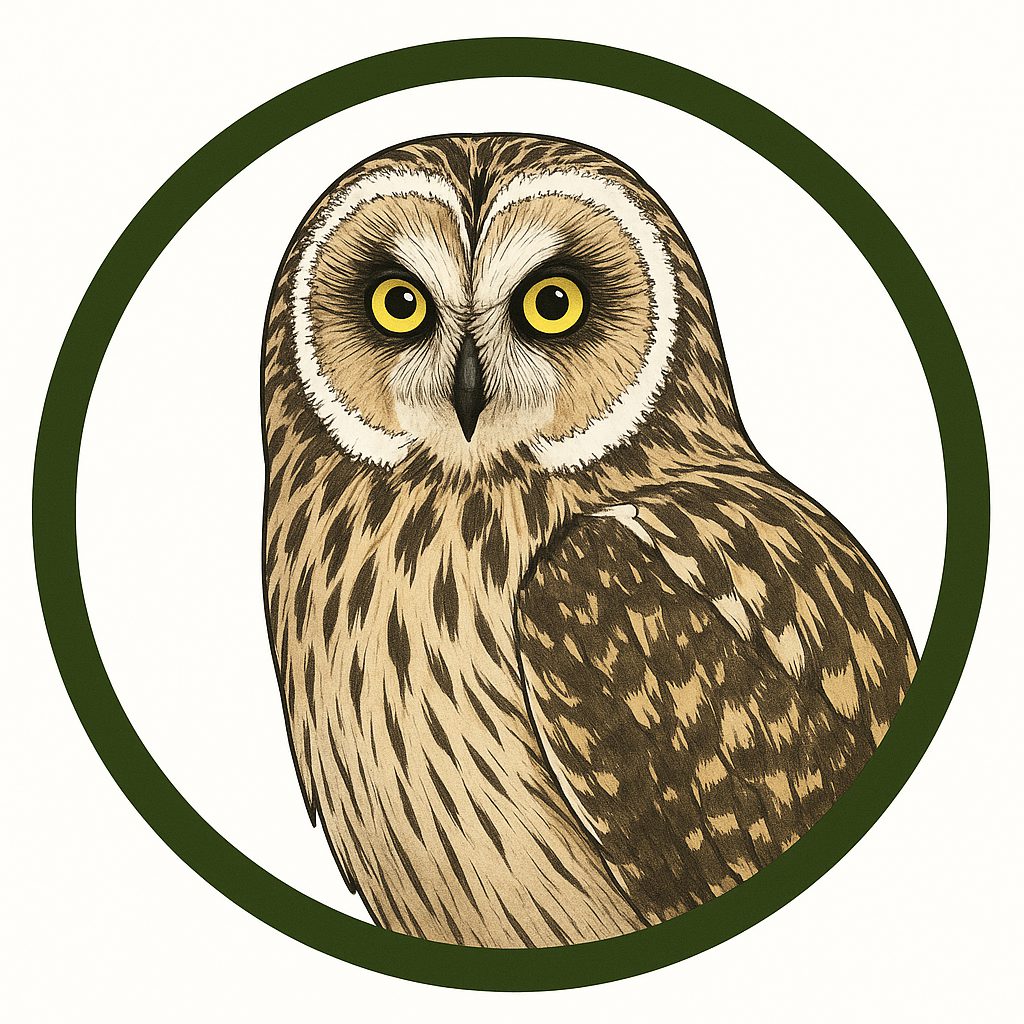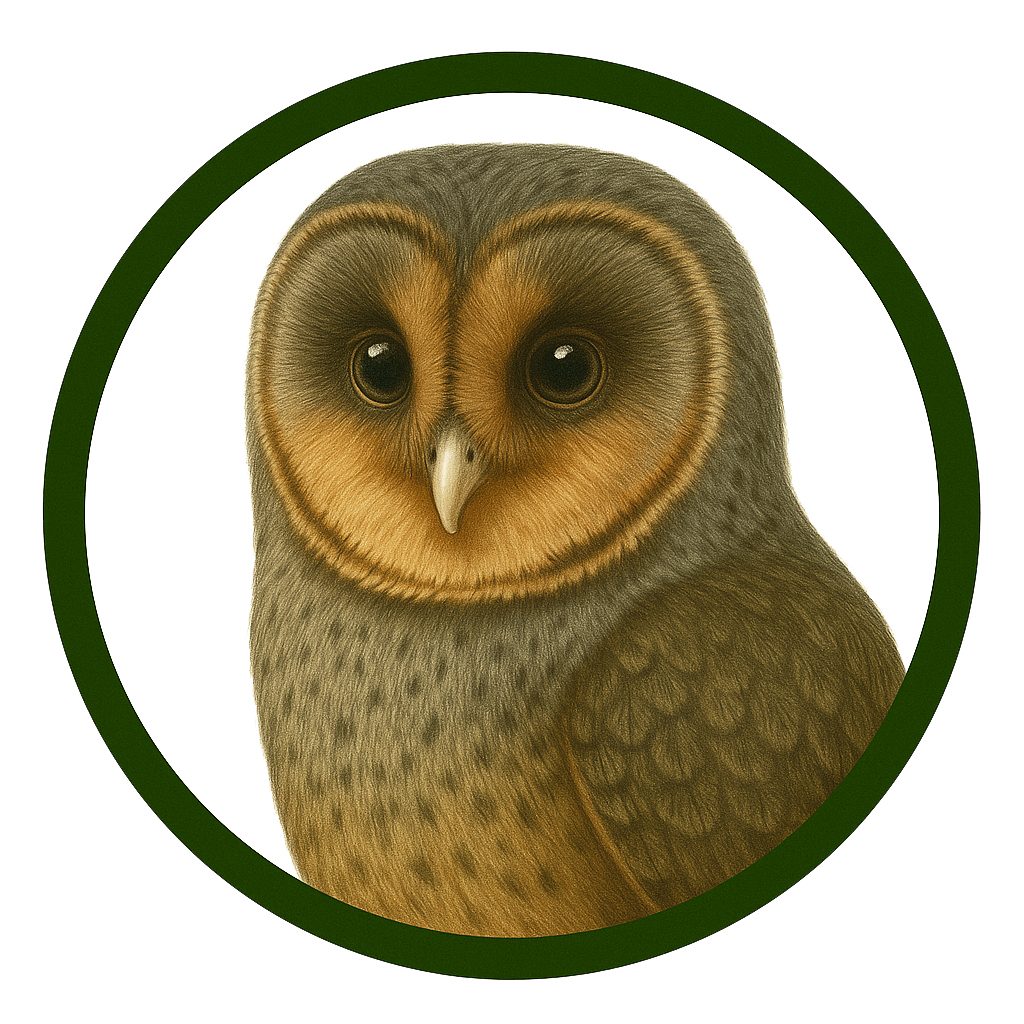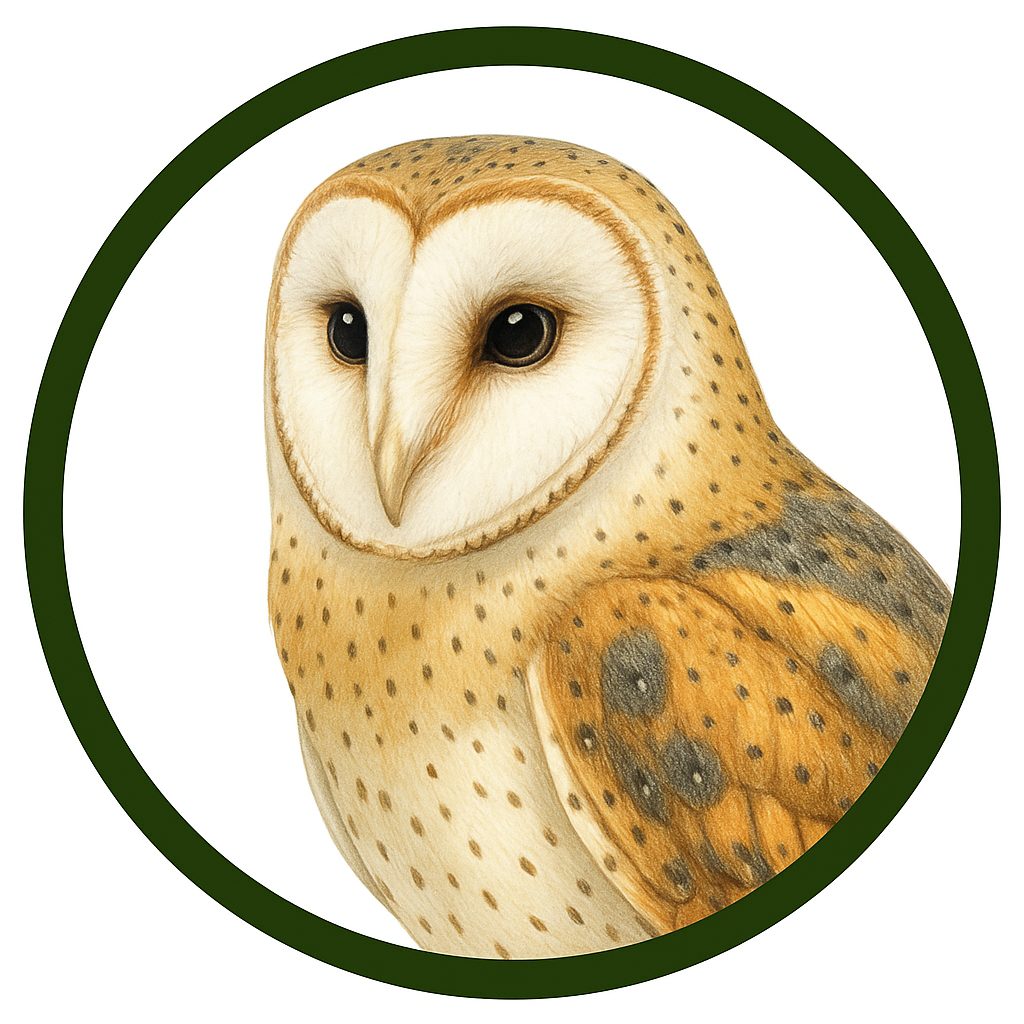
The barn owl (Tyto alba), also known as the church owl or white owl, is a species of owl belonging to the family Tytonidae.
| Kingdom | Animalia |
| Phylum | Chordata |
| Class | Aves |
| Order | Strigiformes |
| Family | Strigidae |
| Genus | Tyto |
| Species | Tyto alba |
The barn owl (Tyto alba), also known as the church owl or white owl, is a species of owl belonging to the family Tytonidae. It is one of the most widely distributed birds in the world, found on almost the entire planet, except for polar or desert regions, Asia north of the Himalayas, most of Indonesia and some Pacific islands. The range of this bird of prey includes all five continents, where several subspecies can be found.
It is present in wide regions of the world, except Canada, Alaska, the Arctic islands, Scandinavia, most of Asia — except the south —, the central Sahara Desert, the islands of Indonesia and Antarctica. These are birds that generally live in association with rural settlements, where they breed, although they depend on open areas (farmland, steppes, rocky outcrops, etc.) close to areas of scattered trees, where they hunt. They are sedentary, with nocturnal or crepuscular habits.
29 subspecies are recognised as valid.
They feed mainly on small rodents, especially mice and shrews, although they also hunt small birds, insects and, to a lesser extent, amphibians and reptiles.
Its hunting method consists of using its broad facial disc as a sophisticated parabolic receiver for the sounds made by its prey, which it thus locates and then seizes with its long toes, after swooping down on them in almost total silence. An adult barn owl eats roughly three mice a day. A pair raising between three and five chicks will hunt many more rodents. Its ability to digest bones is very poor, so the pellets are large, 4-6 cm x 2-2.5 cm, and contain a great many bones.
It nests in areas and structures developed by humans, such as bell towers, attics, barns or ruins. More rarely, and outside these habitats, it prefers open woodland, roosting — it does not build nests — in tree hollows.
It breeds at any time of year and lays between four and seven eggs, which it incubates for about thirty-two days. Incubation is carried out exclusively by the female, while the male hunts for the whole family. At fifty days old the young are able to fly but, normally, do not move away from their parents until they are three months old.
Apart from human persecution, they have few predators, although large owls, such as the Eurasian eagle-owl (Bubo bubo), may take an individual if the opportunity arises. Some farmers encourage barn owls to nest in order to control the proliferation of mice.