The Eurasian scops owl (Otus scops) is a species of owl in the order Strigiformes, family Strigidae, found in Eurasia and Africa.
| Kingdom | Animalia |
| Phylum | Chordata |
| Class | Aves |
| Order | Strigiformes |
| Family | Strigidae |
| Genus | Otus |
| Species | Otus scops mallorcae |
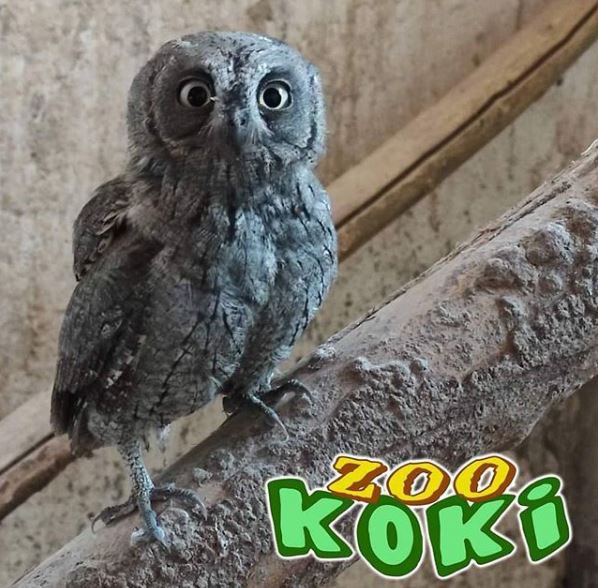
The Eurasian scops owl (Otus scops) is a species of owl in the order Strigiformes, family Strigidae, found in Eurasia and Africa. It is the smallest nocturnal bird of prey in the Iberian Peninsula, at 20 cm long, with a 50 cm wingspan and weighing 1 kg, the female being larger than the male. Its plumage is extremely cryptic, so it goes completely unnoticed on its perches on the branches of the trees where it lives. The iris of the eyes is yellow, the bill is black, and it has two facial tufts like ears, clearly visible when it perches upright. The song is a fluty “shi”, similar to the sonar of ships and submarines.
The ideal habitat of the scops owl is riverside woodland, groves close to rivers interspersed with open spaces for hunting; it can also be found in parks and gardens.
The following subspecies are recognised as valid:
It feeds mainly on insects, which it hunts on the wing or by stalking, but during the breeding season it can also prey on small rodents, small birds, reptiles and amphibians. The pellets are small, loosely compacted and crumble easily because they contain a large amount of chitin remains.
Clutch size varies between three and six eggs, laid every two days. They are incubated by the female for twenty-four or twenty-five days, and the chicks leave the nest at twenty-one days old, although they do not fly properly until they are thirty or thirty-three days old
The main conservation problems affecting it are habitat alteration and the use of pesticides. In the first case, the disappearance of riverside woodland, together with the transformation of the traditional landscape by irrigation, forestry plantations and housing developments, leads to a systematic decline in the availability and abundance of food and a reduction in suitable nesting sites. The use of pesticides further accentuates the decline in prey species and causes a bioaccumulation effect of toxic substances.
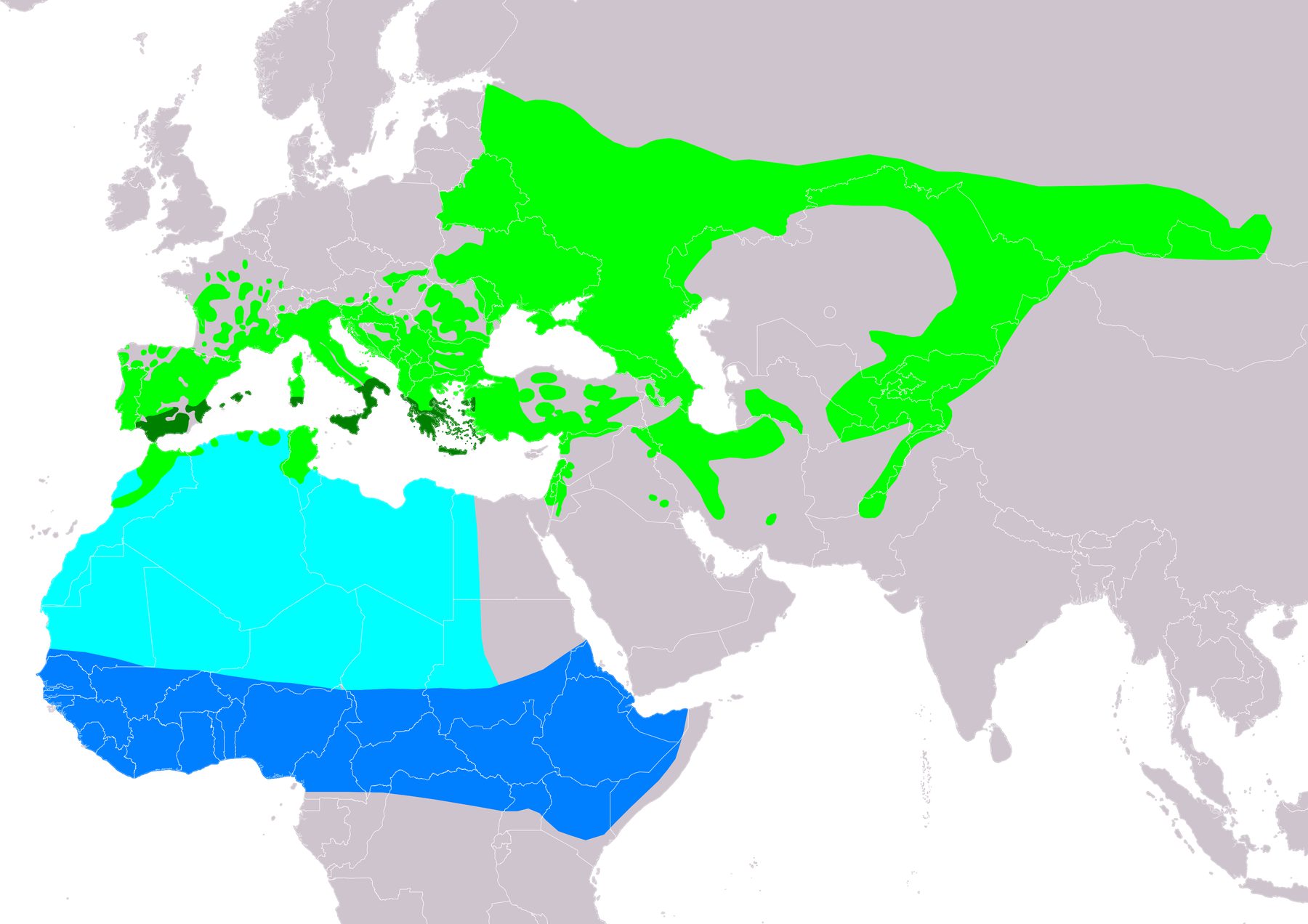 Source: Wikimedia Commons — OtusScopsIUCNver2019-3.png