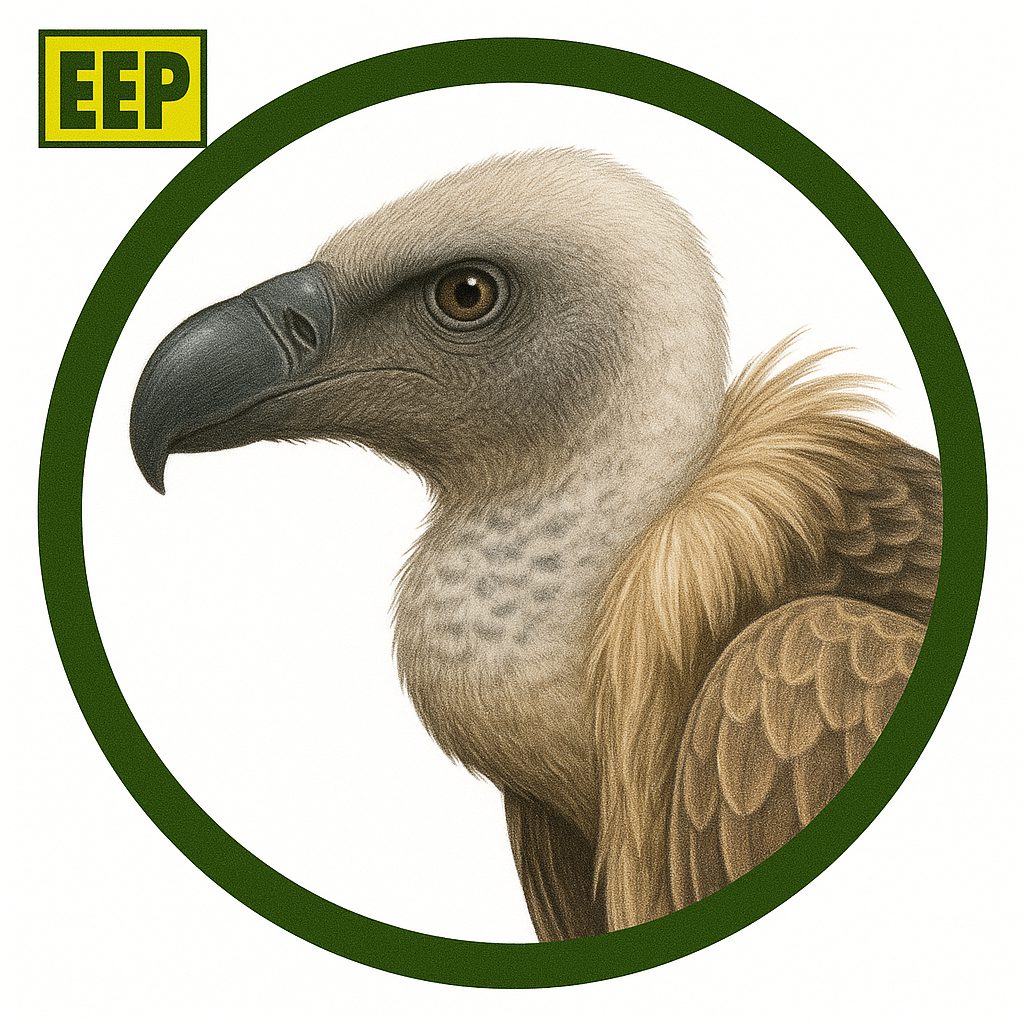
The African white-backed vulture (Gyps africanus) is a species of accipitriform bird in the family Accipitridae, and no subspecies are recognised.
| Kingdom | Animalia |
| Phylum | Chordata |
| Class | Aves |
| Order | Accipitriformes |
| Family | Accipitridae |
| Subfamily | Aegypiinae |
| Genus | Gyps |
| Species | Gyps africanus |
The African white-backed vulture (Gyps africanus) is a species of accipitriform bird in the family Accipitridae, and no subspecies are recognised.
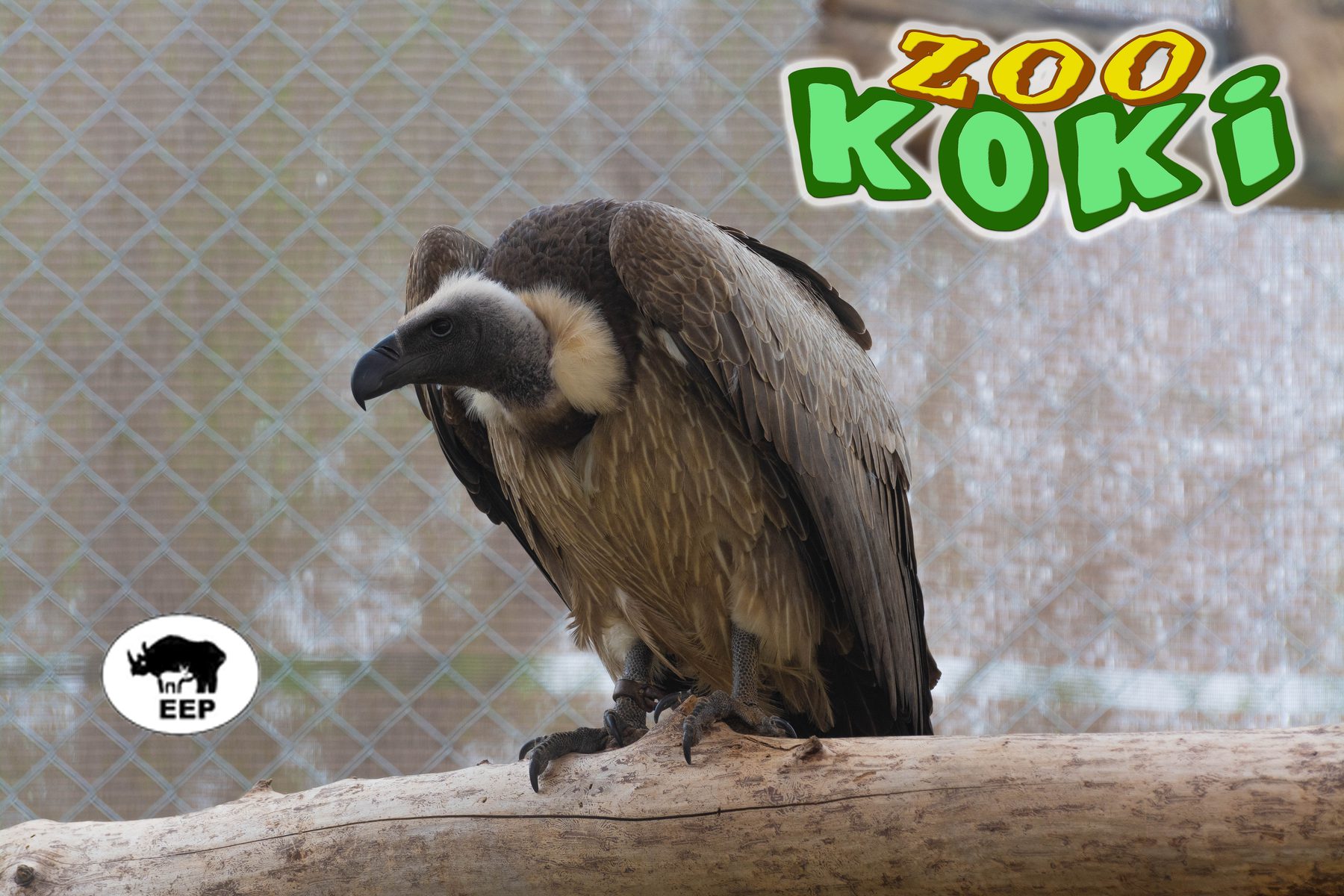
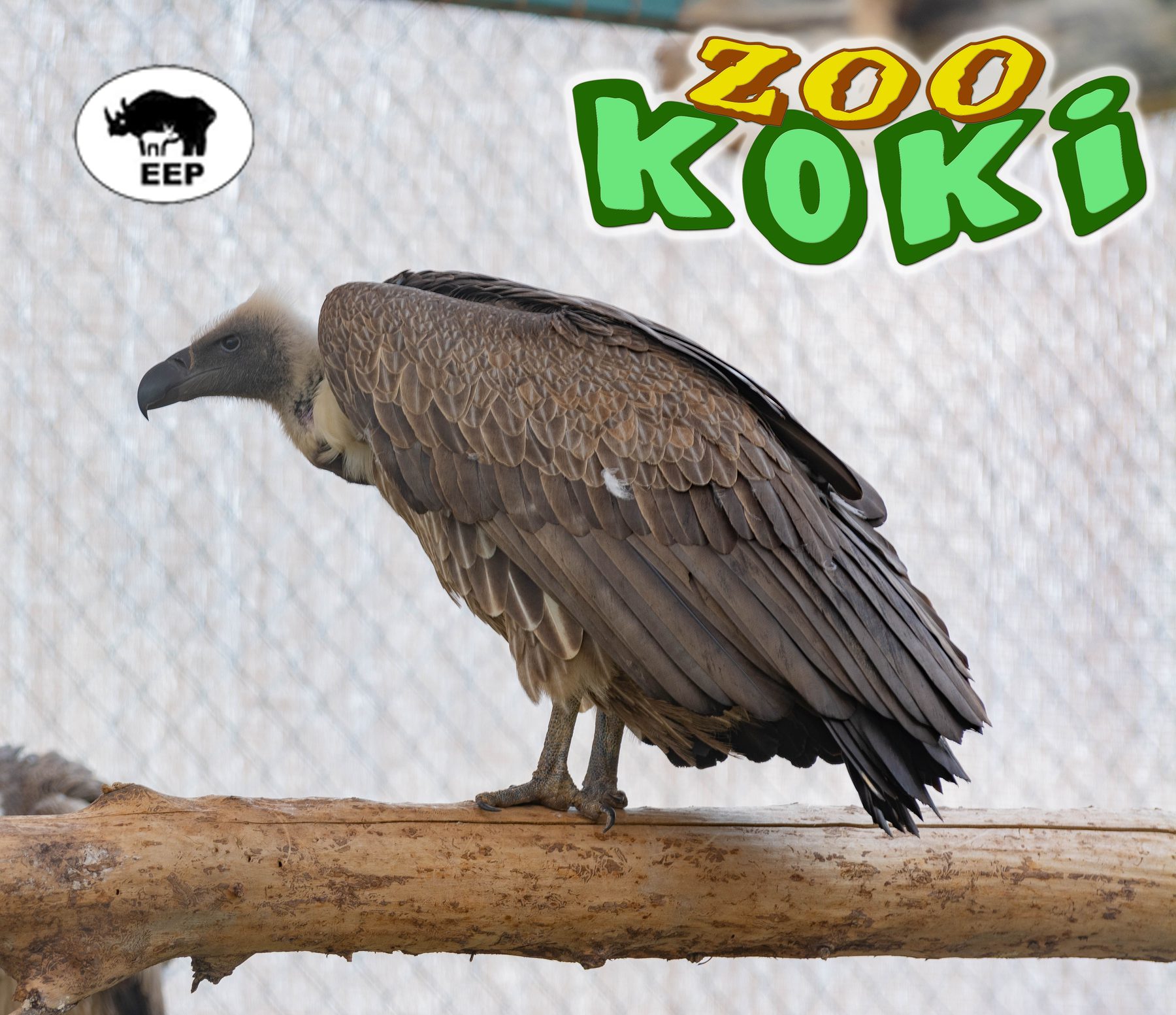
It is found throughout Africa, in the savannas of the whole continent south of the Sahara Desert.
Vultures are an endangered species living in a shrinking environment, which results in a decrease in the amount of food available. This increases competition for food, which affects them in two ways.
This species does not share food with others of its own kind. Secondly, they face competition for food from other animals in their habitat.
Its main source of food is the carcasses of animals in its habitat. It soars over the savanna and even wooded areas in search of food. It will also follow watercourses during the wet season, an ideal place to find food, as other animals gather there to drink. Examples of what it eats include warthogs, zebras, gazelles and ostriches, but it will basically feast on the carcass of any animal.
White-backed vultures nest in trees. They usually choose tall trees along riverine habitats and show a strong preference for acacia species. The nests are large, about 1 m in diameter, and are made of big sticks lined with leaves and grasses. They face threats from habitat degradation and poaching; as a result, they have been shown to avoid anthropogenically disturbed areas when selecting nesting sites, and protection status is also a strong determinant of site selection. White-backed vultures have a long breeding cycle. The incubation period is about 8 weeks and the nestling period is approximately 4 to 5 months
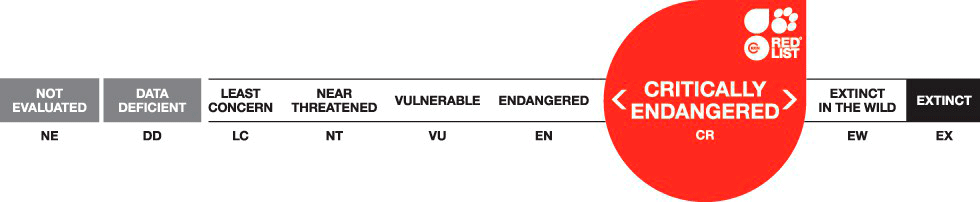
This species is in a critical state.

We take part in the breeding programme: EEP (since 2020)