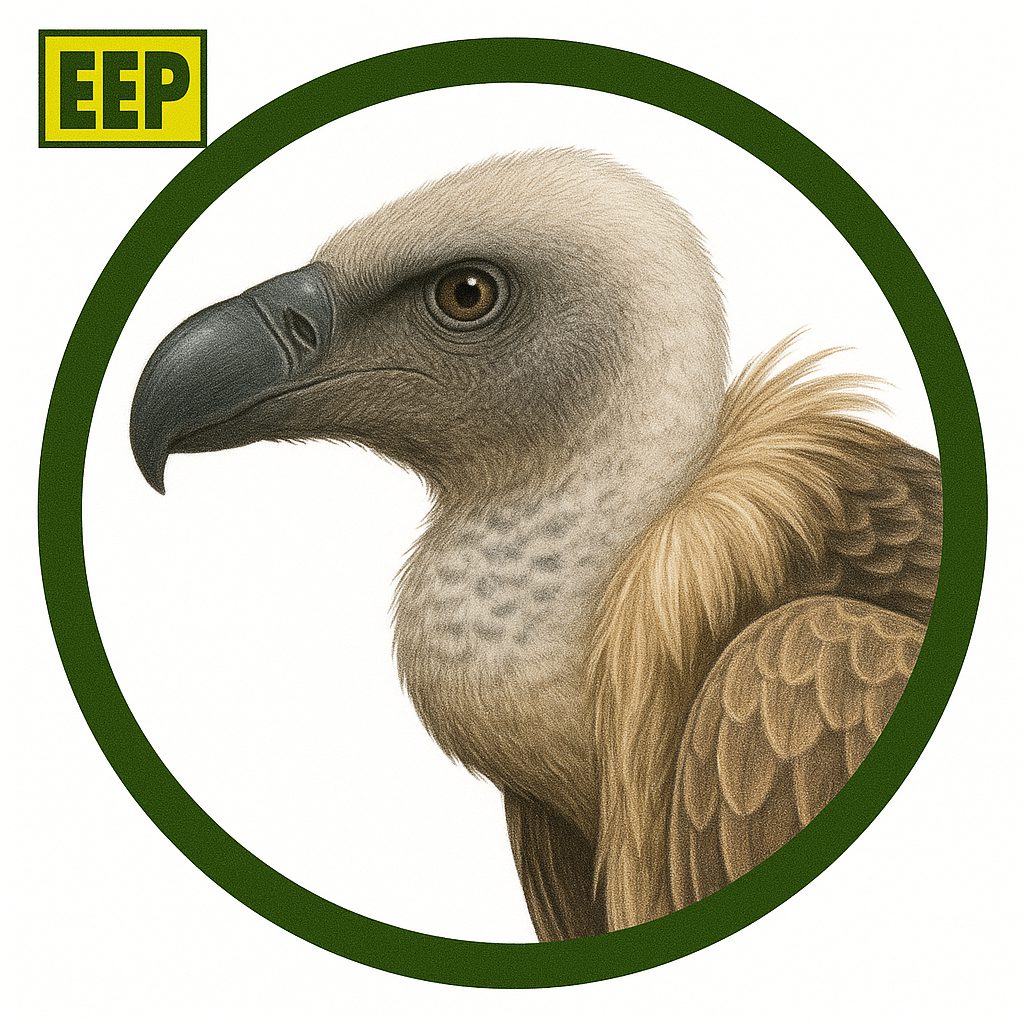
The griffon vulture (Gyps fulvus), from the Greek γύψ, gýps (vulture) and the Latin fulvus (tawny or reddish).
| Kingdom | Animalia |
| Phylum | Chordata |
| Class | Aves |
| Order | Accipitriformes |
| Family | Accipitridae |
| Subfamily | Aegypiinae |
| Genus | Gyps |
| Species | Gyps fulvus |
The griffon vulture (Gyps fulvus), from the Greek γύψ, gýps (vulture) and the Latin fulvus (tawny or reddish). It is a species of accipitriform bird in the family Accipitridae, and one of the few vultures found in Europe, along with the cinereous vulture, the Egyptian vulture and the bearded vulture.
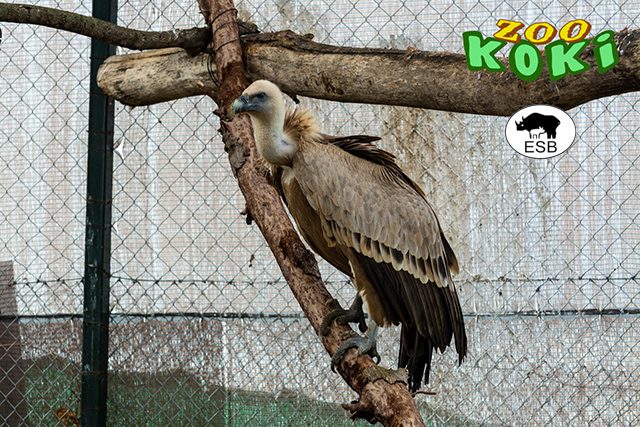
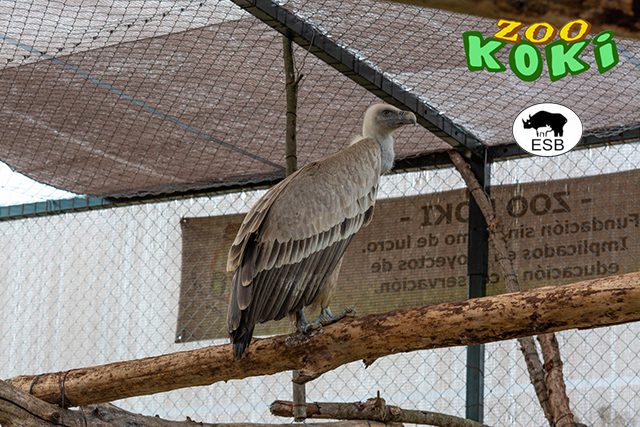
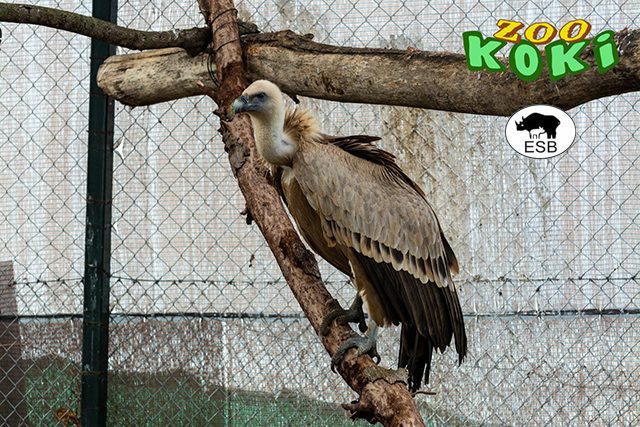
The areas inhabited by griffon vultures are usually mountainous, although on flat ground any vertical or overhanging cliff more than 50 metres high and inaccessible serves them as a roost or resting place. They favour mountainous areas cut by deep valleys, where rising anabatic breezes are produced by the warming of the sun-facing slopes.
On thermal days, at dawn they are usually seen on the edges of cliffs and ravines facing north-east to east, waiting for the heat needed to gain enough height to clear the ridges and summits. During midday they tend to use routes supported by south- and south-west-facing relief, and later, as the sun declines, they rely on the west- and north-west-facing slopes, when restitution updrafts begin to form. Taking advantage of the different aerological conditions, they have been able to cover hundreds of kilometres and, depending on how favourable the day's conditions are, they can fly over the plains or stay only over the mountain relief, being great connoisseurs not only of rising flight but also of the routes and winds suited to different altitudes to plot their journeys. In the evening they return to their refuges, small ledges preferably located under a rock overhang and sheltered from the wind, where they spend the night, incubate the egg when it is the season and raise their young.
On the Iberian Peninsula it is a resident species that can be seen all year round, but populations elsewhere sometimes migrate south to overwinter and return to their places of origin to breed.
It is especially adapted to feeding on carrion: its powerful eyesight locates any carcass nearby, and when it descends to feed (large gatherings of vultures form very quickly, with no lack of fights over the best cuts), it easily puts in its head and long neck, which are covered only with short down to which blood and flesh do not readily stick. Given the scarcity of large ungulates in Europe, such as deer, fallow deer or mouflon, due to hunting and the disappearance of forests, the carcasses left by shepherds make up an important part of this animal's diet.
Griffon vultures come into breeding condition from December to April. At that time they form stable pairs and spend about 58 days incubating their single egg, taking turns of a day or two each. They then take turns at the same frequency to feed their chick. The chick grows at a fairly slow but steady pace. Unlike other birds, if it does not receive the precise amount of food, it cannot slow its growth and dies of starvation. The young take their first flight around July, but they remain near the nest for a while until they feel the time has come to become independent. At four or five years of age they mate for the first time.
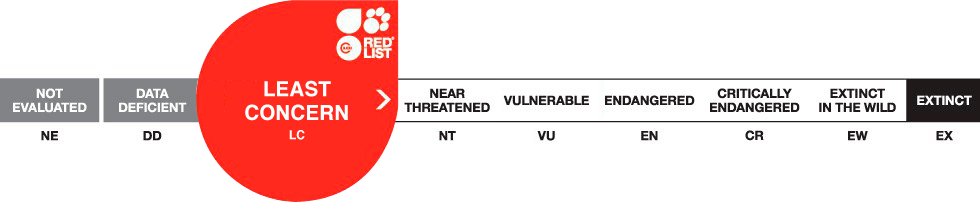
Although it is not considered a particularly threatened species, the griffon vulture is a protected bird in several countries. In the past, farmers persecuted and killed vultures, regarding them as birds of ill omen that threatened livestock about to give birth.
In Spain it is considered out of danger, although it has been listed as a species of Special Interest since 5 April 1990, meaning that it deserves particular attention because of its scientific, ecological or cultural value or its uniqueness, and requires the drawing up of a Management Plan.
It is also included in Annexes I and II of the Birds Directive 79/409/EEC, Annex II of the Bern Convention, Annex II of the Bonn Convention and in C1 of the CITES Convention.
It also appears as a species of “special interest” in the regional catalogues of Navarre, Castilla-La Mancha, Madrid and Extremadura. It is listed as “vulnerable” in that of the Basque Country and officially as “extinct” in that of the Region of Murcia, although in the latter province the population has recovered since its declaration as extinct and is currently expanding.
The main threats to the species are poisoning from eating poisoned baits illegally placed in the countryside by hunters or livestock farmers to control predators; lack of food due to the scarcity of vulture feeding stations and the obligation to remove dead livestock under EU regulations (especially after the mad cow crisis); and disturbance at breeding colonies by climbers and hikers, which causes breeding failures. Illegal hunting is not as important as it was in the past

We take part in the breeding programme: ESB (since 2020)
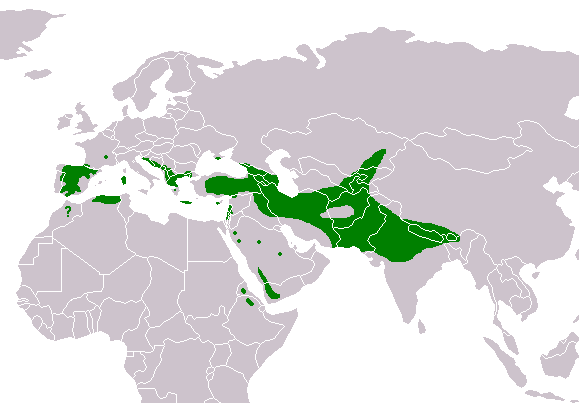 Source: Wikimedia Commons — Gyps fulvus distribution map.png