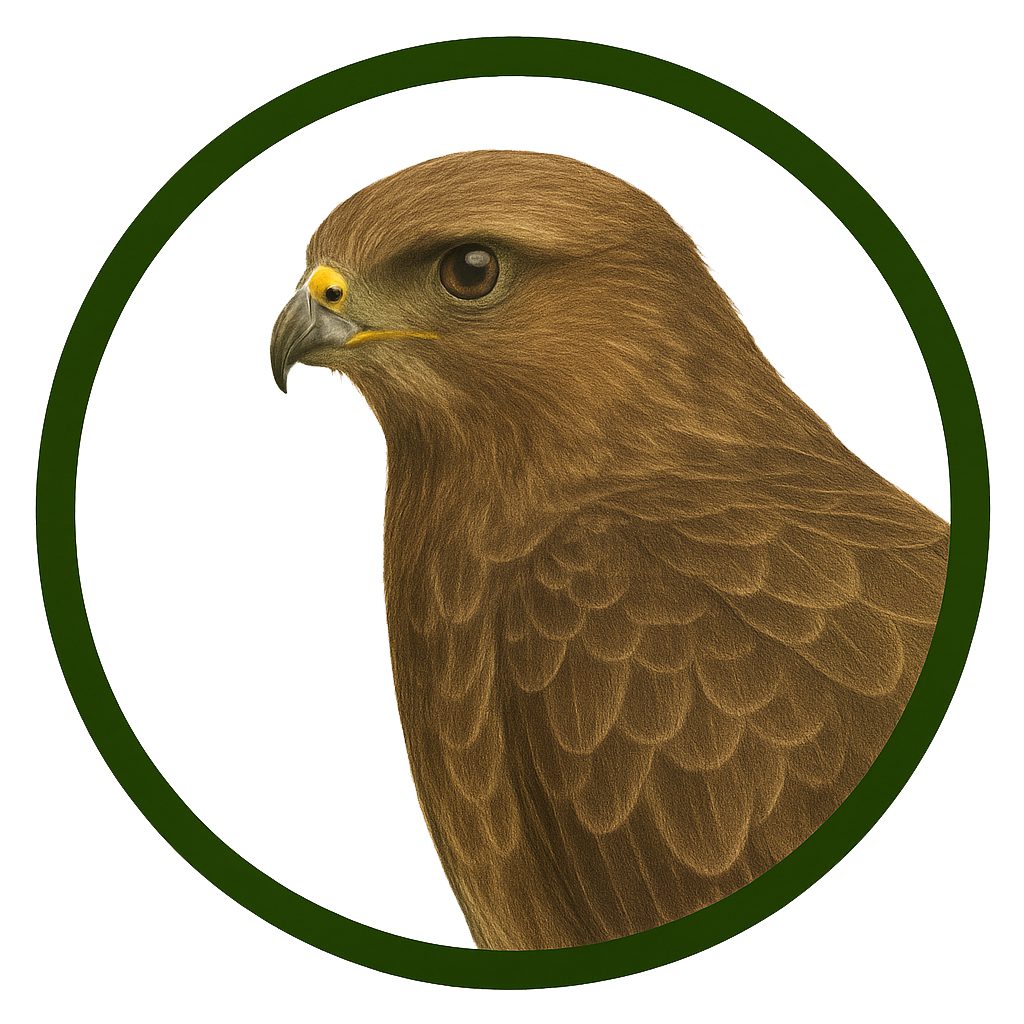
The common buzzard, known in Spanish as águila ratonera, busardo ratonero or ratonero común (Buteo buteo), is a medium-sized, robust-looking diurnal bird of prey in the family Accipitridae.
| Kingdom | Animalia |
| Phylum | Chordata |
| Class | Aves |
| Order | Accipitriformes |
| Family | Accipitridae |
| Genus | Buteo |
| Species | Buteo buteo |
The common buzzard, known in Spanish as águila ratonera, busardo ratonero or ratonero común (Buteo buteo), is a medium-sized, robust-looking diurnal bird of prey in the family Accipitridae. Despite its popular name in Spanish, it is not a true eagle but a buzzard of the genus Buteo; "águila ratonera" (literally "mouser eagle") is simply the traditional name by which it is known in much of Spain.
It measures between 46 and 58 cm in length, with a wingspan of 110 to 132 cm, and has highly variable plumage, ranging from dark brown to whitish. Its wings are broad and its relatively short tail is fan-shaped.
It occupies practically the whole of continental Europe, except for the far north of Scandinavia and Russia, as well as the Caucasus, northern Turkey and Iran. It needs mosaic landscapes that combine woodland, where it nests, with open spaces such as meadows or farmland, where it hunts.
It feeds mainly on small mammals, above all voles and moles in central Europe, and supplements its diet with young birds, reptiles, amphibians, earthworms and insects; occasionally it also eats carrion.
It reaches sexual maturity at between two and three years of age, and pairs, which may stay together for life, normally lay two to three eggs. Incubation lasts 33 to 35 days and the chicks stay in the nest for 42 to 49 days, followed by several weeks of parental dependence.
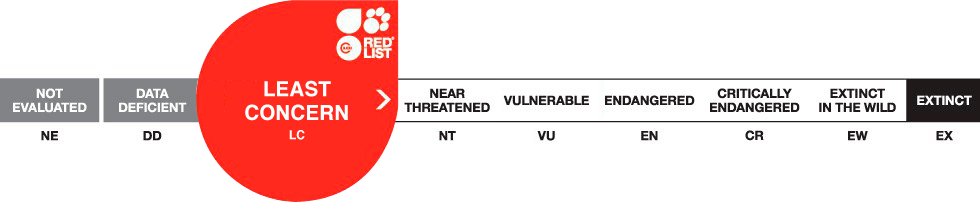
It is one of the most common birds of prey in Europe, with a breeding population estimated at more than a million pairs, and shows enormous variation in colouring between individuals, as reflected in its French name, "buse variable".