The silvery-cheeked hornbill ( Bycanistes brevis ) is a bird of the order Bucerotiformes, described by Friedmann in 1929, and gets its name from the silvery colouring of its head.
| Kingdom | Animalia |
| Phylum | Chordata |
| Class | Aves |
| Order | Bucerotiformes |
| Family | Bucerotidae |
| Genus | Bycanistes |
| Species | Bycanistes brevis |
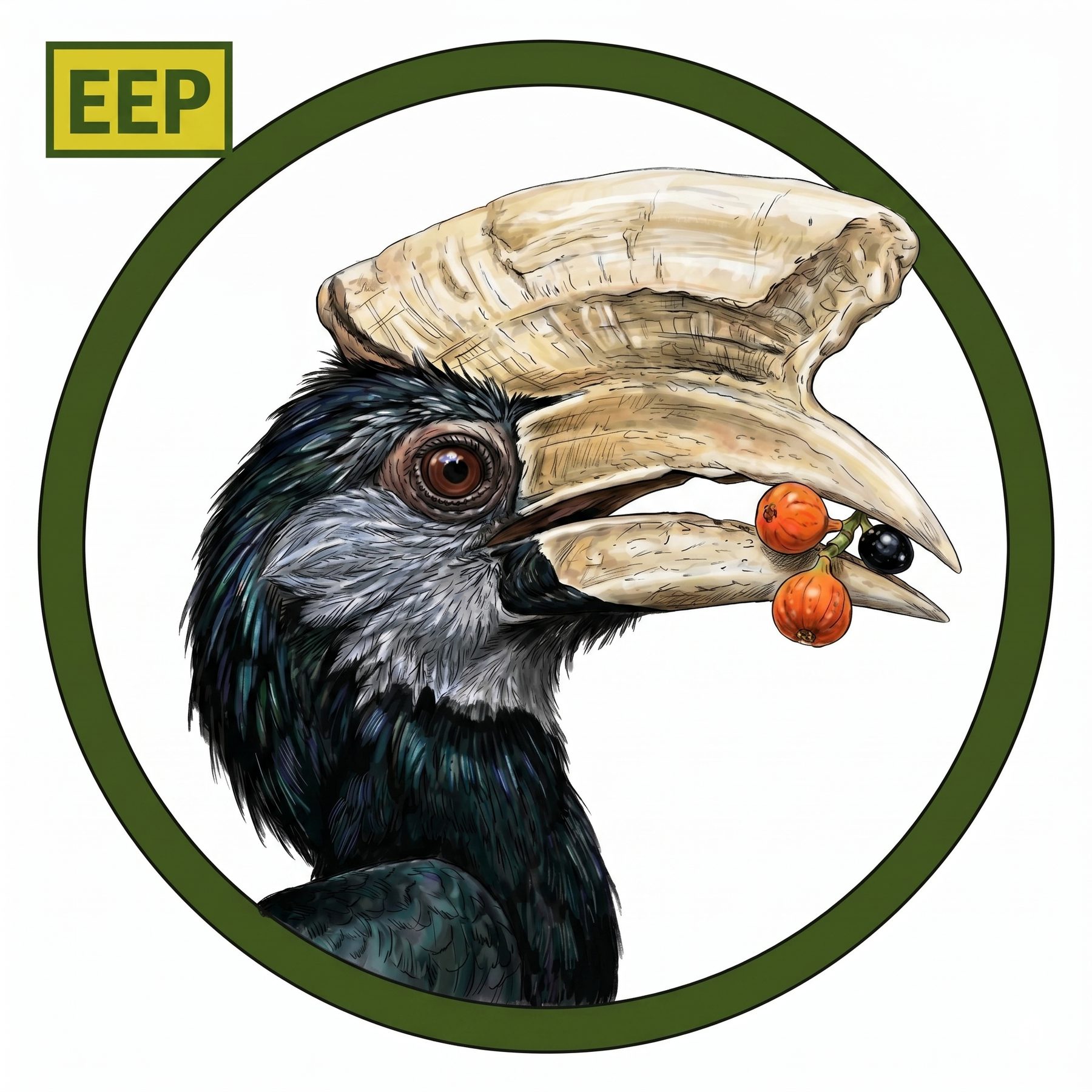
The silvery-cheeked hornbill (Bycanistes brevis) is a bird of the order Bucerotiformes, described by Friedmann in 1929, and gets its name from the silvery colouring of its head. It measures between 75 and 80 cm in length and has black plumage with an iridescent sheen and white markings on the rump, lower back, thighs, lower belly and tail tip. Its most distinctive feature is the large cream-coloured casque above the bill; females have a smaller casque and a reddish eye ring.
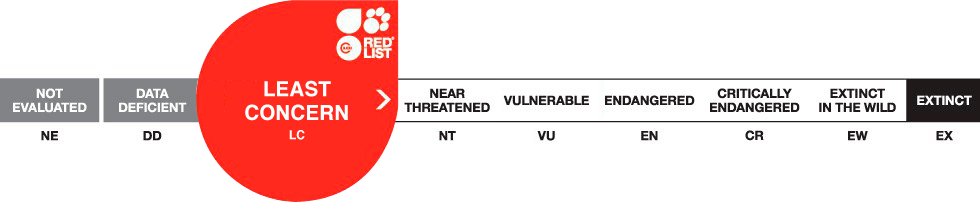
It is found in eastern Africa, from Ethiopia to southern Mozambique and South Africa, living in tall evergreen forest. Although it remains locally common in the north and centre of its range, its presence is marginal in South Africa and it is threatened by habitat loss in Zimbabwe.
It is an omnivorous bird that feeds mainly on fruit, as well as insects, small birds, rodents, small reptiles and centipedes.
Breeding takes place in spring (in some areas between September and October). The female lays one to three white eggs in a tree cavity that she partly seals with mud and plant debris, leaving only a slit through which the male brings her food; incubation lasts about 40 days, and the chicks remain dependent on the adults for around 80 more days after leaving the nest.
Outside the breeding season it may form flocks of several hundred individuals to roost together. This species is also part of a European captive-breeding programme (EEP) aimed at the ex situ conservation of African hornbills, in which European zoos take part.