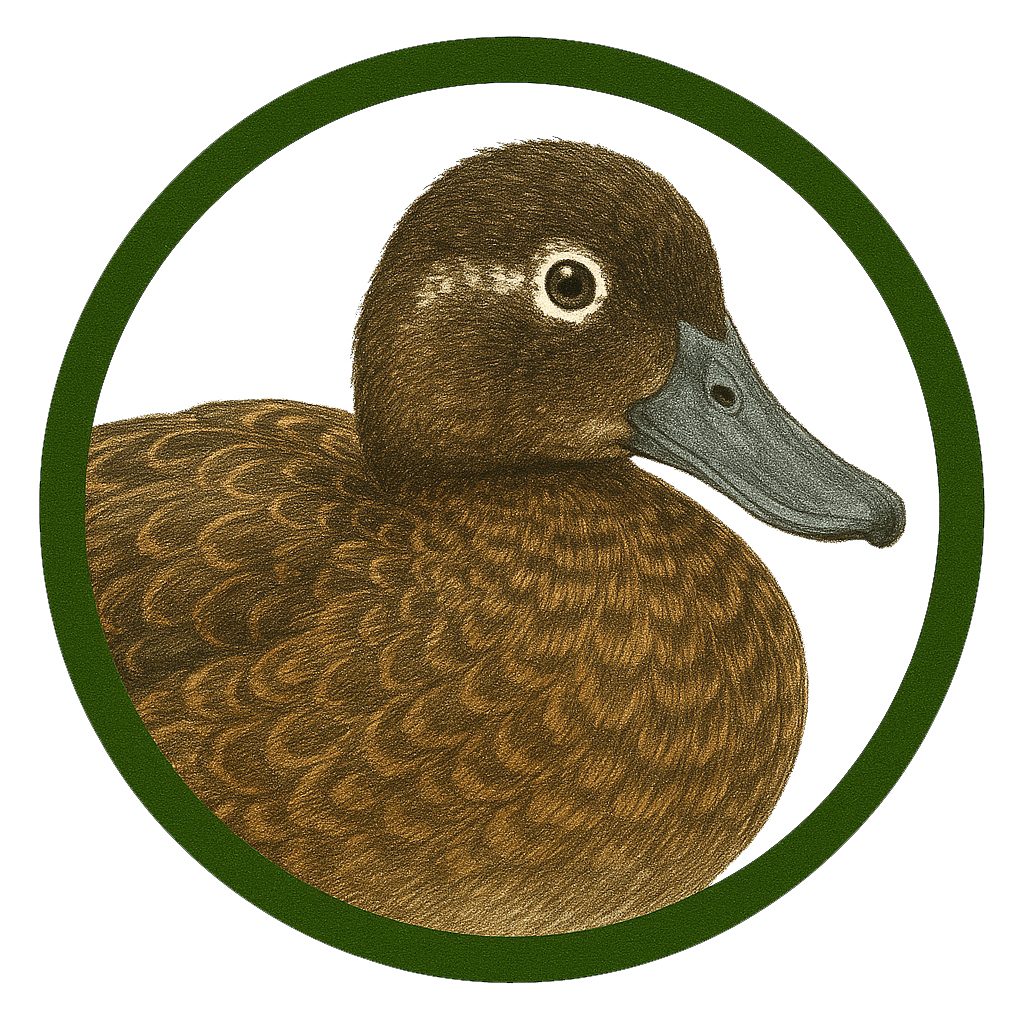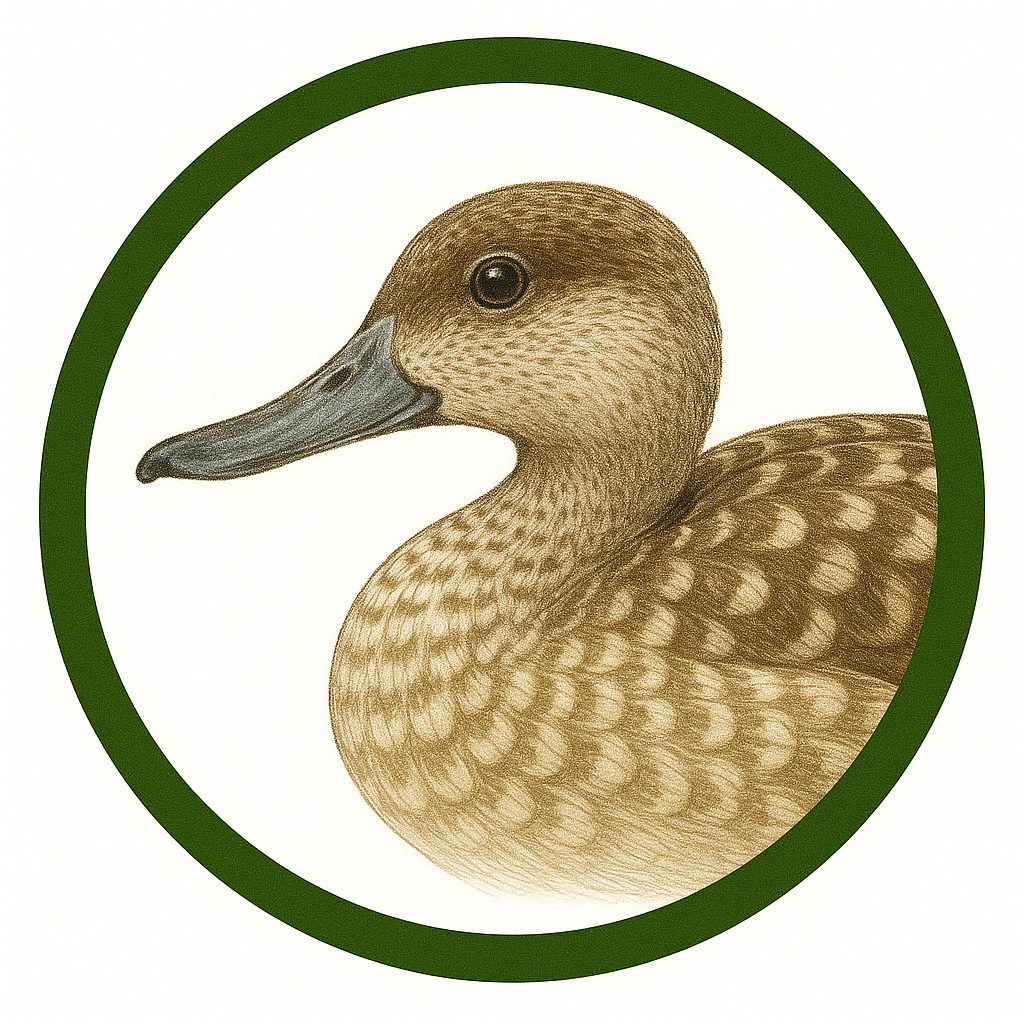
The marbled teal ( Marmaronetta angustirostris ) is the only species in its genus within the family Anatidae.
| Kingdom | Animalia |
| Phylum | Chordata |
| Class | Aves |
| Order | Anseriformes |
| Family | Anatidae |
| Genus | Marmaronetta |
| Species | Marmaronetta angustirostris |
The marbled teal (Marmaronetta angustirostris) is the only species in its genus within the family Anatidae. It is a small duck, between 39 and 42 cm, with pale brown plumage speckled with whitish and a dark stripe running through the eye and extending into a small crest at the nape. Unlike other ducks, its wings lack a coloured speculum on the secondary feathers.
Males have a somewhat more developed rear crest and a black bill with a bluish line, while females have a greenish base to the bill.
It is a partially migratory species tied to Mediterranean wetlands: coastal lagoons, marshes and shallow fresh or brackish pools. It was once common throughout the Mediterranean basin, but its range has now shrunk to scattered populations in southern Spain, Sicily, Morocco, Turkey, Iran, Armenia, Azerbaijan, Iraq and India.
It is an omnivorous species whose diet varies with the season and locality; insects and the seeds of aquatic plants form the basis of its diet.
It nests at the water's edge, hidden among the aquatic vegetation of the banks. The clutch consists of 7 to 10 cream-coloured eggs.
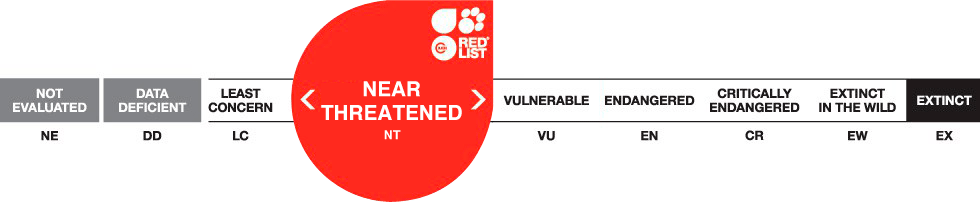
The marbled teal is one of the most threatened duck species in the Mediterranean: the IUCN classifies it globally as "Near Threatened", but in Europe its population is so small (between 760 and 2,200 mature individuals) that the European list considers it "Vulnerable", and in mainland Spain it is listed as Critically Endangered. Wetland destruction, poaching and pollution are its main threats, which is why it is the subject of captive-breeding and reintroduction programmes.