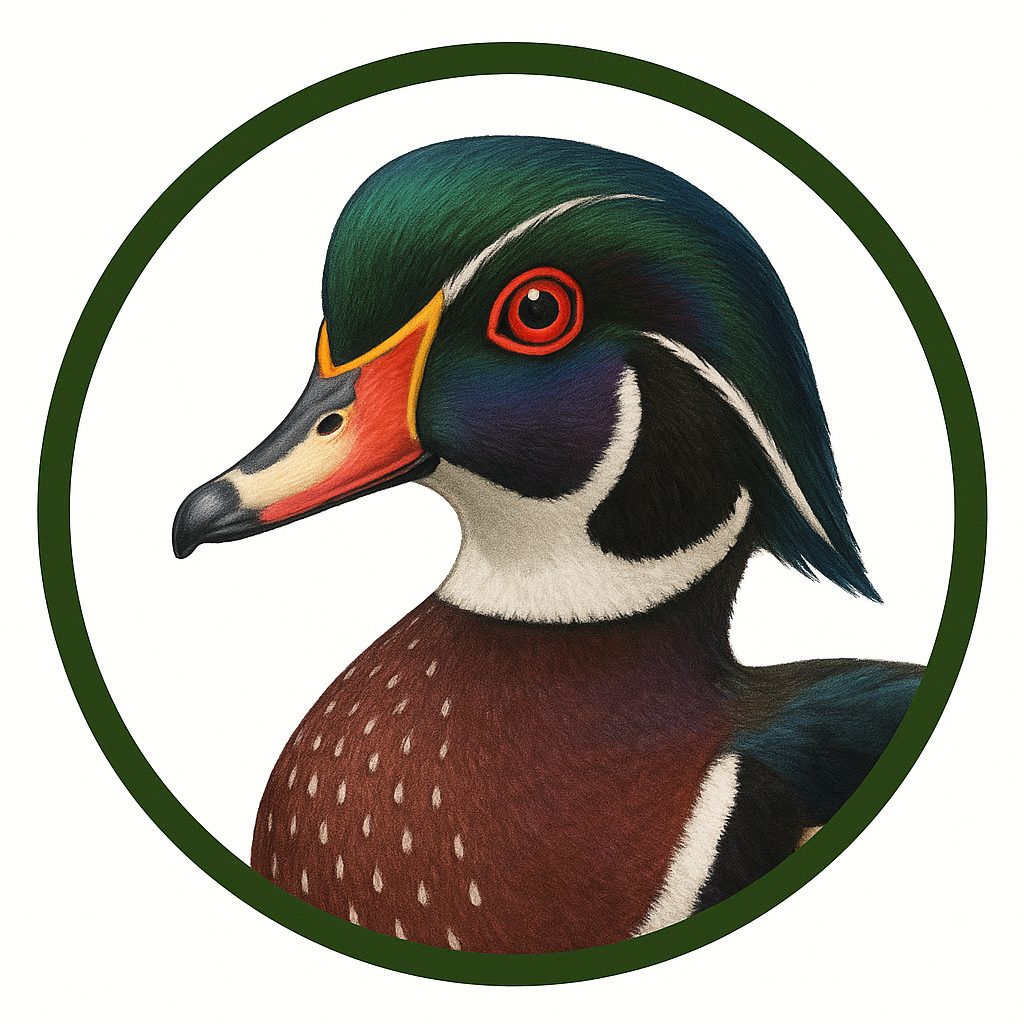
The red-crested pochard ( Netta rufina ) is an anseriform bird species of the family Anatidae, one of the most brightly coloured ducks in Europe.
| Kingdom | Animalia |
| Phylum | Chordata |
| Class | Aves |
| Order | Anseriformes |
| Family | Anatidae |
| Genus | Netta |
| Species | Netta rufina |
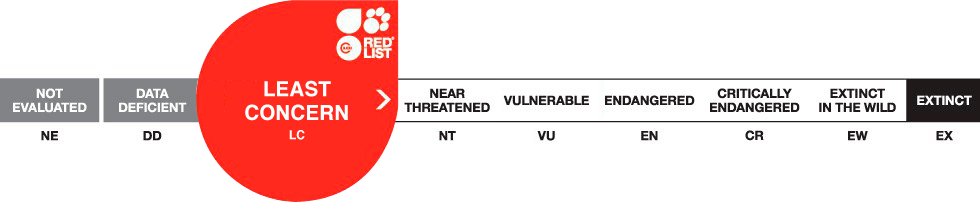
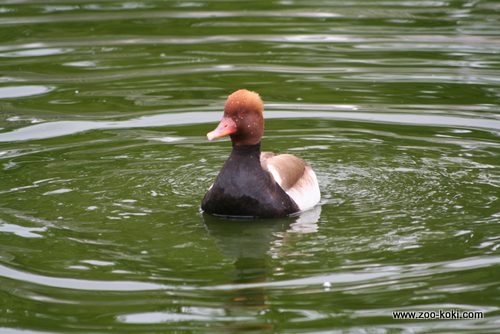
The red-crested pochard (Netta rufina) is an anseriform bird species of the family Anatidae, one of the most brightly coloured ducks in Europe. The male stands out for its striking orange head, red bill and black and white body, while the female has more discreet brown tones. It measures between 45 and 54 cm in length and has a wingspan of 85 to 92 cm.
It is found in the wetlands of southern Europe, as well as in southern and central Asia, breeding on lakes and lagoons in temperate zones; it winters in southern Europe, Asia and North Africa. It lives preferably in marshes and lagoons with abundant vegetation, and is scarcer on rivers, although it can also be found on reservoirs and salt pans.
It feeds mainly on aquatic plants, roots and seeds, supplementing its diet with small invertebrates such as molluscs, as well as amphibians and small fish.
The breeding season runs from April to August. It builds its nest on the ground, by the water's edge or on floating vegetation, and incubates 6 to 12 eggs for 26 to 28 days. While the female incubates and looks after the ducklings, the males undergo a complete moult of their plumage, temporarily losing the ability to fly.
Unlike most diving ducks, the red-crested pochard dives less often and prefers to feed at the surface or with short dives, a behaviour intermediate between dabbling ducks and diving ducks.
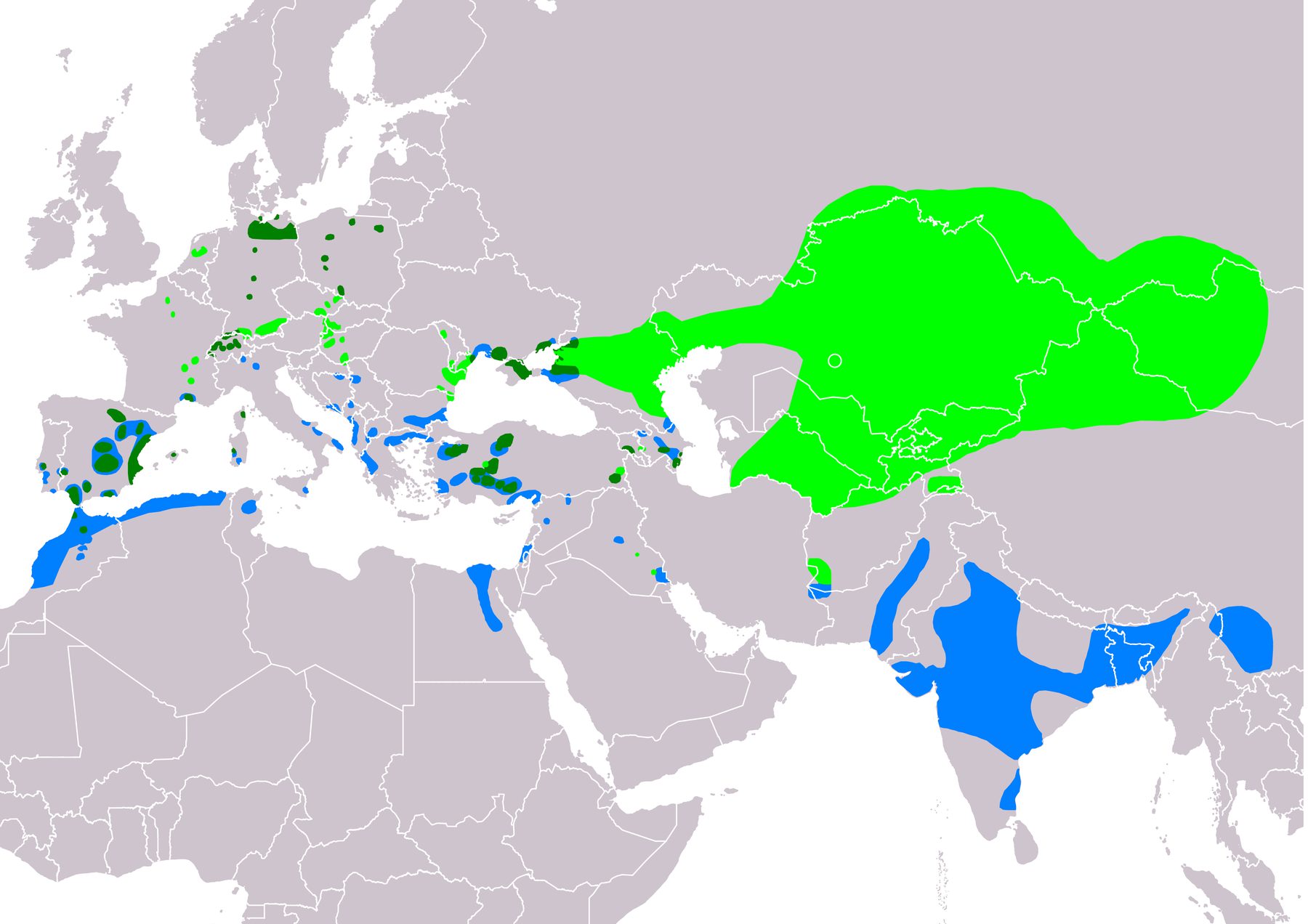 Source: Wikimedia Commons — NettaRufinaIUCNverz2018 2.png