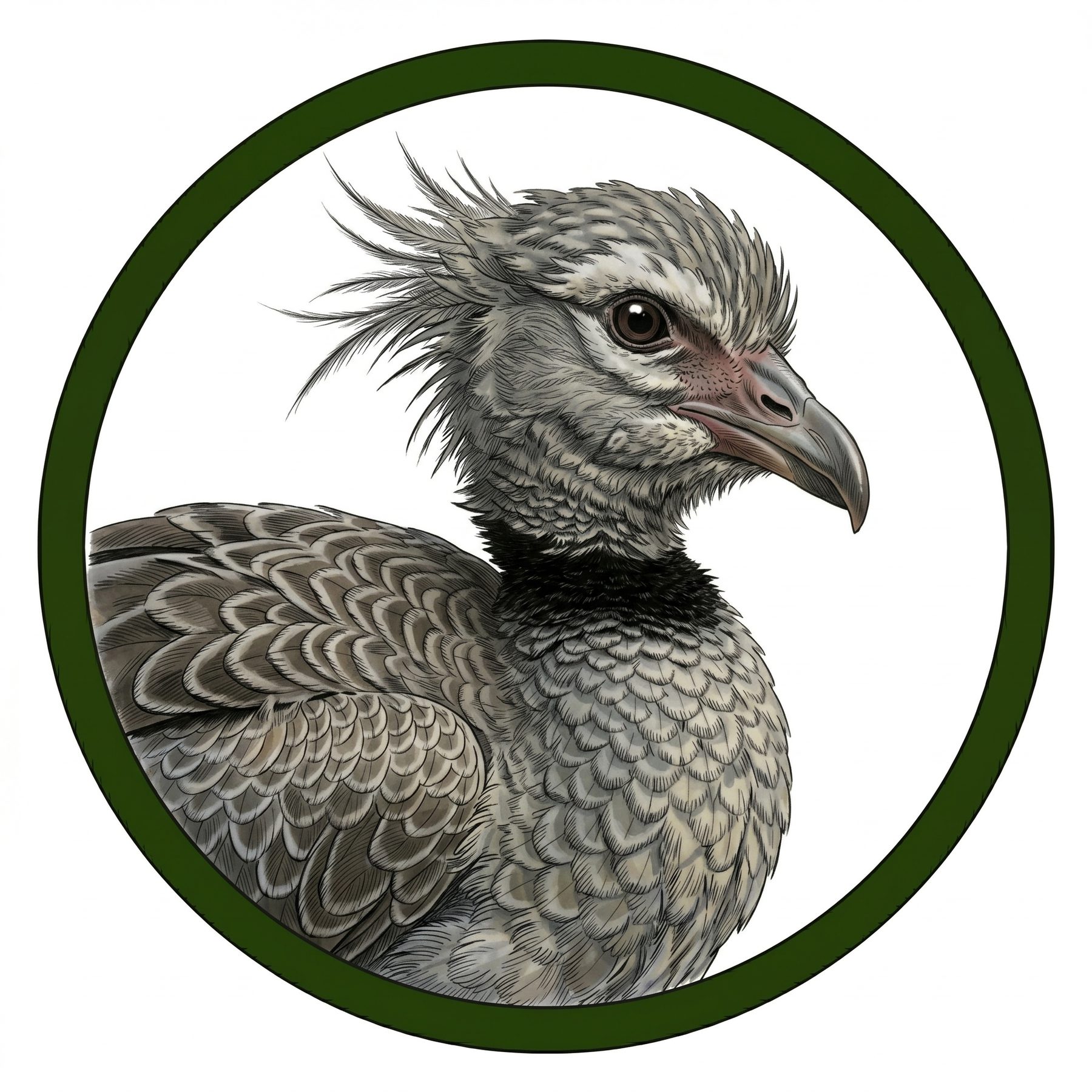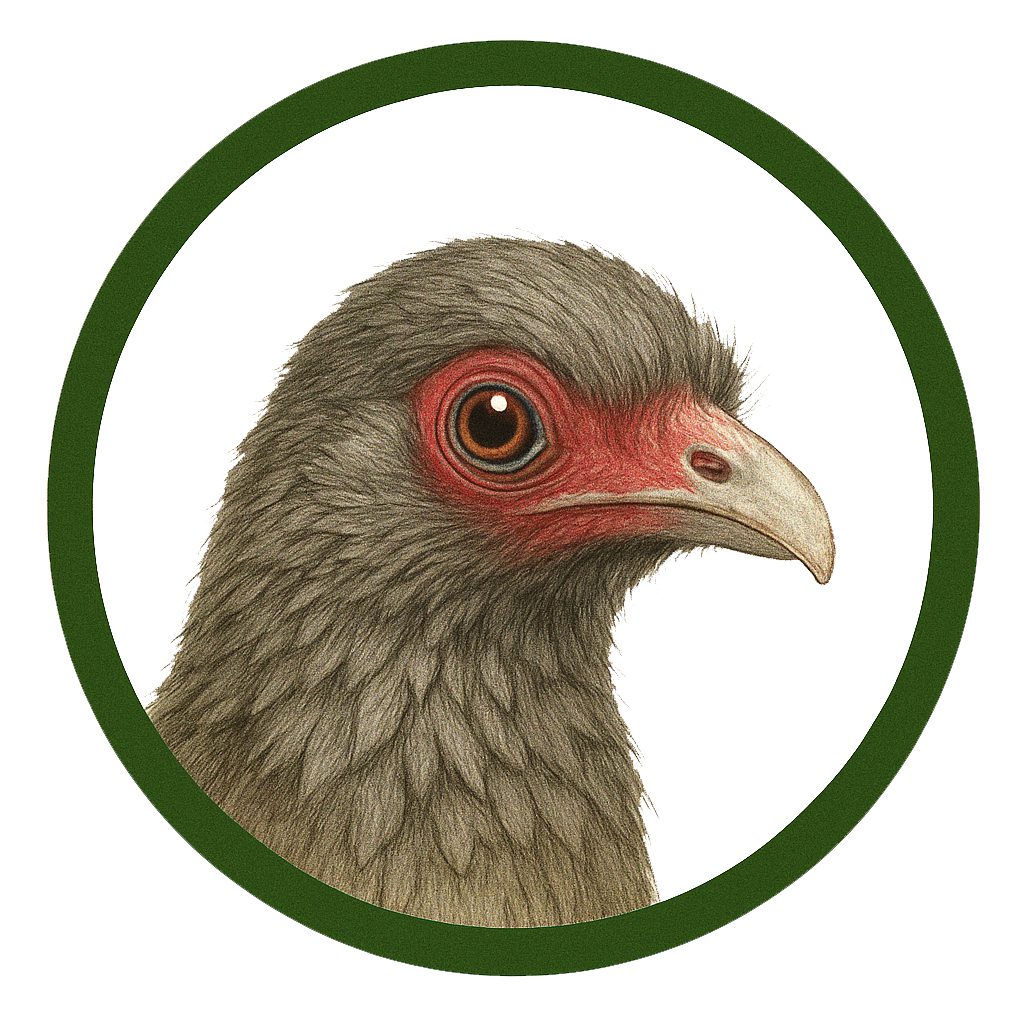
The Chaco chachalaca or charata ( Ortalis canicollis ) is a galliform bird of the family Cracidae, related to curassows and guans. It measures between 50 and 56 cm in length and weighs roughly 480 to 680 grams.
| Kingdom | Animalia |
| Phylum | Chordata |
| Class | Aves |
| Order | Galliformes |
| Family | Cracidae |
| Genus | Ortalis |
| Species | Ortalis canicollis |
The Chaco chachalaca or charata (Ortalis canicollis) is a galliform bird of the family Cracidae, related to curassows and guans. It measures between 50 and 56 cm in length and weighs roughly 480 to 680 grams. The nominate subspecies has a greyish head, back and chest, with an orange-brown belly, and a characteristic patch of bare pinkish-red skin around the eyes; the subspecies pantanalensis has browner plumage and more purplish facial skin.
Its relatively short, rounded wings require vigorous flapping to cross open spaces.
It is native to the lowlands of the Gran Chaco, occurring in Bolivia, Paraguay, Brazil and northern Argentina, and also in the Brazilian Pantanal region. It lives in Chaco-type forests and savannas, swamp forests, subtropical dry scrub and palm groves, in both mature woodland and secondary vegetation.
It feeds mainly on fruit and leaves throughout the year, foraging chiefly in the treetops, although it comes down to the ground in areas of open understorey. Seasonally it supplements its diet with invertebrates, especially caterpillars, and acts as a seed disperser.
The breeding season runs from August to February depending on the region. It builds a rough platform of branches and stems, placed between 2.5 and 4 metres up in dense vegetation, where the female incubates a clutch of two to four eggs on her own for about 28 days; the chicks are able to grow feathers barely two days after hatching.
It lives in large groups and is famous for its strident vocal choruses, in which several individuals sing in unison — the male an octave lower than the female — producing a sound audible up to 2 km away; in fact, it gives its name to the Argentine town of Charata, in Chaco province.