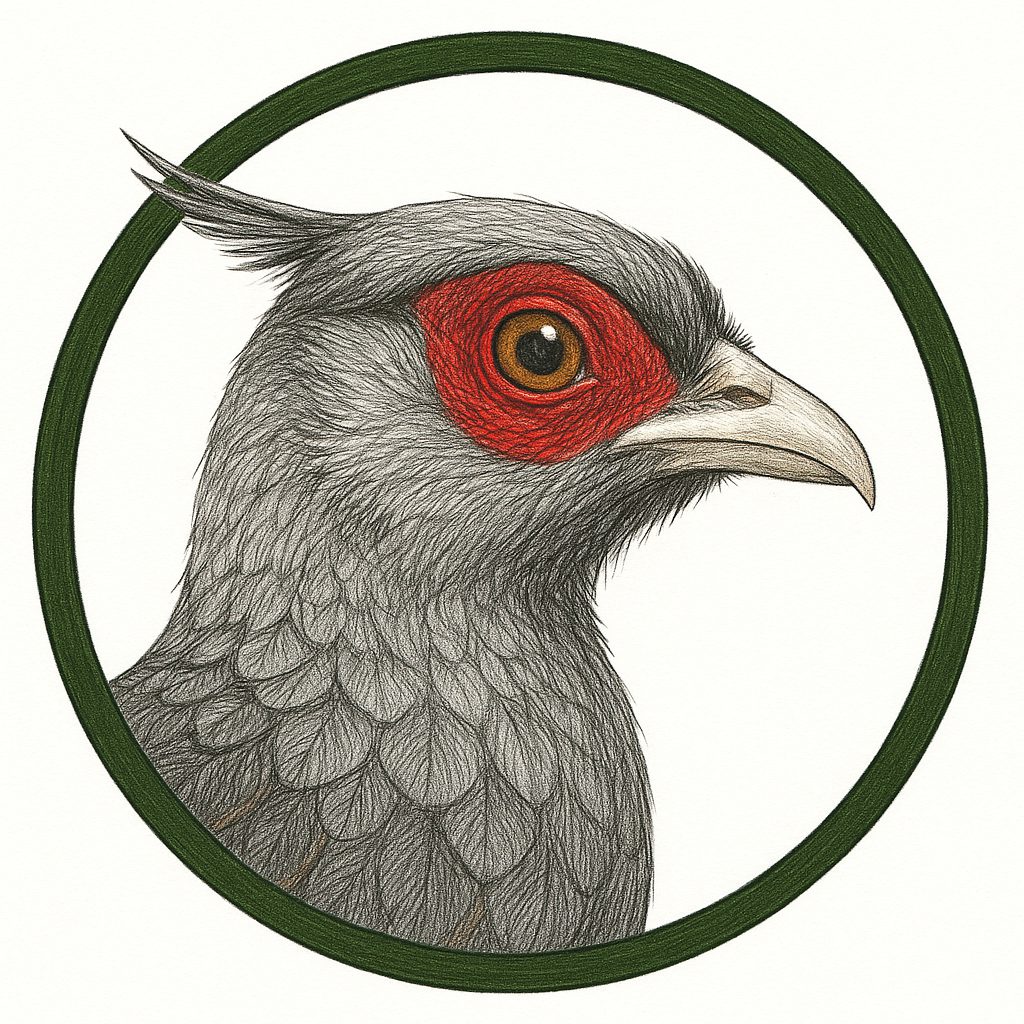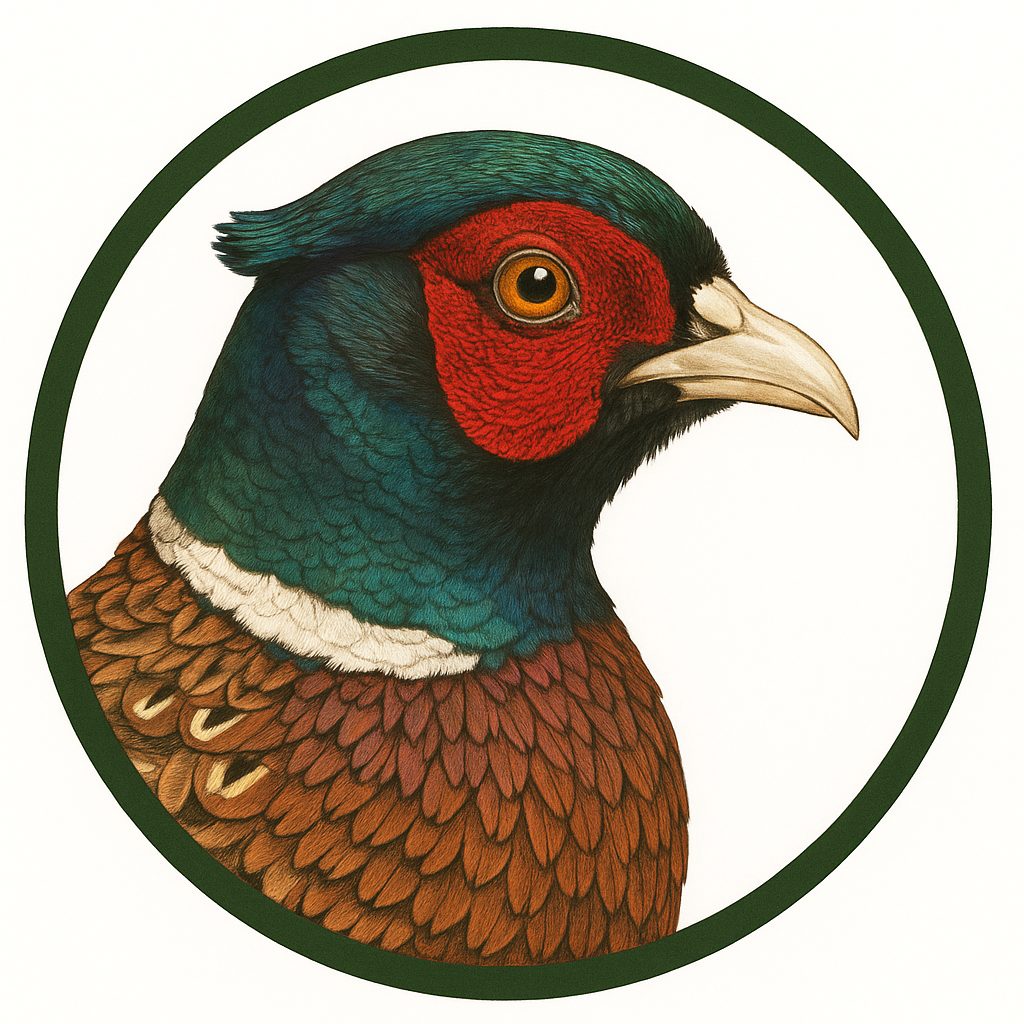
The copper pheasant ( Syrmaticus soemmerringii ) is a large bird with rich coppery chestnut plumage, a yellowish bill, brown iris, red facial skin and greyish legs with small spurs in the male.
| Kingdom | Animalia |
| Phylum | Chordata |
| Class | Aves |
| Order | Galliformes |
| Family | Phasianidae |
| Genus | Syrmaticus |
| Species | Syrmaticus soemmerringii ijimae |
The copper pheasant (Syrmaticus soemmerringii) is a large bird with rich coppery chestnut plumage, a yellowish bill, brown iris, red facial skin and greyish legs with small spurs in the male. The females, in barred brown and greyish tones, are noticeably smaller. The male can reach between 87.5 and 136 cm in total length (much of it tail), while the female measures between 51 and 54 cm. The subspecies ijimae, known as Ijima's copper pheasant, is one of the five geographical races recognised within the species.
It is a bird endemic to Japan, distributed across mountain forests on the islands of Honshu, Kyushu and Shikoku. The subspecies ijimae specifically occupies the coniferous forests of south-eastern Kyushu.
It feeds mainly on insects and other arthropods, as well as roots, leaves and grains, which it finds by foraging on the forest floor.
It nests on the ground, sometimes hidden beneath fallen logs, and the clutch is around ten light brown eggs. In captivity, breeding the species requires large aviaries of at least 15–16 m², sheltered from wind and rain. Precise data on the exact length of incubation in the wild are scarce.
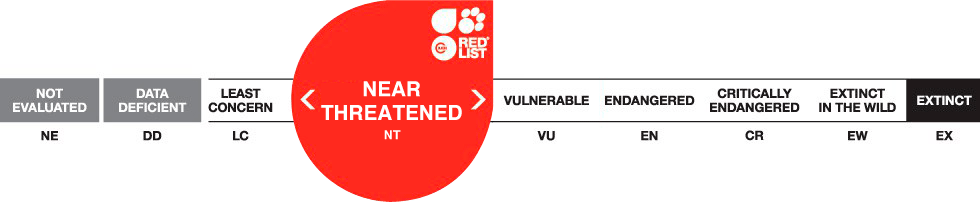
The scientific name of the species honours the German anatomist Samuel Thomas von Sömmerring, while in Japanese it is popularly known as "yamadori" (mountain bird). The subspecies ijimae, found in south-eastern Kyushu, owes its name to the Japanese naturalist Isao Ijima. Like the rest of the species, it suffers pressure from forest habitat loss and hunting, which places it in the Near Threatened category.