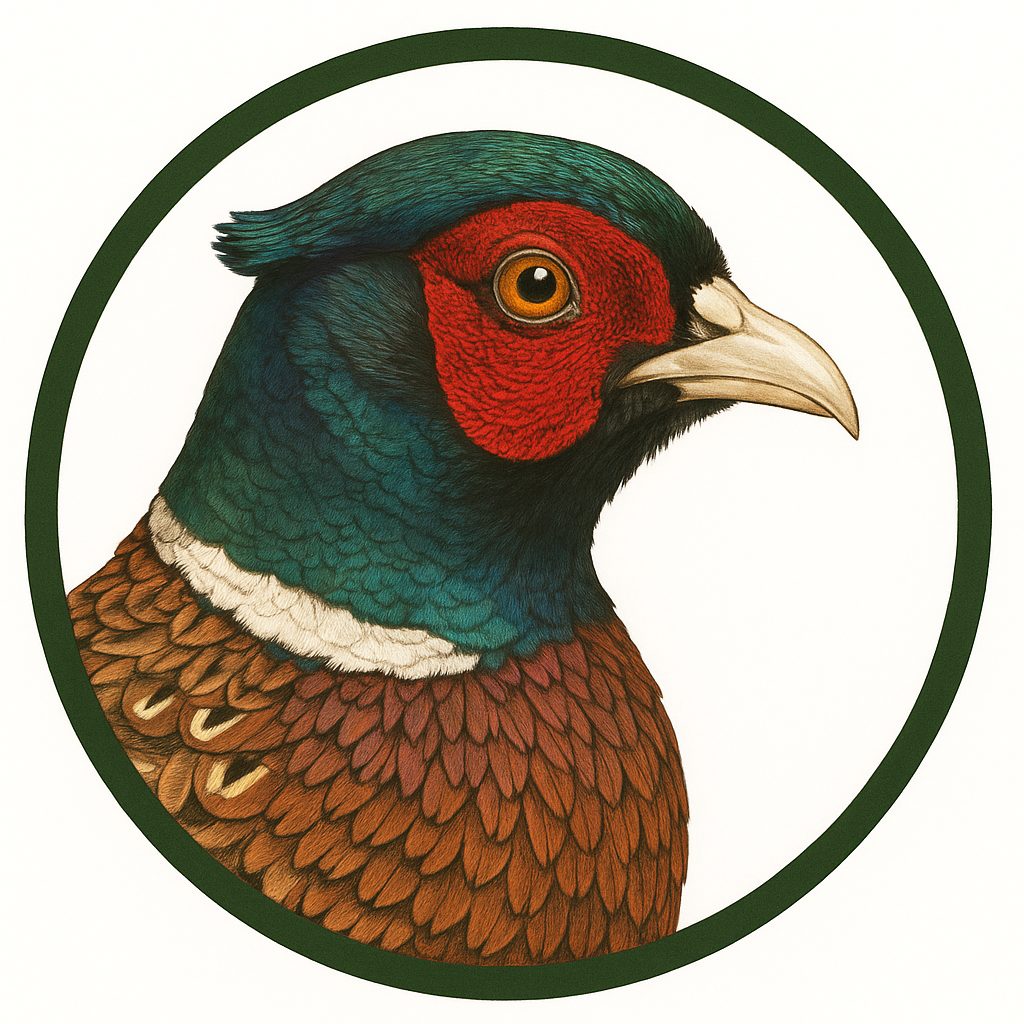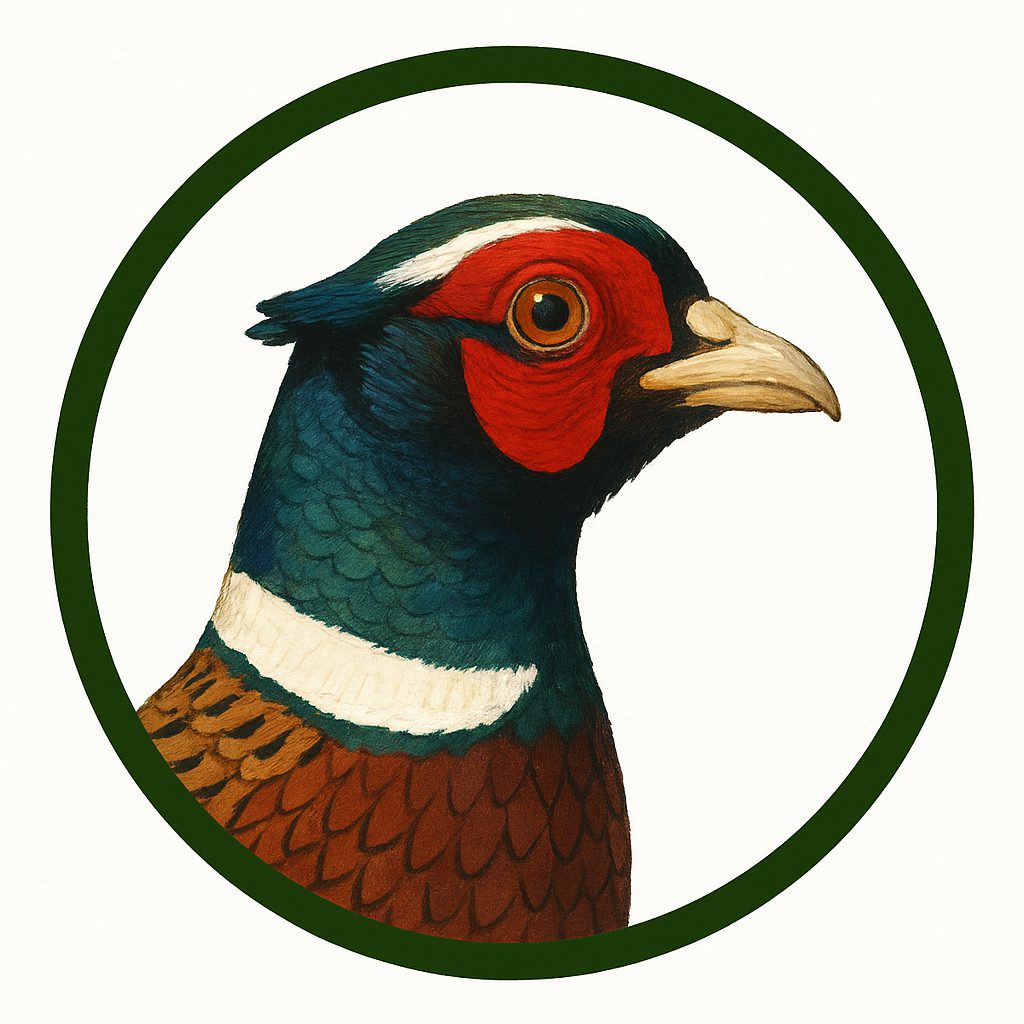
The Manchurian pheasant corresponds to the subspecies Phasianus colchicus pallasi , one of the roughly thirty geographical races described within the ring-necked or common pheasant ( Phasianus colchicus ), a bird of the family Phasianidae.
| Kingdom | Animalia |
| Phylum | Chordata |
| Class | Aves |
| Order | Galliformes |
| Family | Phasianidae |
| Genus | Phasianus |
| Species | Phasianus colchicus |
The Manchurian pheasant corresponds to the subspecies Phasianus colchicus pallasi, one of the roughly thirty geographical races described within the ring-necked or common pheasant (Phasianus colchicus), a bird of the family Phasianidae. It is distinguished by pale plumage in yellow and coppery-brown tones, a greenish-grey head with bluish metallic reflections and striking white lines above the eyes.
The male has a broad, conspicuous white neck ring, a coppery breast with violet iridescence and a bluish-grey rump, features that set it apart from other, darker subspecies of the common pheasant.
This subspecies is native to north-eastern China, specifically the regions of Heilongjiang and Inner Mongolia, in habitats typical of the common pheasant: mosaics of grassland, scrub and farmland with hedgerows and copses in which to take cover.
Like other common pheasants, it is an omnivorous bird that forages on the ground: seeds, fruit, leaves and tender shoots, supplemented with insects and other small invertebrates.
It shares the general breeding pattern of the species: a polygamous mating system, a clutch of about ten eggs in a nest on the ground, and incubation carried out solely by the female for 23 to 26 days.
The common pheasant includes numerous subspecies distinguishable mainly by the colour of the male's plumage and the presence or absence of a white neck ring; the Manchurian subspecies is one of the palest and is prized in ornamental aviculture for its pale tone and its marked ring.