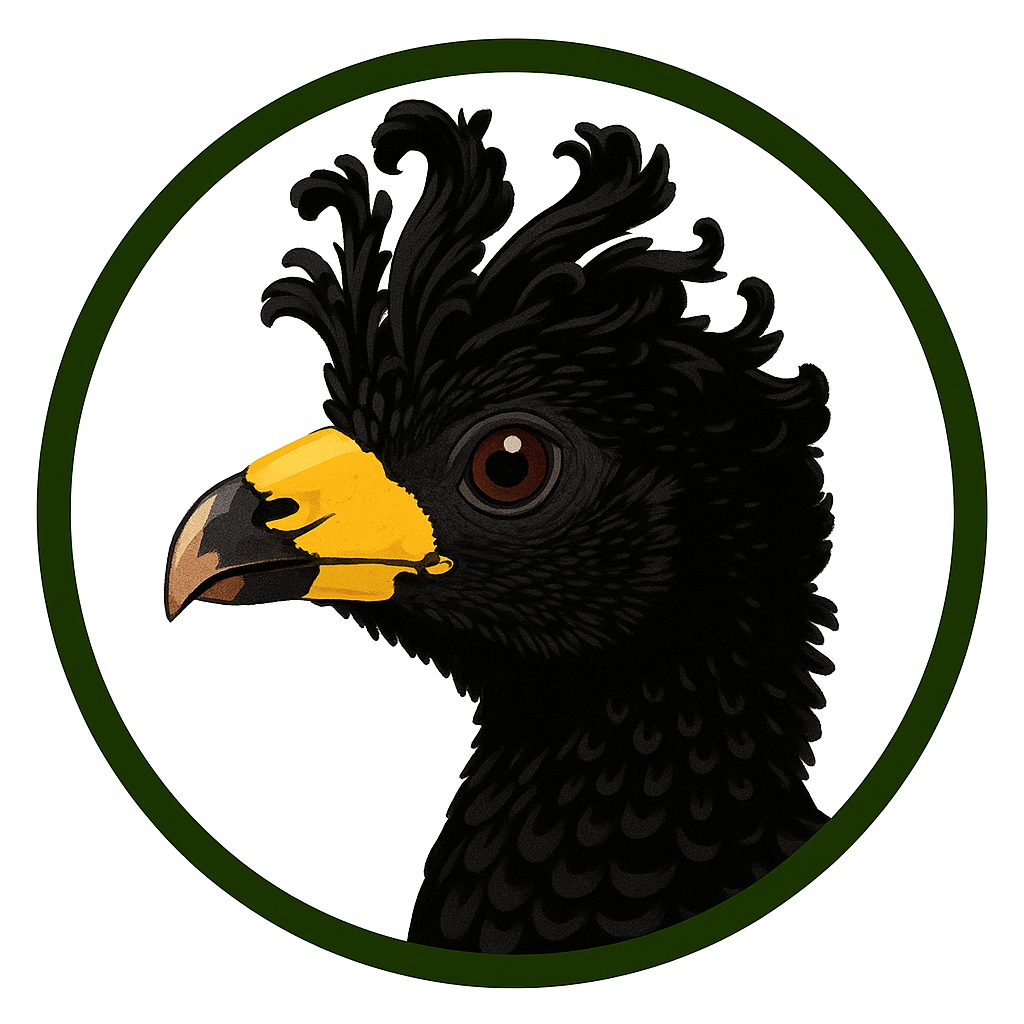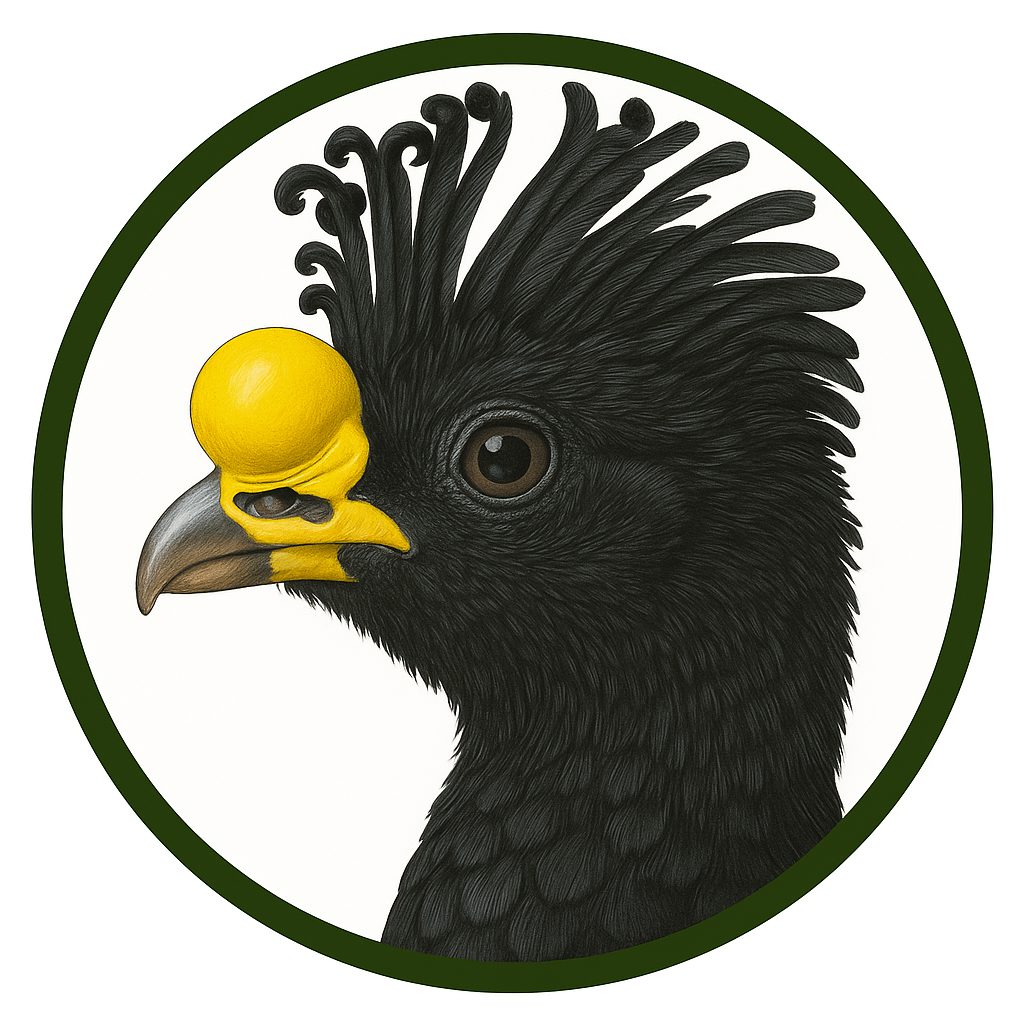
The great curassow (Crax rubra) is a species of galliform bird of the family Cracidae found in the forests of southern Mexico, Central America and South America (eastern Colombia, Ecuador and the Amazon).
| Kingdom | Animalia |
| Phylum | Chordata |
| Class | Aves |
| Order | Galliformes |
| Family | Cracidae |
| Genus | Crax |
| Species | Crax rubra |
The great curassow (Crax rubra) is a species of galliform bird of the family Cracidae found in the forests of southern Mexico, Central America and South America (eastern Colombia, Ecuador and the Amazon). It reaches a length of 91 cm and a weight of 4.5 to 5 kg.
Sexual dimorphism is complemented by polymorphism in females: there are three types of female (with a white, streaked head and neck; with a black head and reddish-chestnut plumage; and with a black head and dark brown plumage), all with a rufous tail with white bars, a yellowish bill and whitish legs. Males have a large yellow knob on the bill, glossy black plumage with a white belly, and greyish legs.
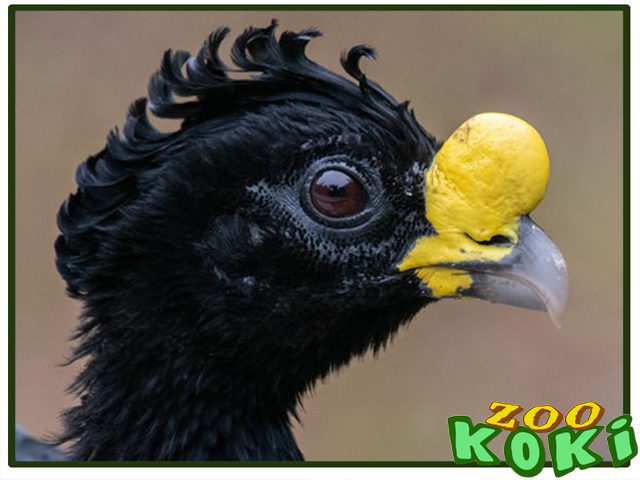
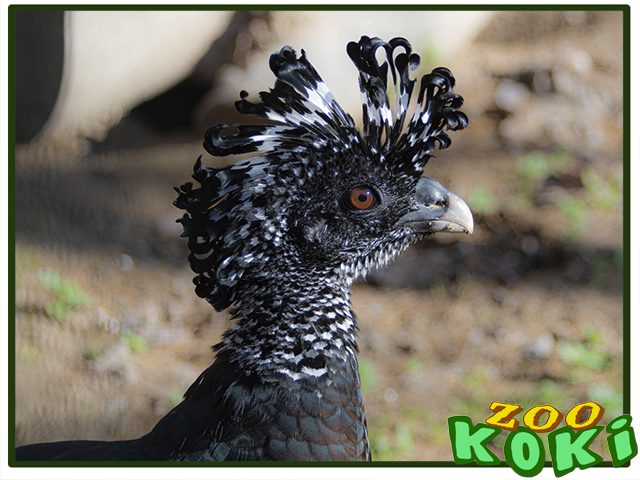
It inhabits lowland tropical rainforests and humid forests of southern Mexico, Central America and northern South America, including eastern Colombia, Ecuador and the Amazon basin.
It feeds mainly on fruit and seeds gathered from the forest floor, supplementing its diet with arthropods.
It is a monogamous species that breeds between February and June. It builds a bulky nest of branches, dry leaves and moss, set 3 to 6 metres up in the trees, where the female usually lays two large white eggs with thick, rough shells, which she incubates alone for about 32 days.
The curious yellow knob that males sport on the bill grows with age and is thought to act as a visual signal of status and good condition to females.
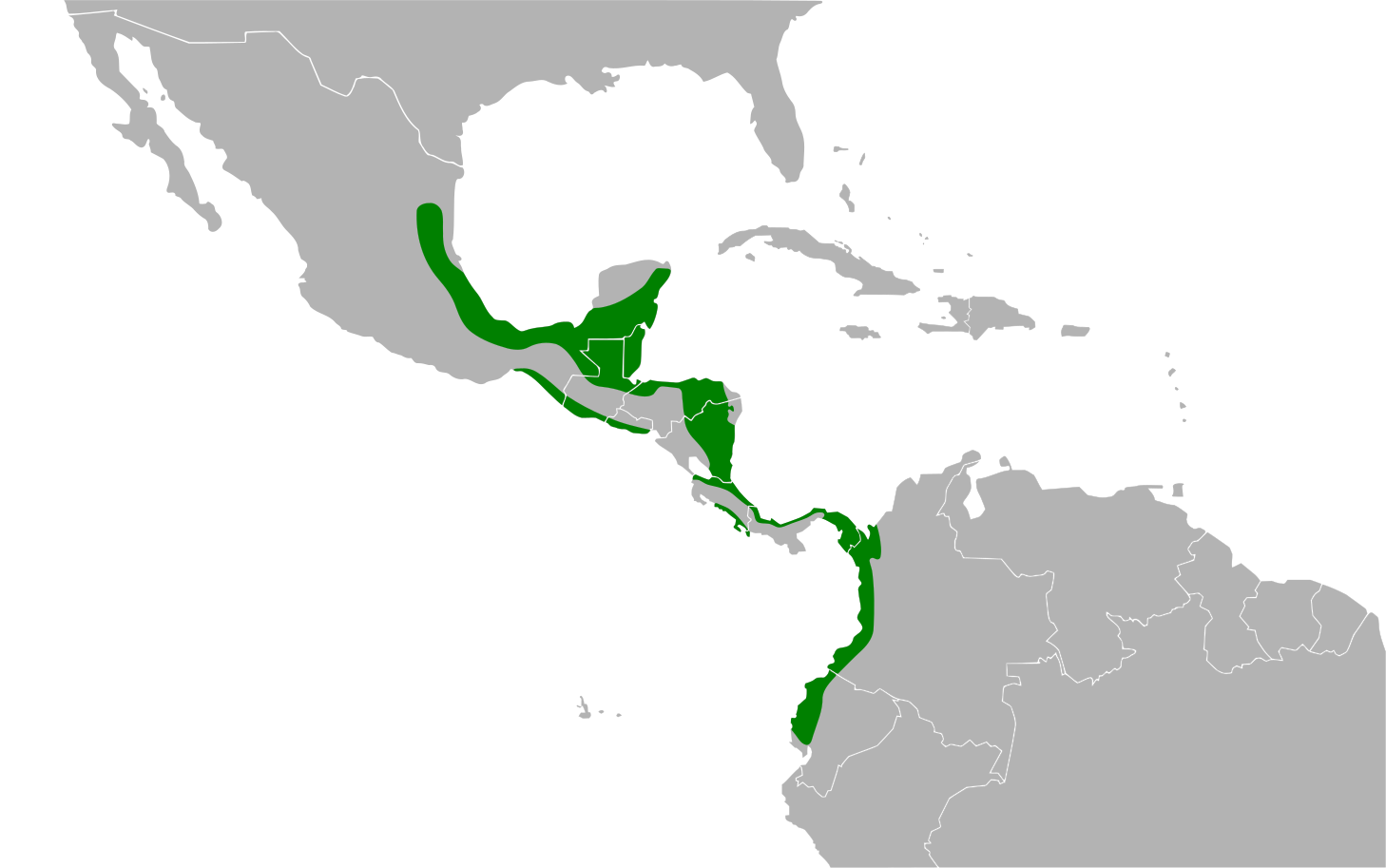 Source: Wikimedia Commons — Crax rubra map.svg