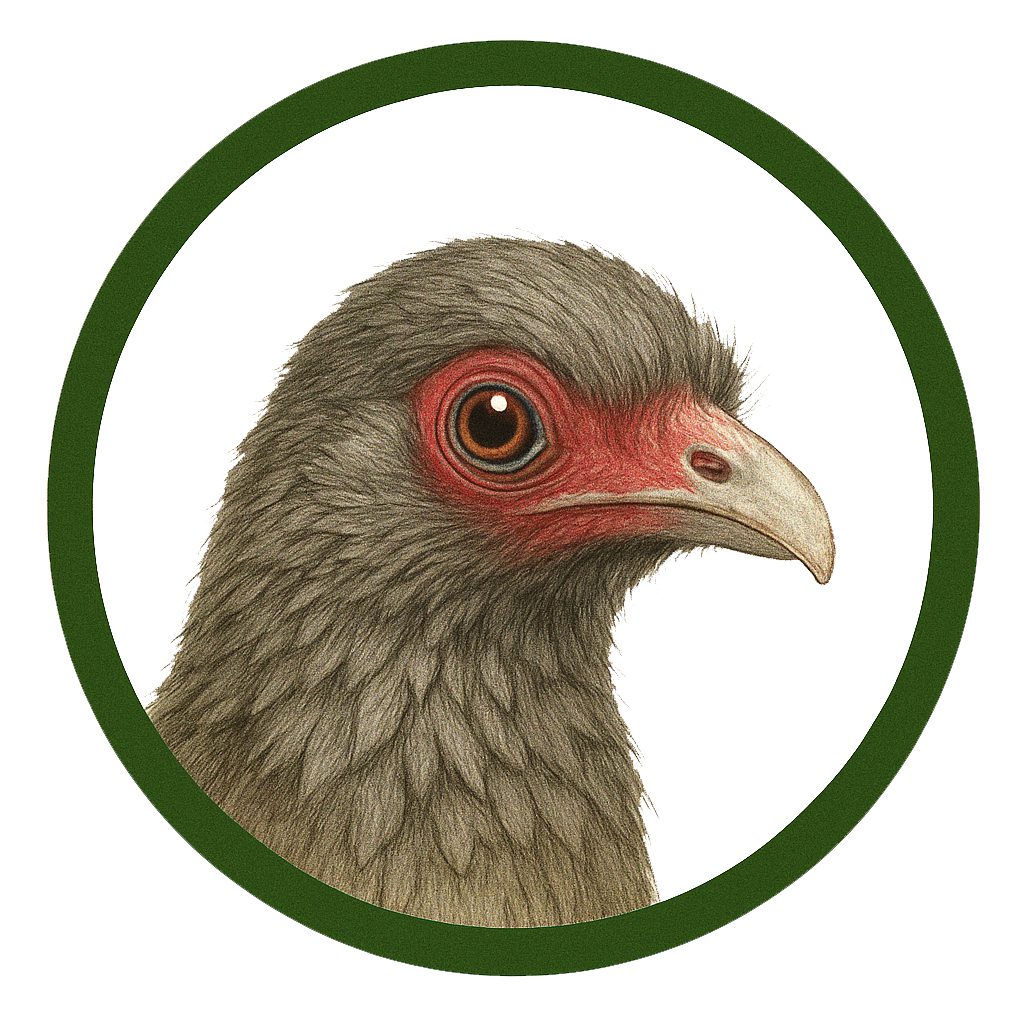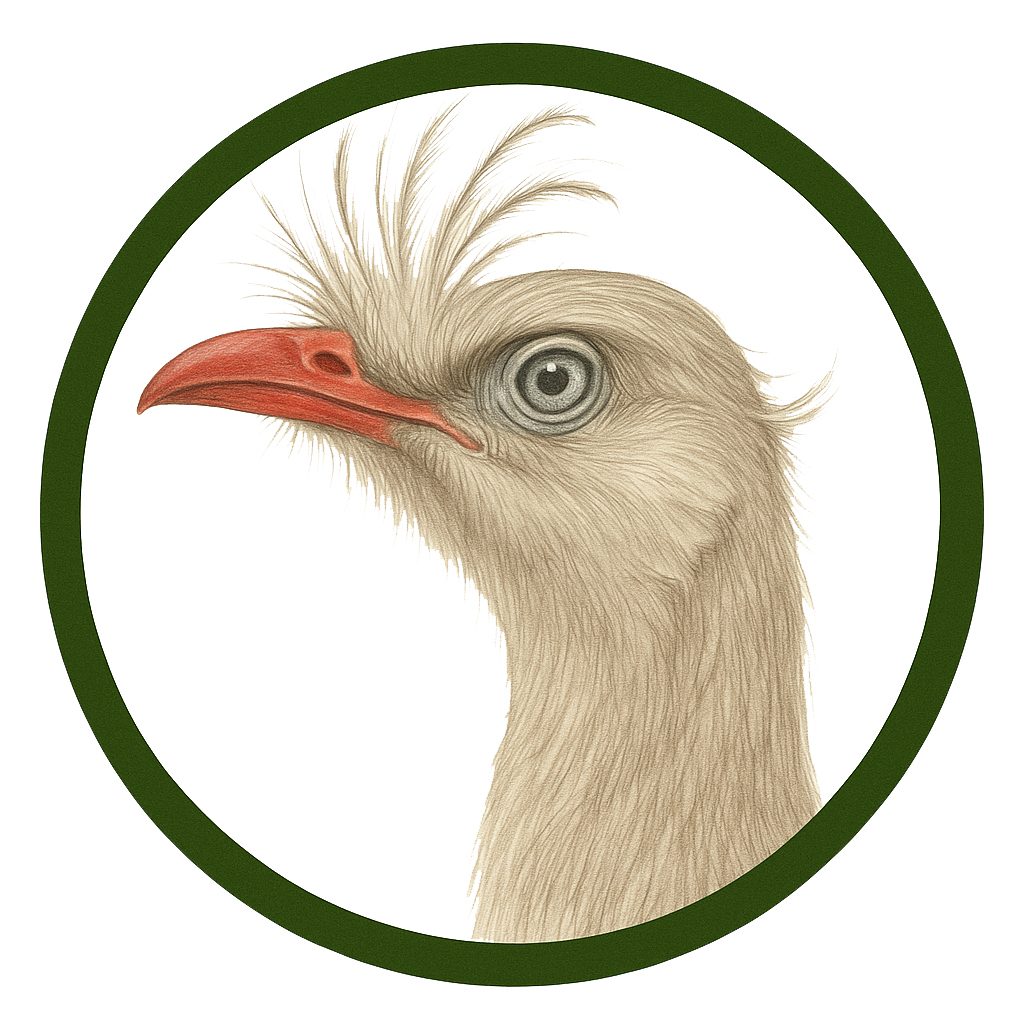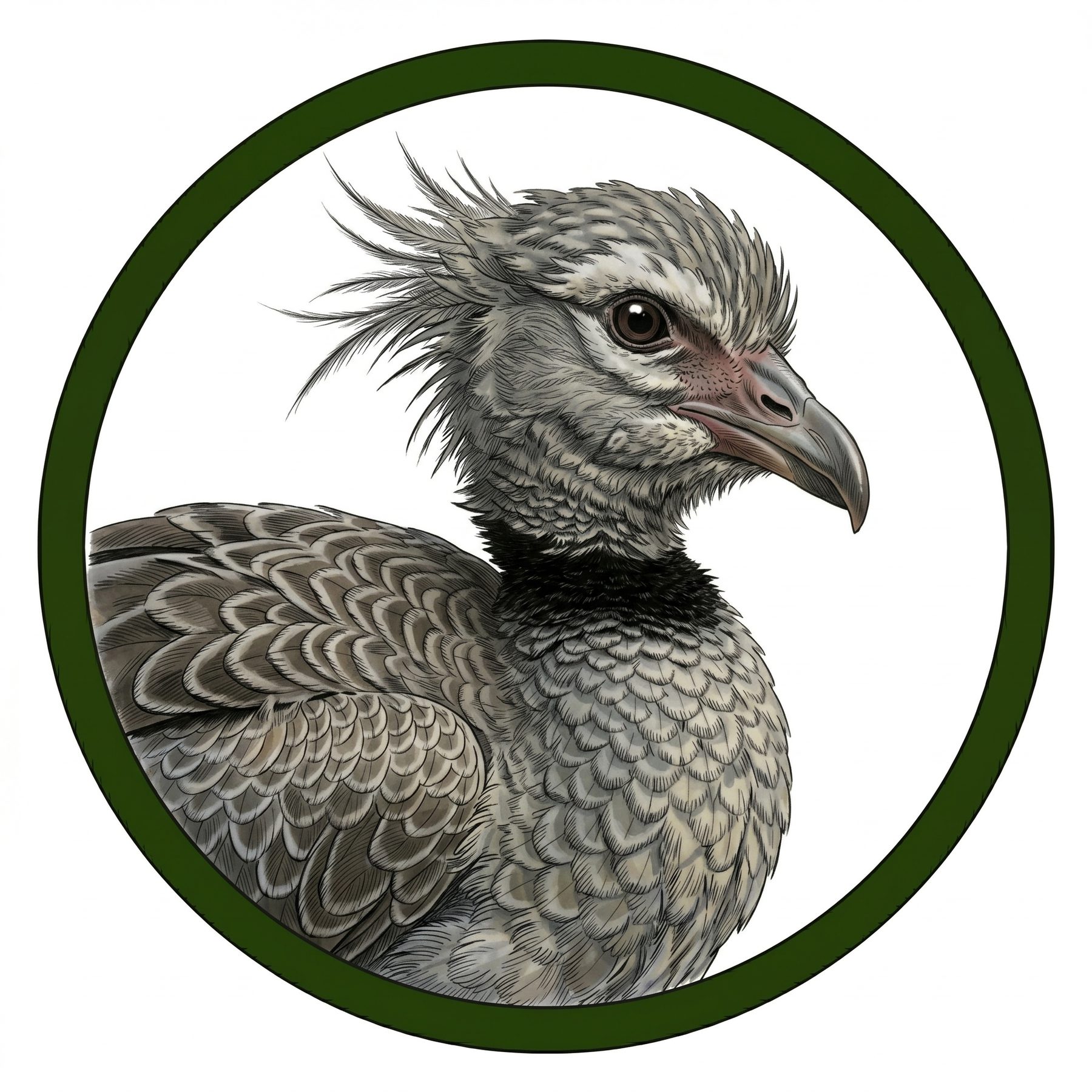
The southern screamer[2] (Chauna torquata) is a bird of the order Anseriformes and the family Anhimidae that lives across much of southern and central South America.[3] It is large, about 75 cm from bill to tail, and is considered a symbol of the pampas.
| Kingdom | Animalia |
| Phylum | Chordata |
| Class | Aves |
| Order | Anseriformes |
| Family | Anhimidae |
| Genus | Chauna |
| Species | Chauna torquata |
The southern screamer[2] (Chauna torquata) is a bird of the order Anseriformes and the family Anhimidae that lives across much of southern and central South America.[3] It is large, about 75 cm from bill to tail, and is considered a symbol of the pampas. It is a member of a family of birds found only in South America and is related to swans and geese, although at first glance it resembles neither group.
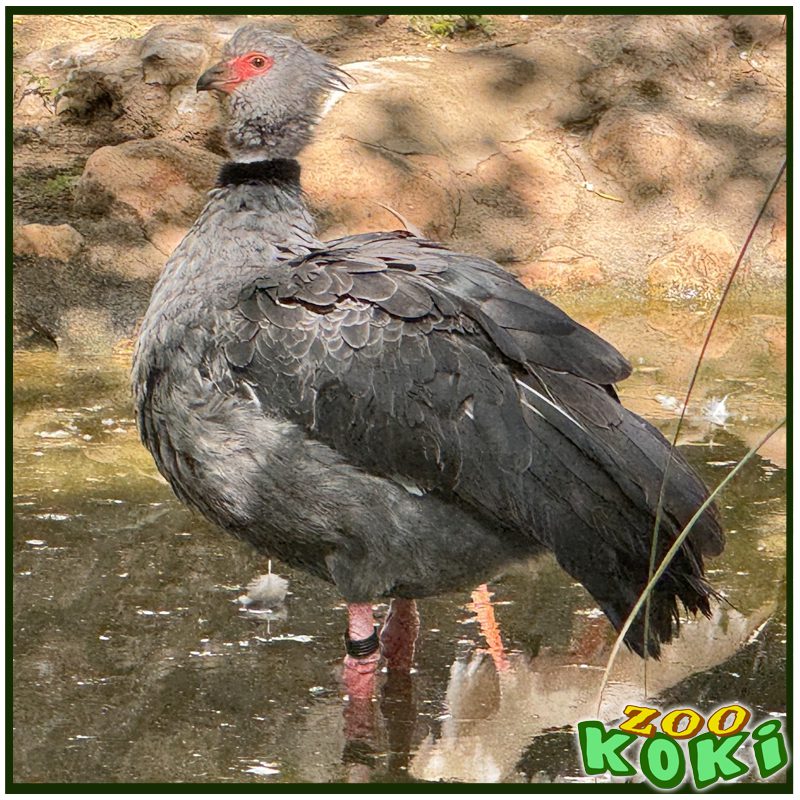
They can be seen soaring at great height or near lagoons and ponds. They eat plant matter while wading in shallow water, and their nest is a large platform of reeds in which they lay up to 6 eggs.
It is a herbivorous bird that feeds preferably on green shoots and soft plants. It is persecuted by farmers and ranchers, who regard it as a threat to the forage grasses that make up pasture, as well as to crops and winter cereals during their establishment period.
Pairs form lifelong bonds. Both partners build the nest near water, using reeds and vegetation. They lay between 2 and 7 eggs (usually 3-5), which both parents incubate for about 43-46 days. The chicks become independent a few weeks after leaving the nest.
Their calls can be heard from more than 2-3 km away, which is why they were used as “living alarms” to protect poultry.
They have bony spurs on each wing that they use to defend themselves against predators or rivals.
Despite its sturdy appearance and large size, its meat is not highly prized because it contains many air sacs and is not very tasty.