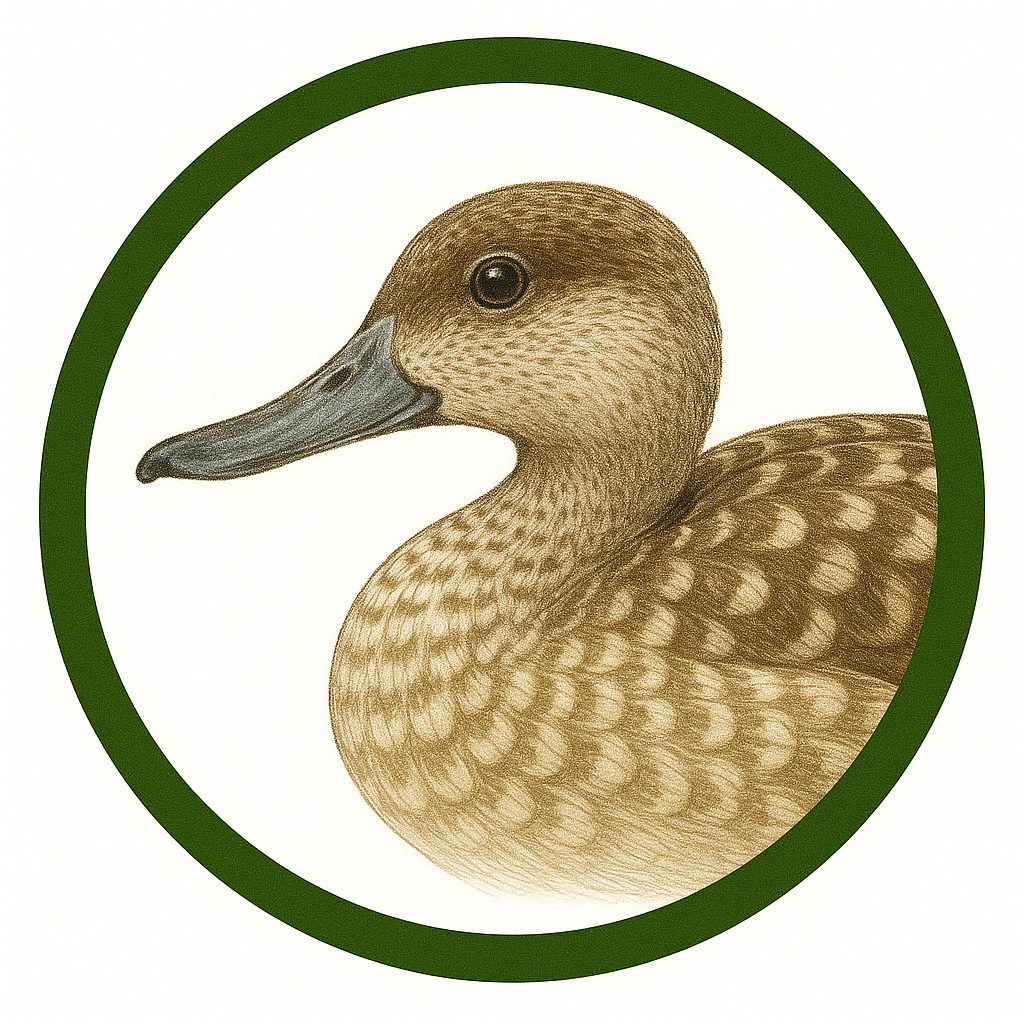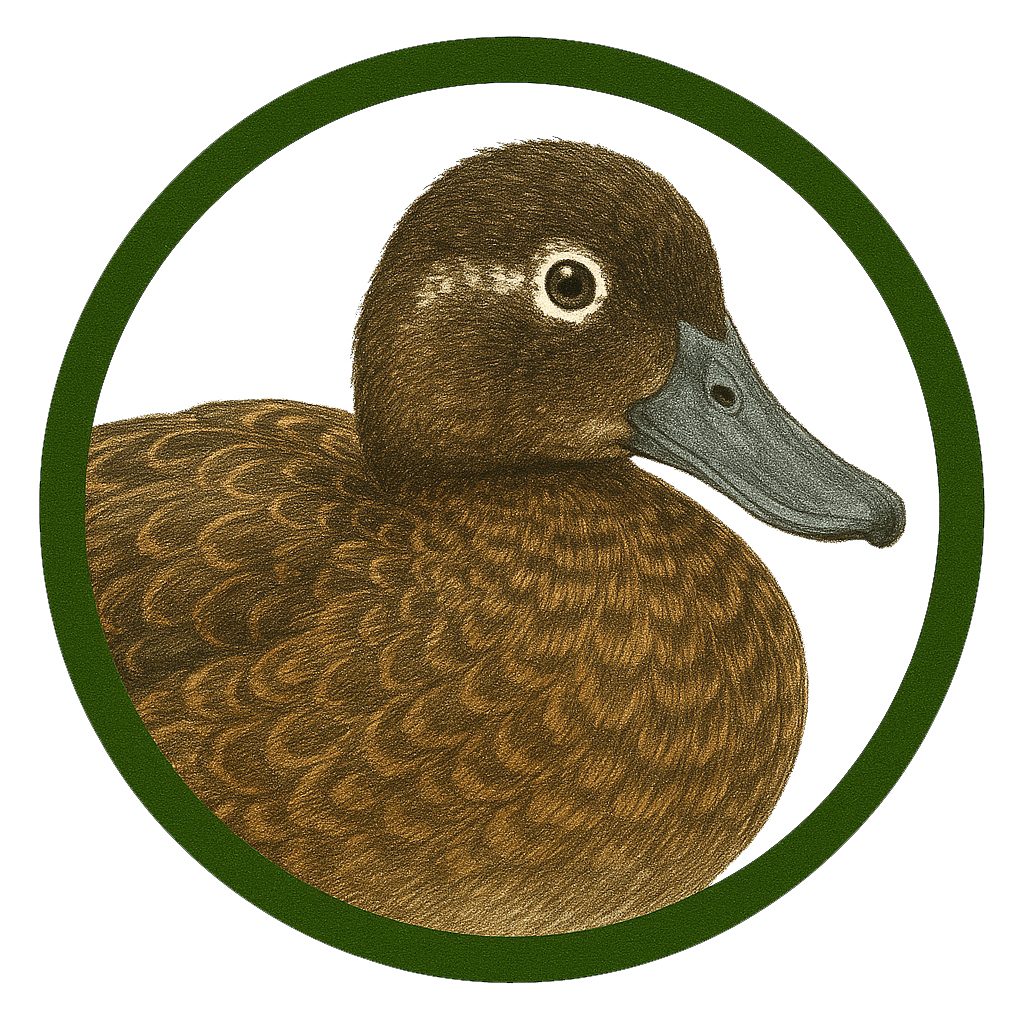
The Laysan teal is a sociable and very tame duck. Males have an irregular white patch on the head whose size varies with age: it is larger in older birds.
| Kingdom | Animalia |
| Phylum | Chordata |
| Class | Aves |
| Order | Anseriformes |
| Family | Anatidae |
| Genus | Anas |
| Species | Anas laysanensis |
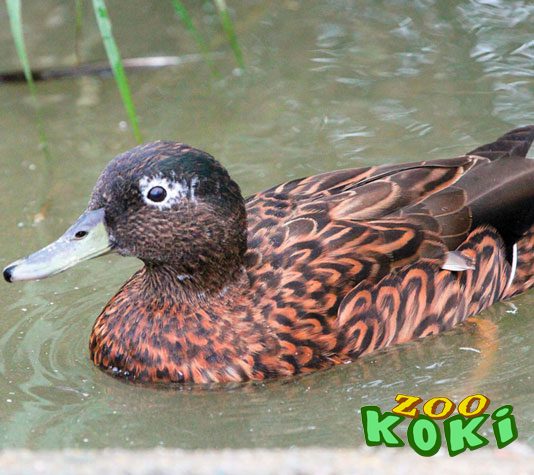
The Laysan teal is a duck with a sociable and very tame nature. Males have an irregular white patch on the head whose size varies with age: it is larger in older birds. Females, for their part, tend to have a darker belly than males. Unlike many other duck species, this teal keeps the same plumage colours all year round, with no conspicuous seasonal moult.
It is a species endemic to Laysan Island, in the Hawaiian archipelago, where it lives all year round both on the coast and around the island's inner lagoon. Because of its extremely small original range, supplementary populations have been established on Midway Atoll in recent decades to reduce the risk of extinction.
It feeds mainly on small aquatic invertebrates, seeds and snails, as well as fly larvae and pupae, which it catches by filtering water or mud through its bill; it is not a diving or actively swimming species.
Pair formation begins in autumn and nest building in spring. The female builds a well-hidden nest on the ground, under dense vegetation (especially among clumps of the grass Eragrostis variabilis), in the form of a shallow bowl lined with dry grass and down. The clutch averages 4 eggs in the original Laysan population (somewhat larger in the Midway population), and incubation, carried out by the female alone, lasts an average of 28 days.
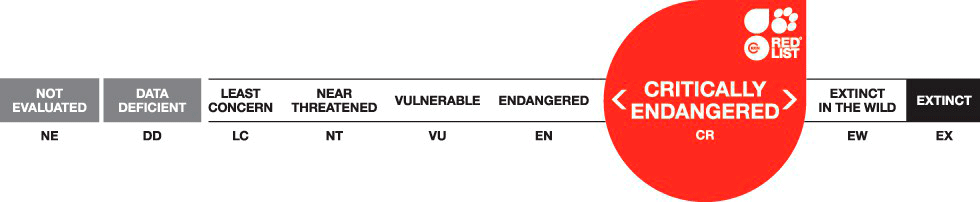
The Laysan teal is classed as Critically Endangered by the IUCN: in the early 20th century, the introduction of European rabbits to its island destroyed the vegetation it depended on, and the population fell to just 12 individuals in 1912, making it one of the rarest waterbirds on the planet.
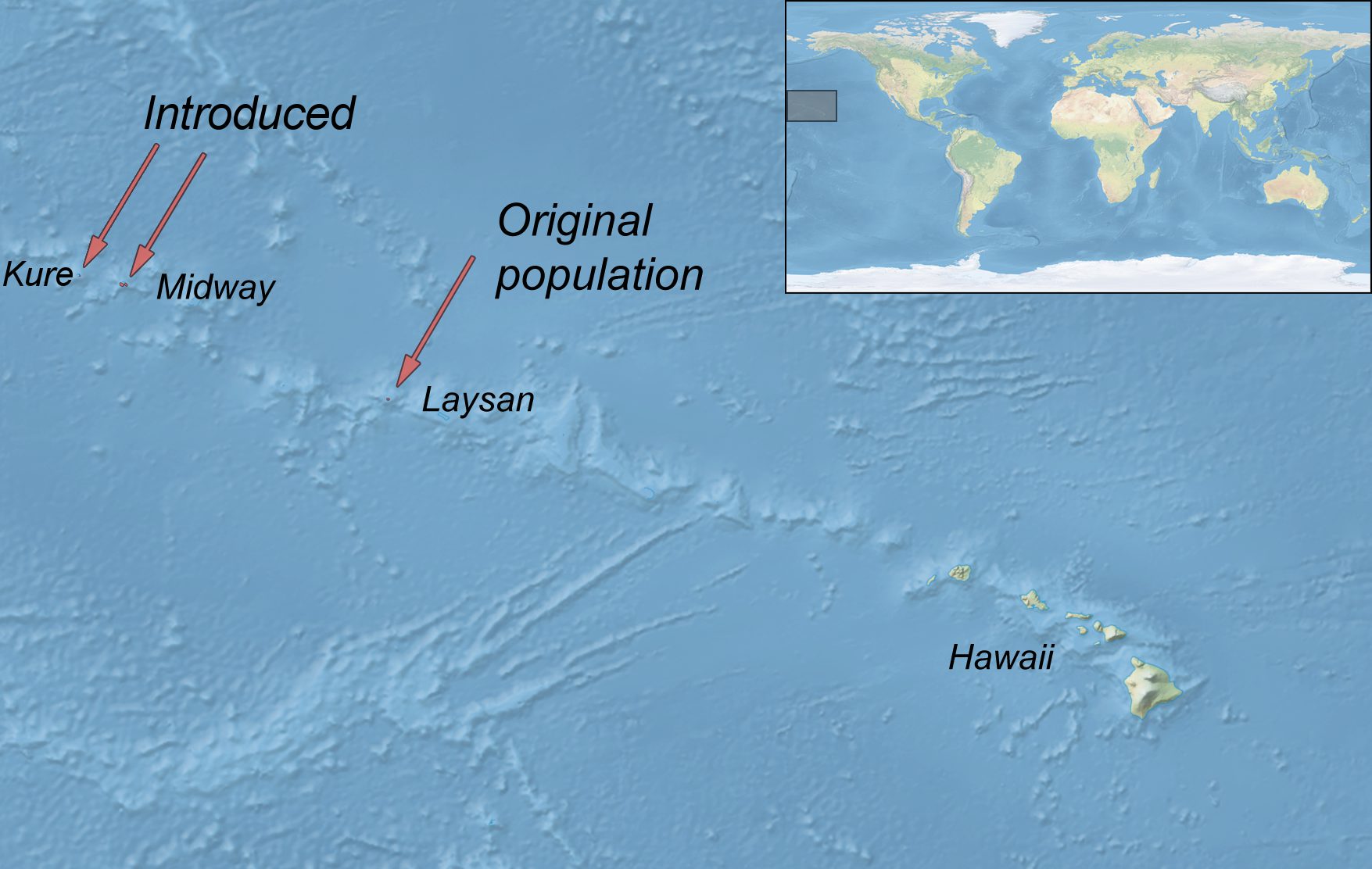 Source: Wikimedia Commons — Anas laysanensis distribution map.png