
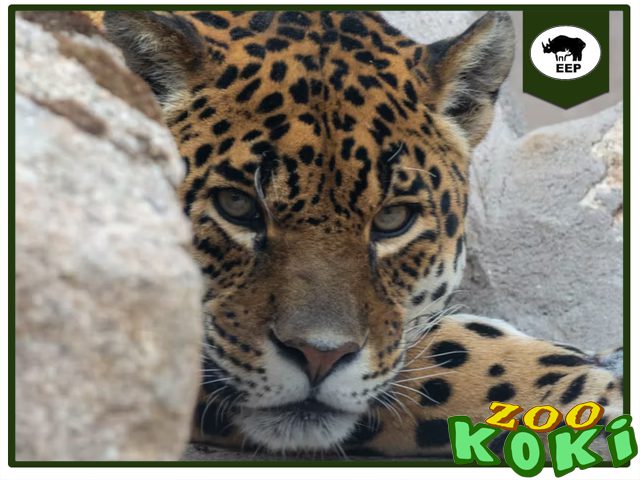
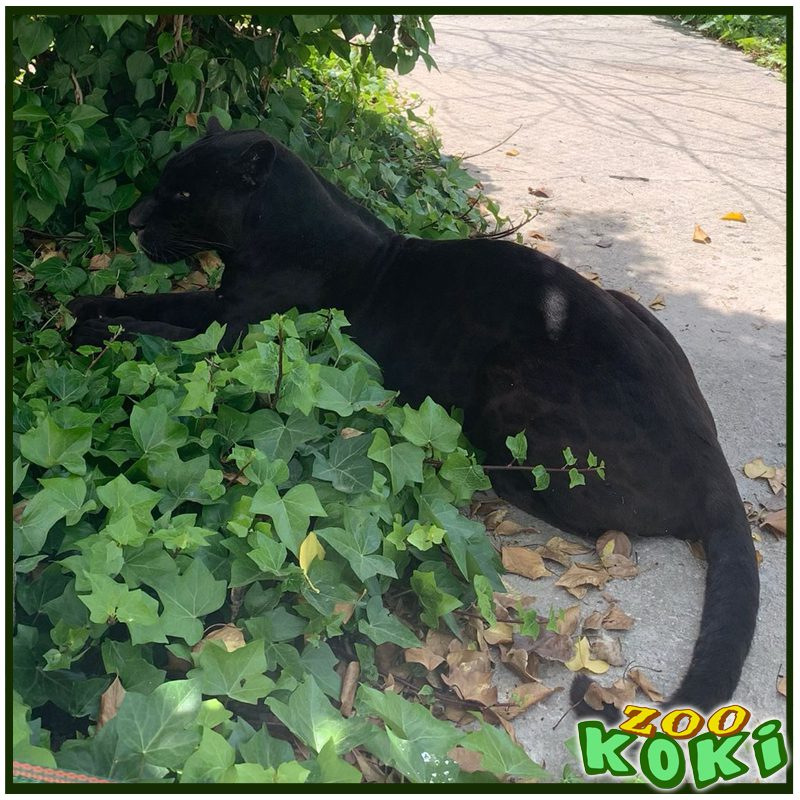
The jaguar, also known as the yaguar or yaguareté (Panthera onca), is a feline carnivore of the genus Panthera and the only one of the four living species of this genus found in the Americas.
| Kingdom | Animalia |
| Phylum | Chordata |
| Class | Mammalia |
| Order | Carnivora |
| Suborder | Feliformia |
| Family | Felidae |
| Subfamily | Pantherinae |
| Genus | Panthera |
| Species | Panthera onca |

The jaguar, also known as the yaguar or yaguareté (Panthera onca), is a feline carnivore of the genus Panthera and the only one of the four living species of this genus found in the Americas.


Its current range extends from northern Mexico and much of Central America to Peru, Paraguay and northern Argentina, apart from some populations in Arizona (south-west of Tucson).
The jaguar's favourite prey includes capybaras, deer, young tapirs, peccaries and pacas. But it also hunts small rodents, lizards and snakes, caimans, freshwater turtles and their eggs, amphibians, large boas, monkeys, sloths and fish.
Jaguar births in captivity are really rare. A litter normally has about 3 cubs; when there is only one, its head grows too large and problems can occur during birth.
During the first two thirds of gestation, miscarriages are quite common. The pregnant female needs to lead a sedentary, relaxed life, eat well and not get frightened.
The jaguar is the largest feline in the Americas and the third largest in the world (after the lion and the tiger), and it is also the only representative of the genus Panthera found on this continent. It lives everywhere from almost desert areas such as the Arizona Desert or the Mexican highlands to tropical rainforests such as the Amazon. The jaguar is a feline that stirs strong feelings in people because of its beauty and strength, but unfortunately this does not make it immune to threats to itself and to its environment.

We take part in the breeding programme: EEP (since 2008)
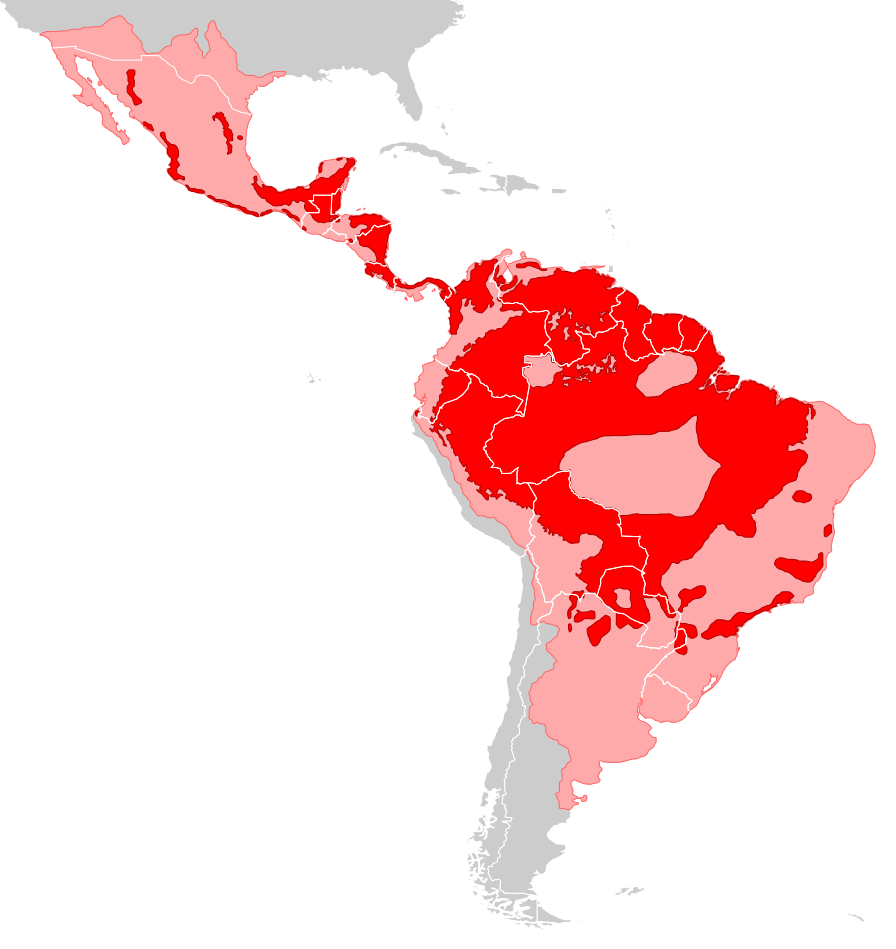 Source: Wikimedia Commons — Panthera onca distribution.svg