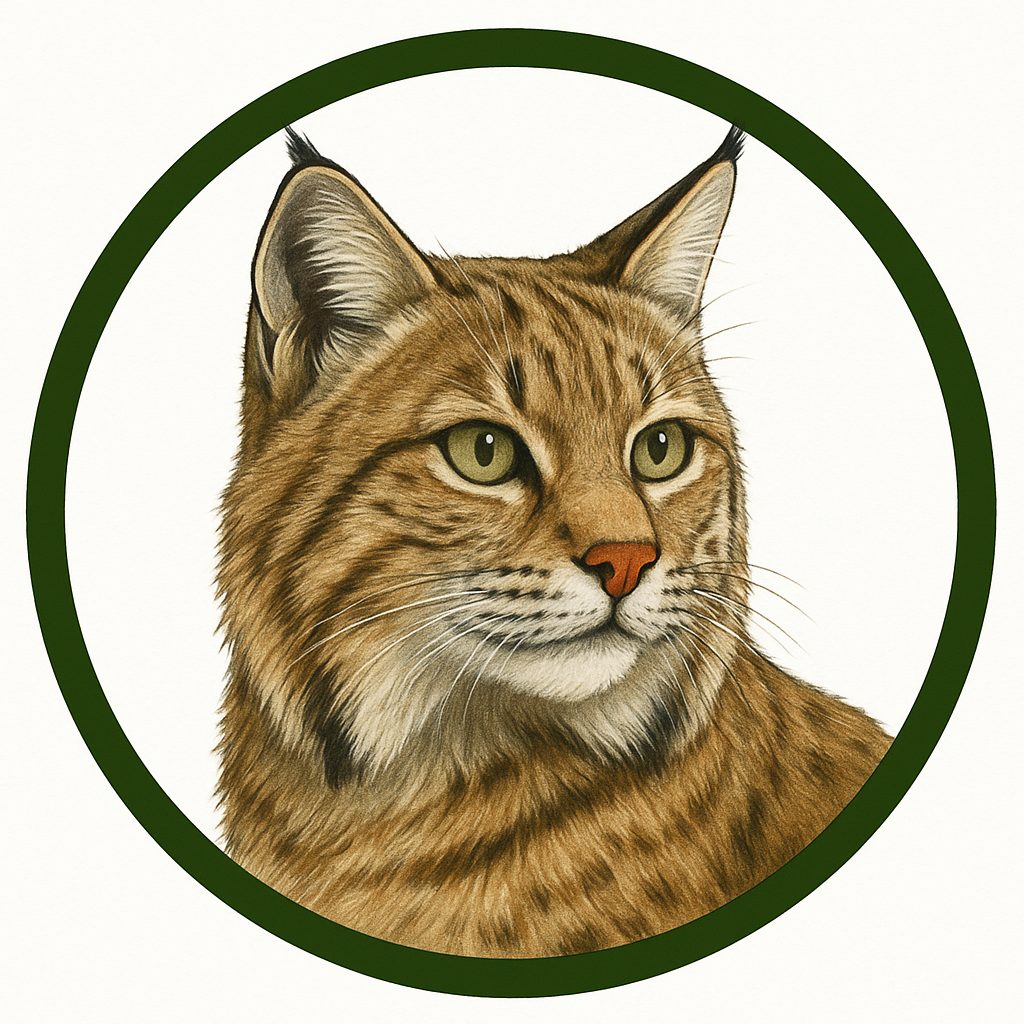
is a species of carnivorous mammal in the family Felidae, one of the two species of lynx found in North America.
| Kingdom | Animalia |
| Phylum | Chordata |
| Class | Mammalia |
| Order | Carnivora |
| Suborder | Feliformia |
| Family | Felidae |
| Subfamily | Felinae |
| Genus | Lynx |
| Species | Lynx rufus |
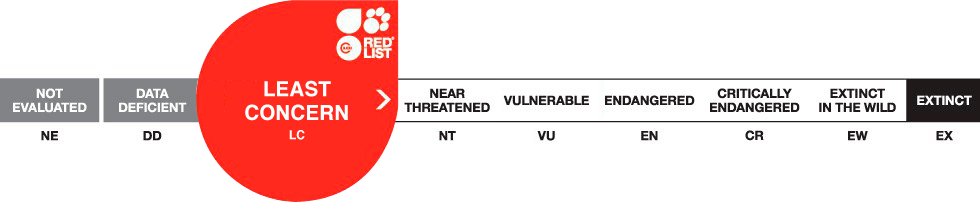
is a species of carnivorous mammal in the family Felidae, one of the two species of lynx found in North America. It remains in part of its original range, but populations are vulnerable to local extinction (“extirpation”) because of coyotes and domestic animals.
Although bobcats have been hunted extensively by humans, both for sport and for their fur, their population has proved resilient, although it is declining in some areas.
Thirteen subspecies of bobcat have historically been recognised on the basis of morphological characteristics:
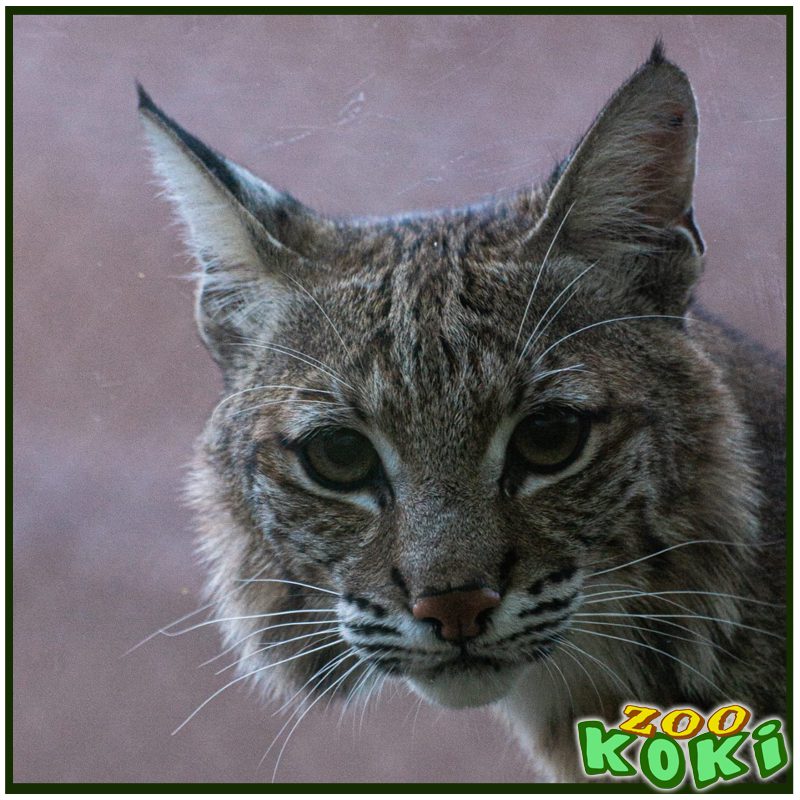
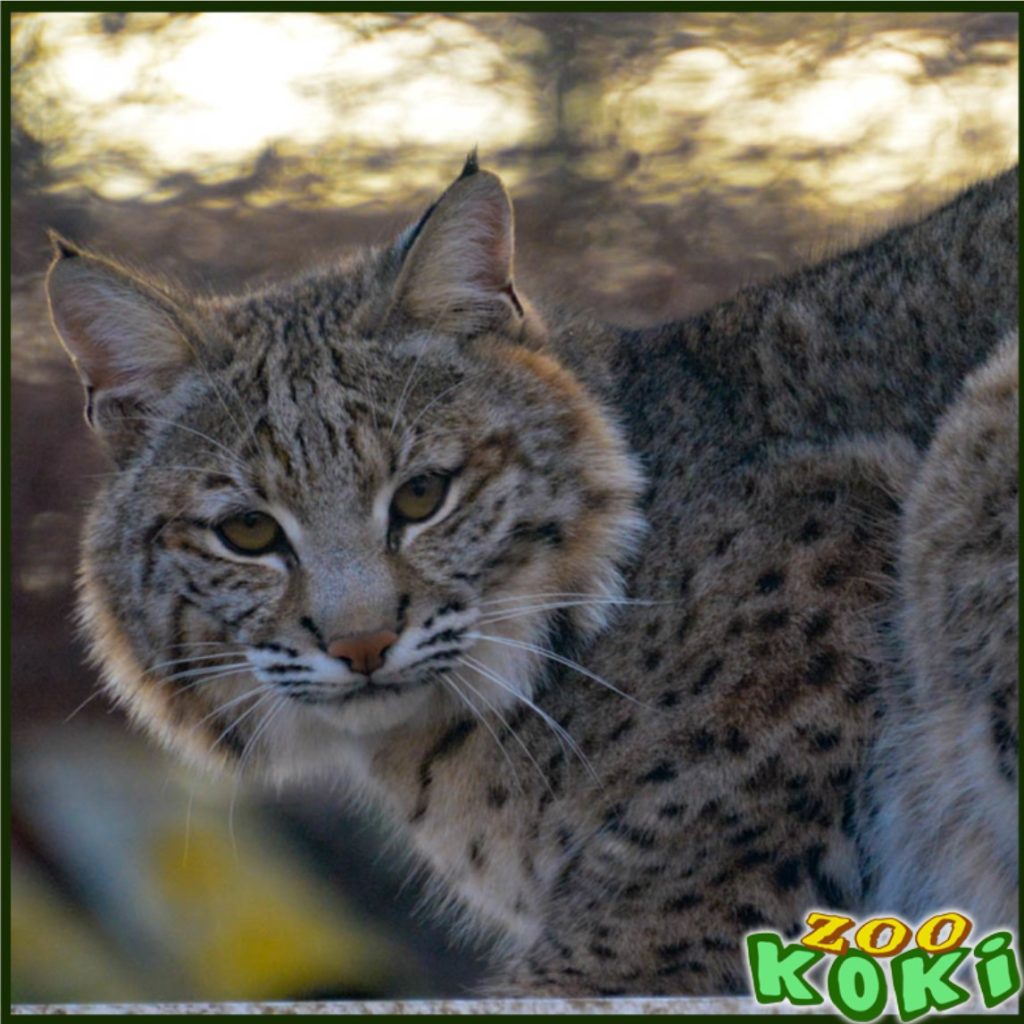
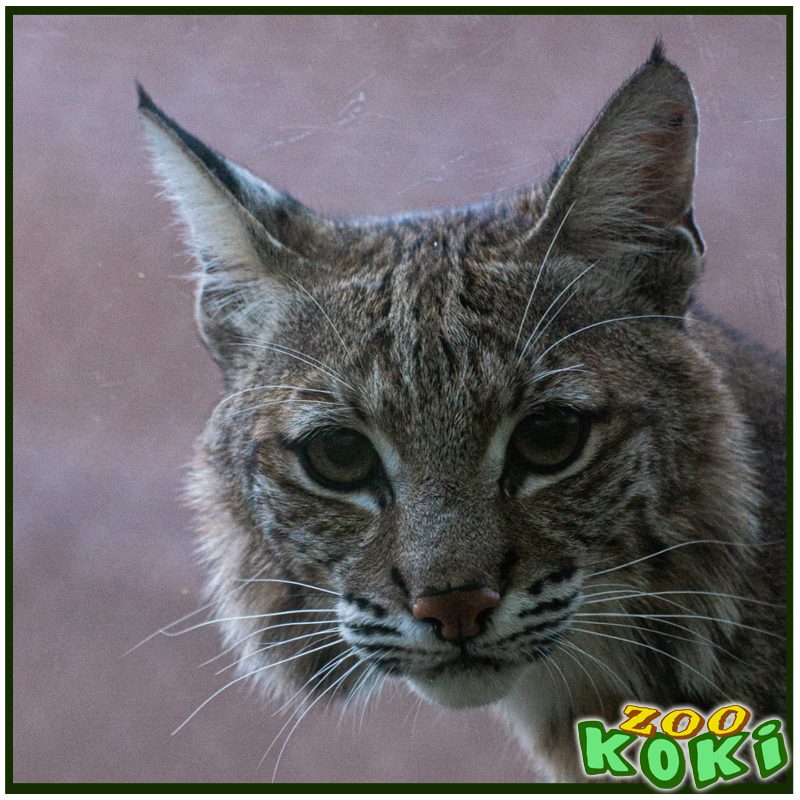
It is found in a wide variety of habitats, ranging from boreal forests in the north of its range to scrubland and semi-deserts in the south. By contrast, it avoids extensive farmland and grasslands. It usually takes shelter and breeds in areas of dense vegetation, rocky outcrops, caves and other covered places.
It feeds mainly on hares and rabbits and, to a lesser extent, on rodents and ungulates. Occasionally it behaves as a scavenger, feeding on prey killed by other predators. Although it prefers to feed on rabbits and hares, it hunts everything from insects and small rodents to deer. The choice of prey depends on location, habitat and season, as well as on how abundant that prey is.
Males usually cover the territory of one or several females, showing polygynous behaviour. The bobcat's mating season is between February and March (although it can vary with latitude, from winter to spring), and the gestation period is approximately two months (the young are born two months after conception). The cubs stay with their mother until they are about nine months old, when they become independent and disperse in search of their own territory.
The bobcat is thought to have evolved from the Eurasian lynx, which crossed into North America over the Bering land bridge during the Pleistocene, with the arrival of ancestors some 2.6 million years ago. The first wave moved into the southern part of North America, which was soon cut off from the north by glaciers. This population evolved into the modern bobcats about 20,000 years ago. A second population arrived from Asia and settled in the north, becoming the modern Canada lynx. Hybridisation between the bobcat and the Canada lynx can sometimes occur.
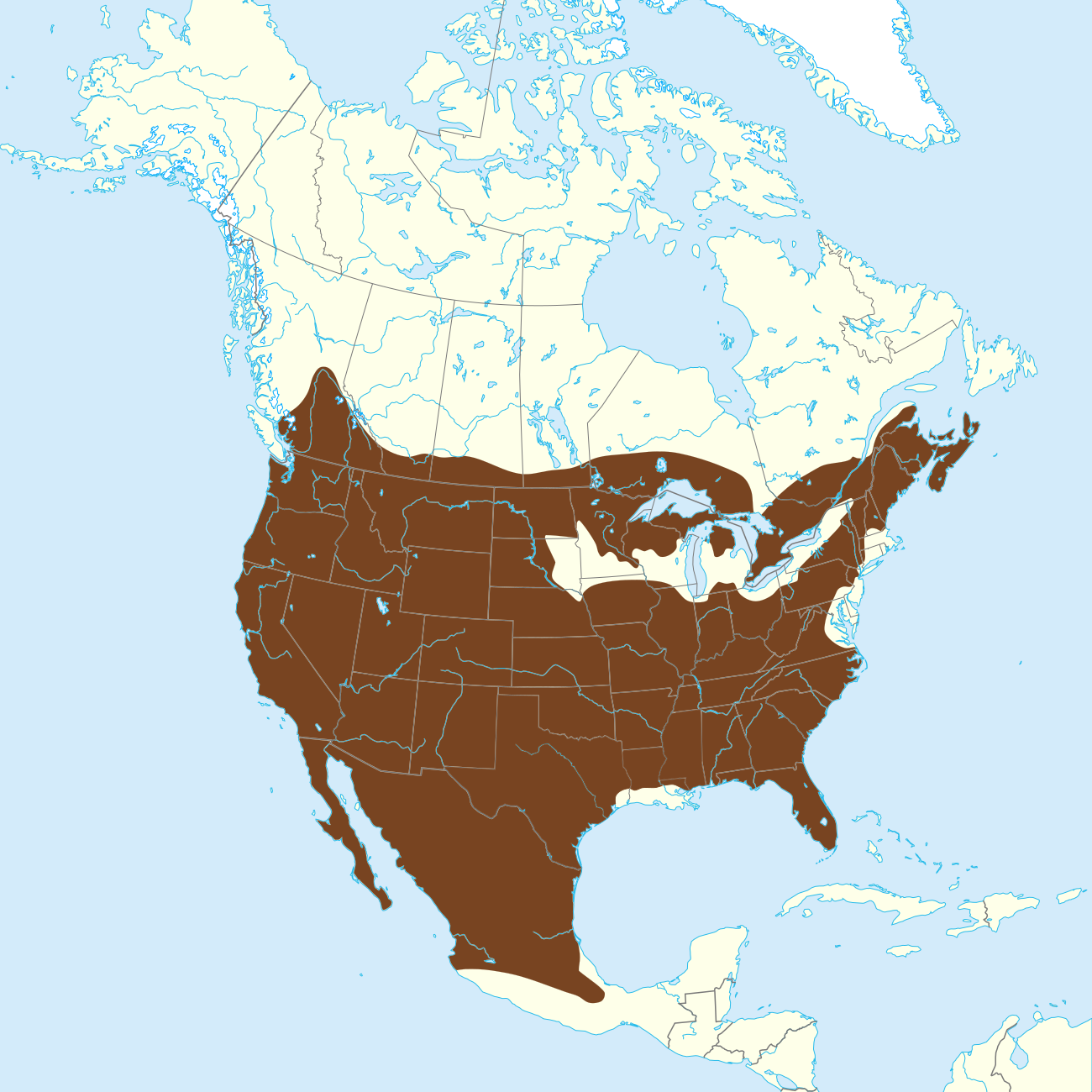 Source: Wikimedia Commons — Lynx rufus map.svg