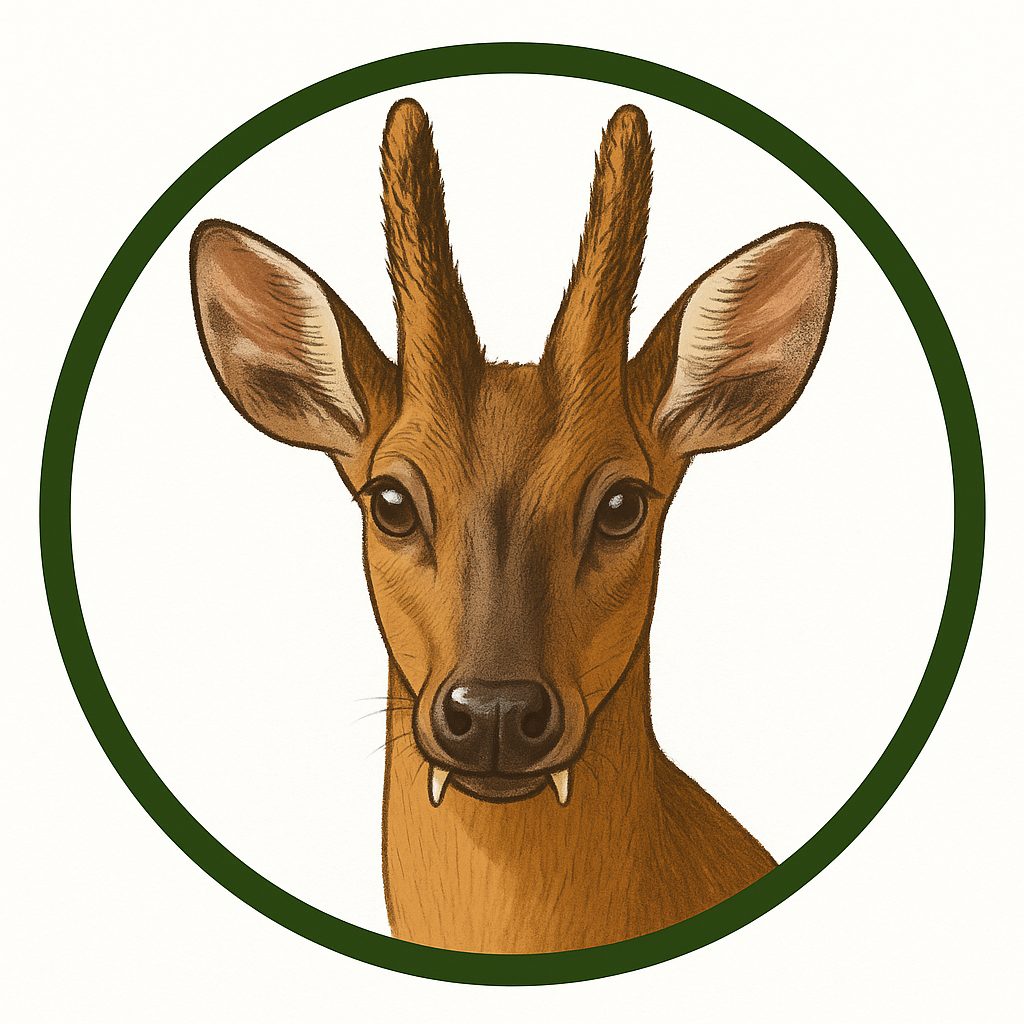
Reeves's muntjac or Chinese muntjac (Muntiacus reevesi) is a small deer native to south-eastern Asia, also known as the "barking deer" because of the bark-like sound it makes, especially during the rut or when threatened.
| Kingdom | Animalia |
| Phylum | Chordata |
| Class | Mammalia |
| Order | Artiodactyla |
| Family | Cervidae |
| Genus | Muntiacus |
| Species | Muntiacus reevesi |
Reeves's muntjac or Chinese muntjac (Muntiacus reevesi) is a small deer native to south-eastern Asia, also known as the "barking deer" because of the bark-like sound it makes, especially during the rut or when threatened. Unlike other deer, it is omnivorous: besides vegetation, it eats fruit, shoots, seeds, birds' eggs and even small animals, helped by its large, tusk-like upper canines, which are especially well developed in males, who use them as a defensive weapon alongside their small antlers.
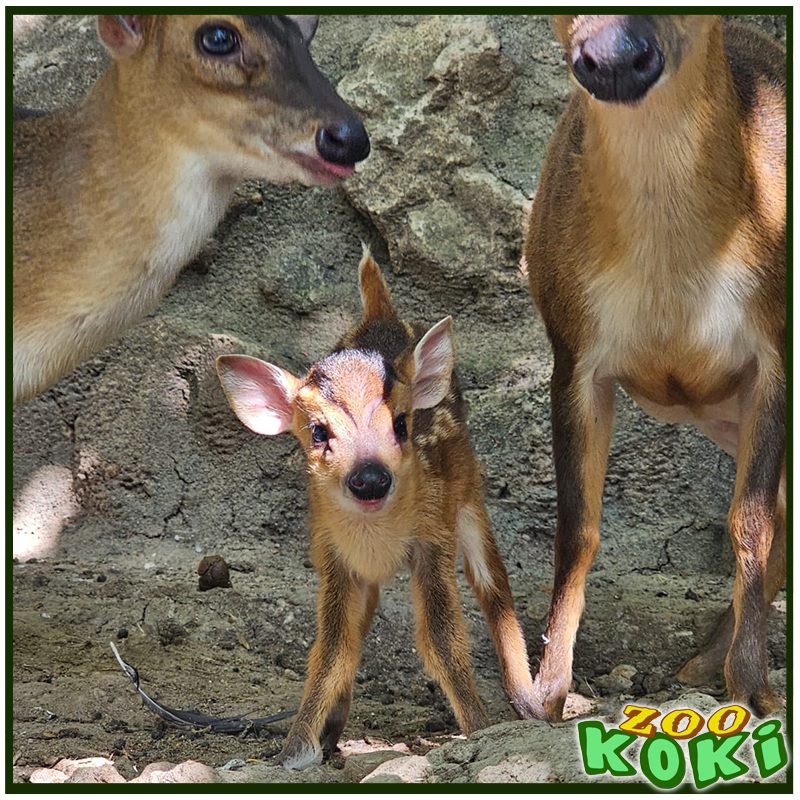
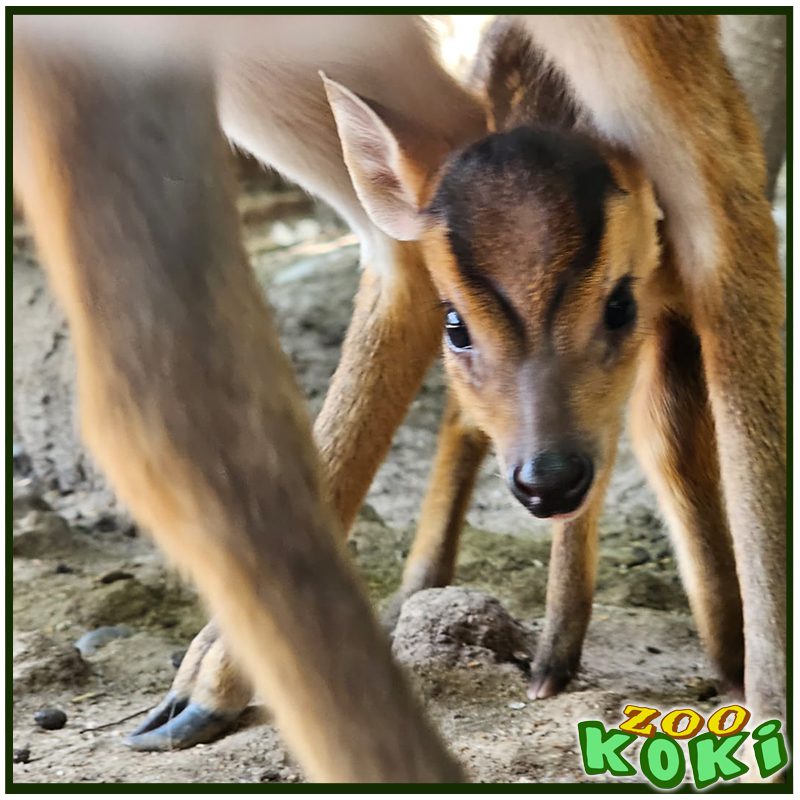
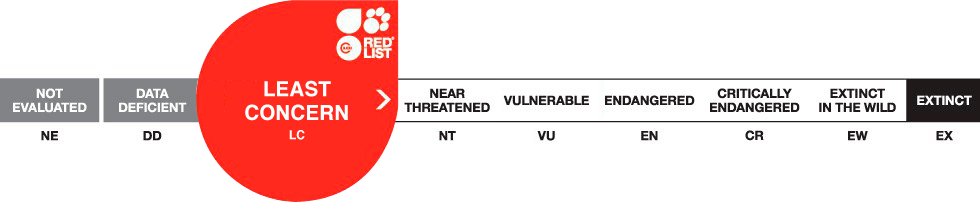
It is found across south-eastern Asia, including south-eastern China and Taiwan, living in habitats ranging from savannah plains and grasslands to tropical forests and mountainous areas of the Himalayas. It is a solitary, territorial animal that moves around in search of food and shelter, though it always stays close to sources of water. The size of its wild population is not precisely known, but it is not considered a threatened species: it adapts well to environmental change and is still hunted in some areas, although not intensively.
It is omnivorous: it feeds on fruit, shoots, seeds, herbs and birds' eggs, and occasionally catches small animals with the help of its prominent canines.
Females reach sexual maturity at around 2 years old, while both sexes can be fertile from as early as 6 to 12 months. Males are territorial and fight for the right to mate with a harem of up to 6 females, which can happen a couple of times a year if food is plentiful; the main breeding season runs from January to March. After mating, gestation lasts about 6-7 months and normally a single fawn is born, although twins can occur; the mother suckles it for about 2 months and looks after it until it is 6 months old.
Both sexes have tusks, but it is the males that develop the longer ones; they settle their territorial disputes with these, rather than with their tiny antlers, which makes this species one of the few deer that fight by biting.