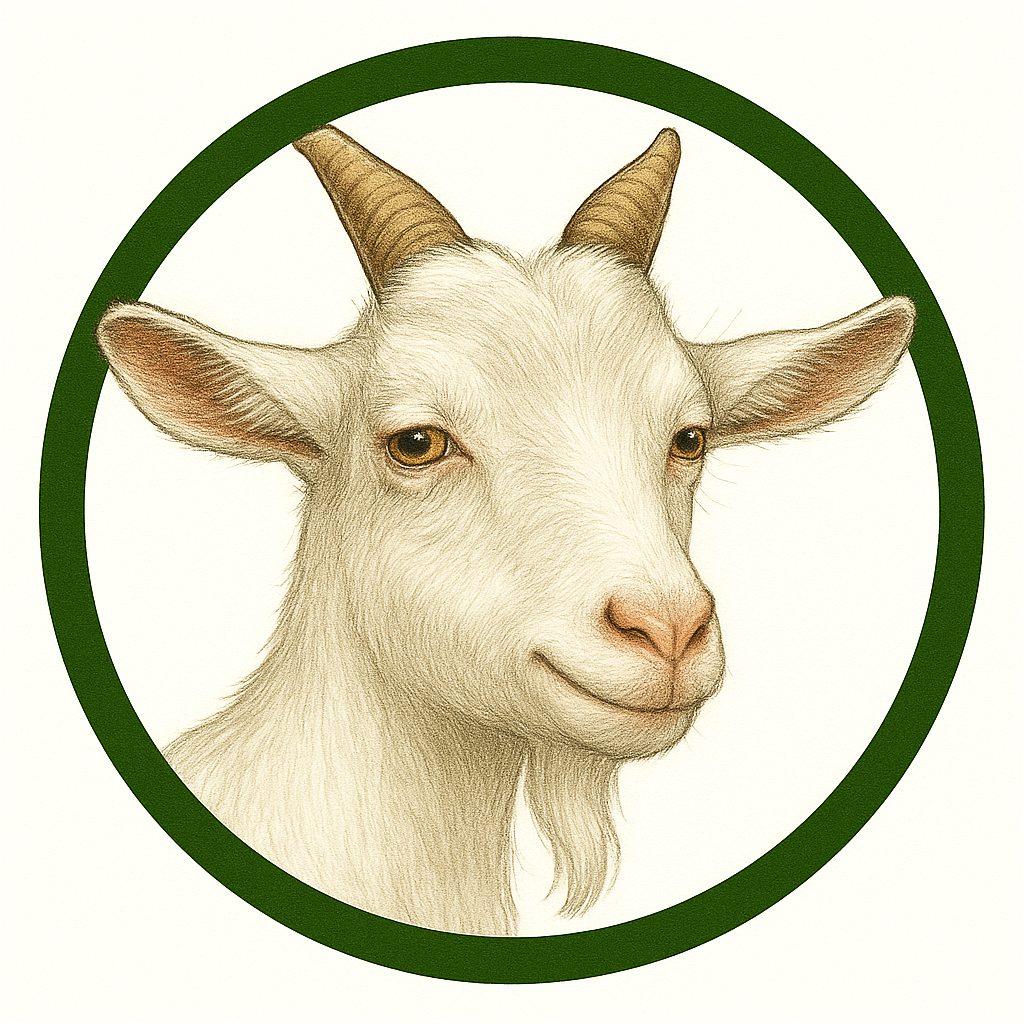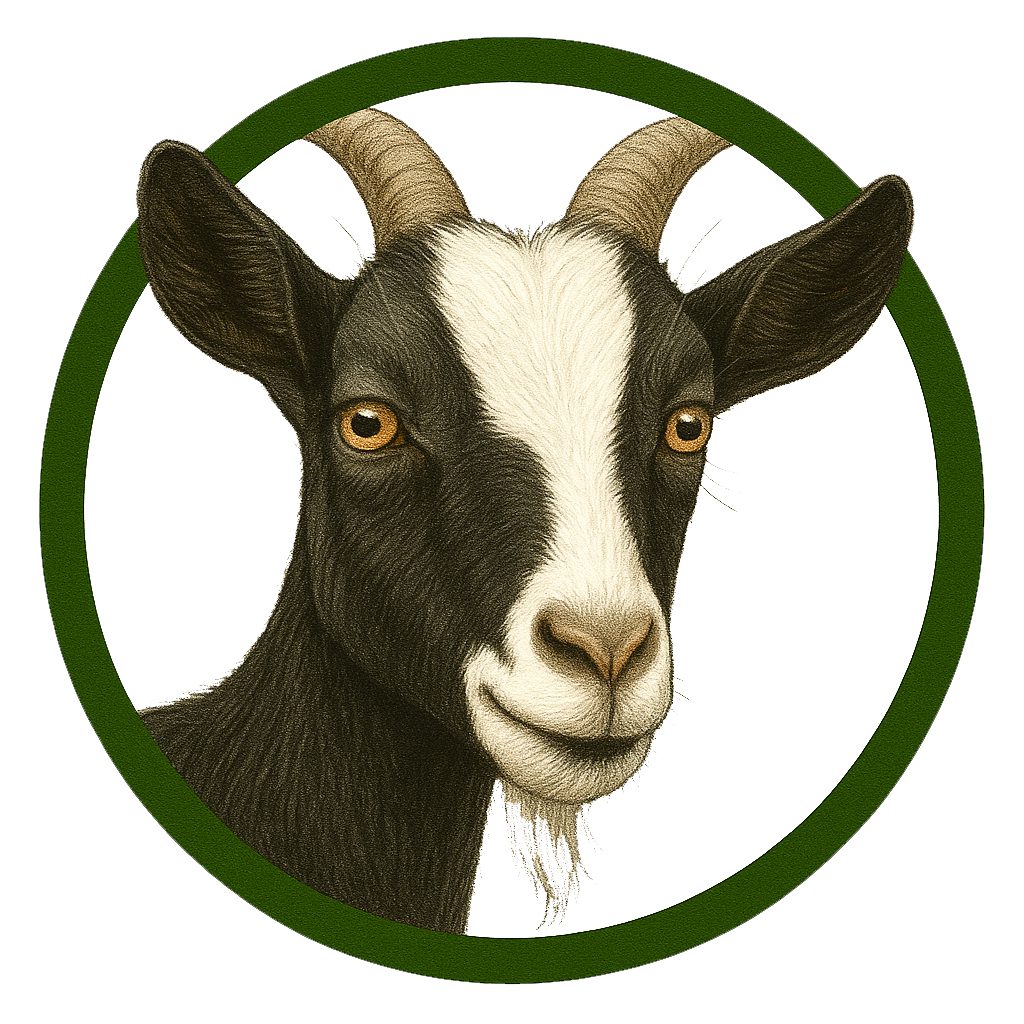
The goat is an artiodactyl mammal of the subfamily Caprinae, domesticated by humans a very long time ago (around the 8th millennium BC), mainly for its meat and milk.
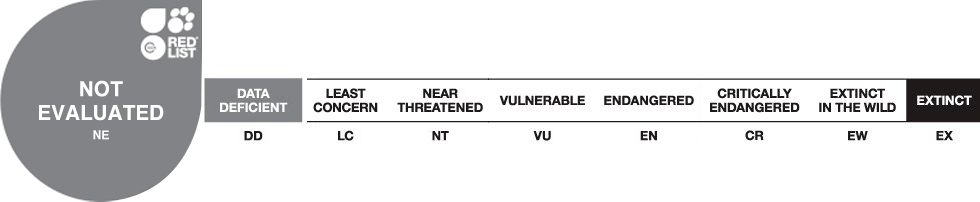
| Kingdom | Animalia |
| Phylum | Chordata |
| Class | Mammalia |
| Order | Artiodactyla |
| Family | Bovidae |
| Genus | Capra |
| Species | Capra hircus |

The goat is an artiodactyl mammal of the subfamily Caprinae, domesticated by humans a very long time ago (around the 8th millennium BC), mainly for its meat and milk. The male is called a billy goat or buck, and the young are called kids. The breeding and use of these animals is known as goat farming, and their worldwide population is around or above one billion head.
The pygmy goat, also called the African pygmy goat, is one of the smallest goat breeds in existence: it does not usually exceed 45–50 cm in height at the withers. It originates from West Africa, especially the Cameroon region, where tribal communities selected it for centuries, and from there it was exported to Europe and the United States, where it also became popular as a pet.
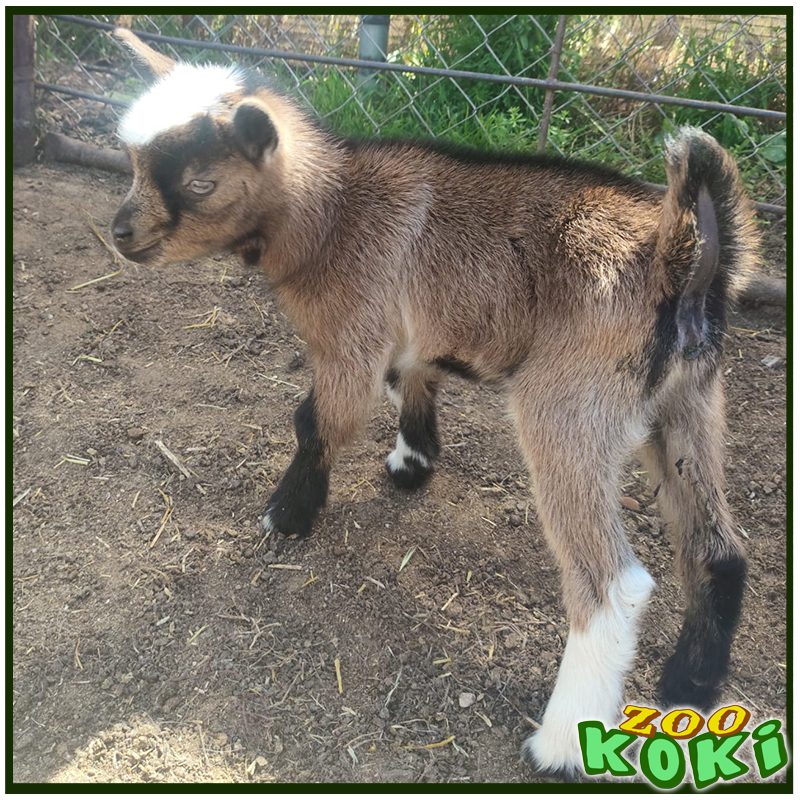
Native to the tropical regions of West Africa (particularly Cameroon), it has adapted well to livestock farms, educational farms and zoos around the world thanks to its hardiness and small size.
It is a herbivorous browsing animal: it feeds on grass, leaves, tender twigs and shrubs, making use of a wide variety of vegetation with a diet similar to that of other domestic goats.
It reaches sexual maturity very early, between 6 and 8 months of age, and can breed all year round. Gestation lasts around 5 months (about 150 days), after which one or two kids are born, and occasionally up to three, each weighing approximately 900 grams.
Despite being one of the smallest goats in the world, the African pygmy goat retains the same curious, sociable character as other domestic goats, which, combined with its size, has made it one of the most prized goat breeds on educational farms and in zoos.
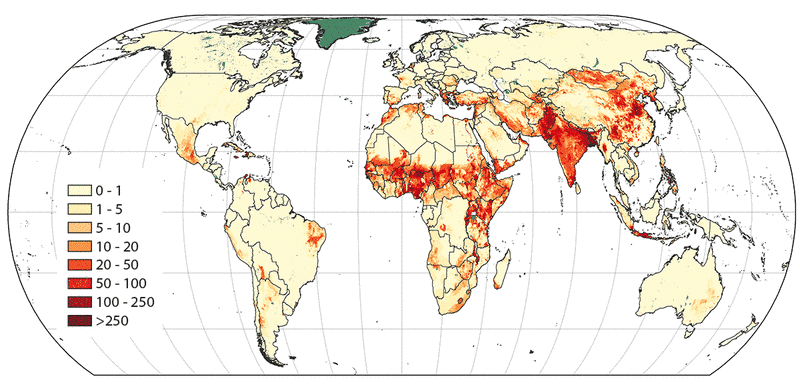 Source: Wikimedia Commons — Goat worldwide distribution FAO 2015.png