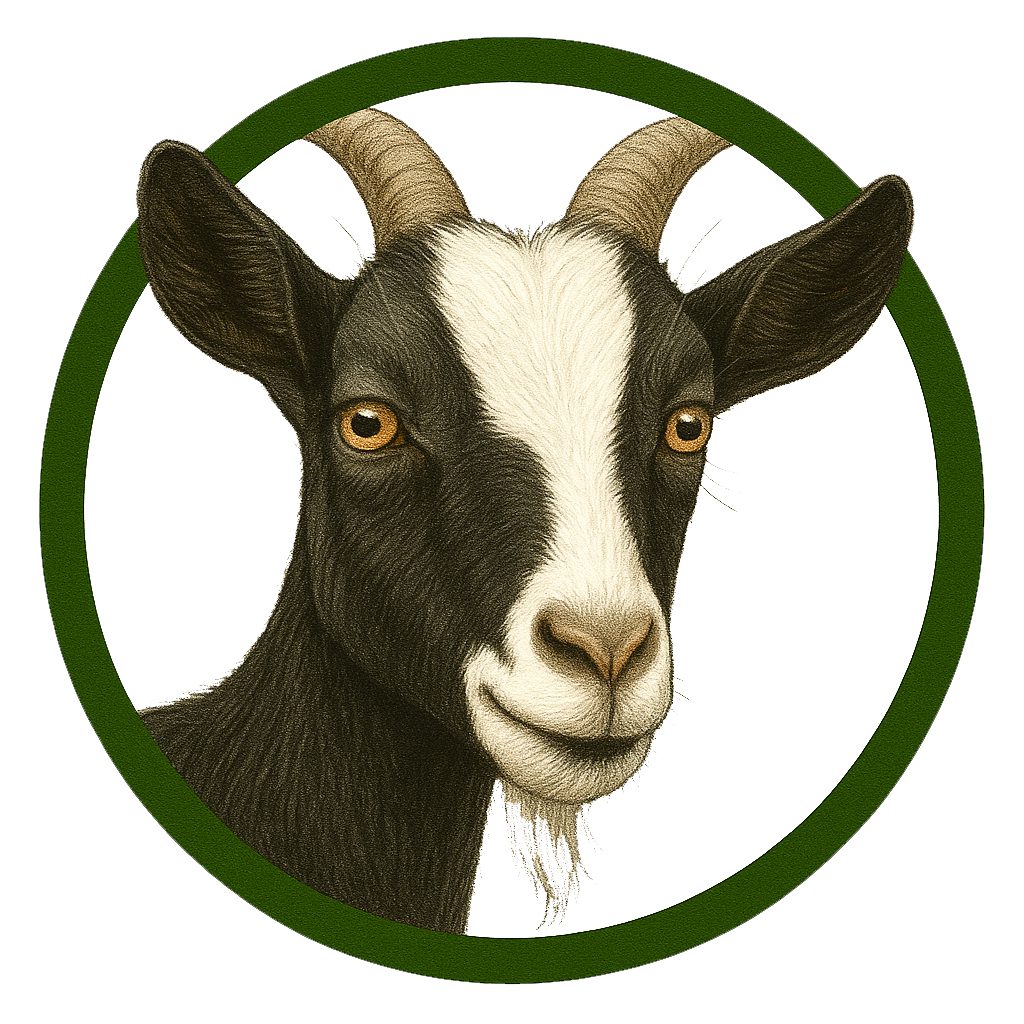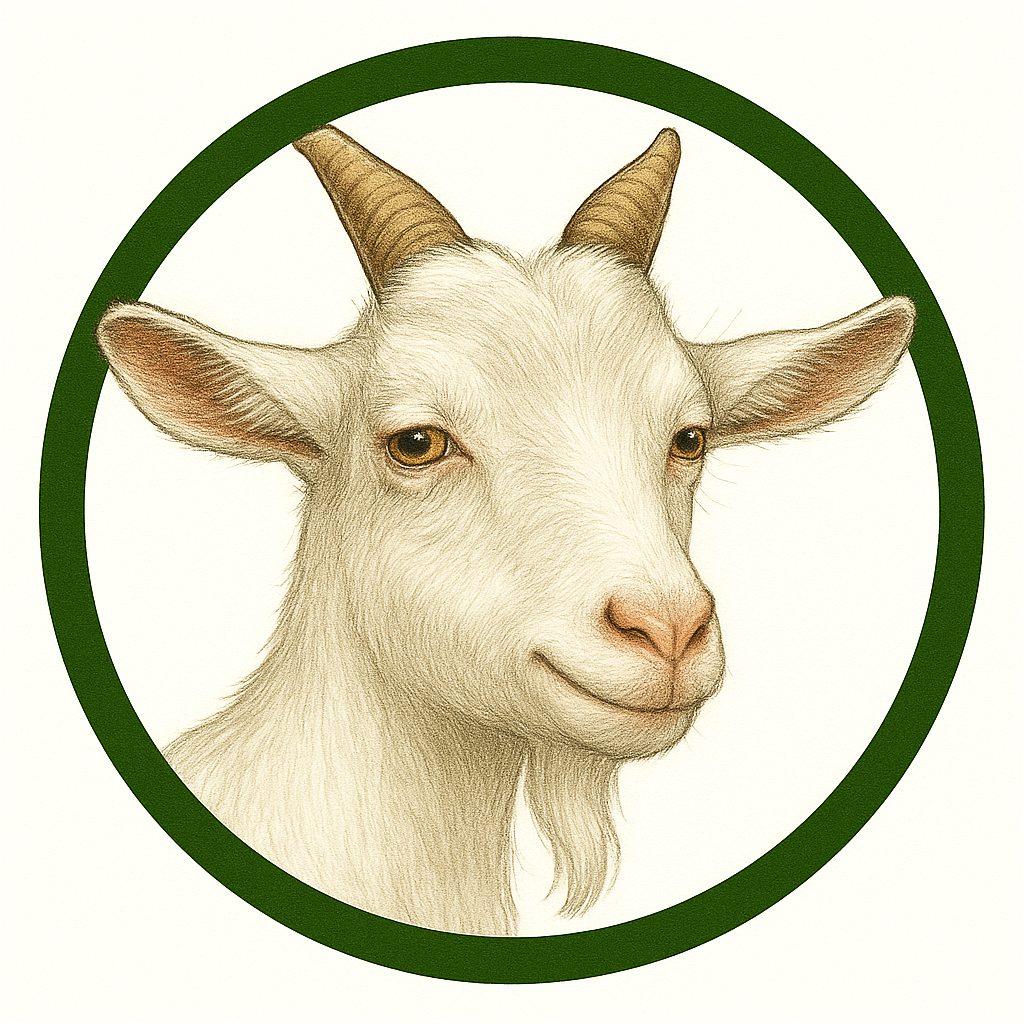
The Girgentana goat is a goat breed named after the city of Agrigento , in Sicily (Italy).
| Kingdom | Animalia |
| Phylum | Chordata |
| Class | Mammalia |
| Order | Artiodactyla |
| Family | Bovidae |
| Genus | Capra |
| Species | Capra hircus |
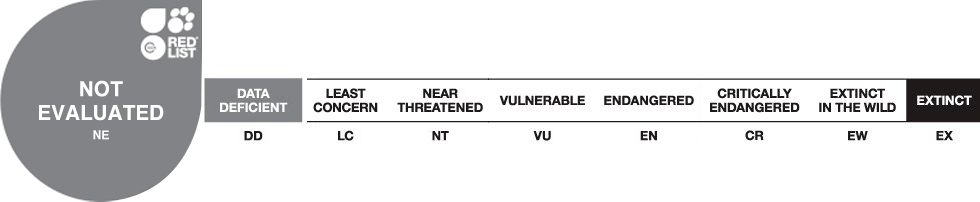
The Girgentana goat is a goat breed named after the city of Agrigento, in Sicily (Italy). Its origins are thought to go back to south-central Asia, specifically the region of Kashmir, northern Afghanistan and Balochistan, and it may be partly descended from the markhor, a wild mountain goat with large spiral horns. It once numbered around 30,000 animals in Sicily, but today it is endangered.
It is a medium-sized breed: males reach 85 cm at the withers and weigh around 65 kg, while females measure about 80 cm and 50 kg. Its coat is white, although it can sometimes show brown tones and a spotted face. Its most distinctive feature is its horns, long and twisted into a spiral or corkscrew shape, in both males and females.
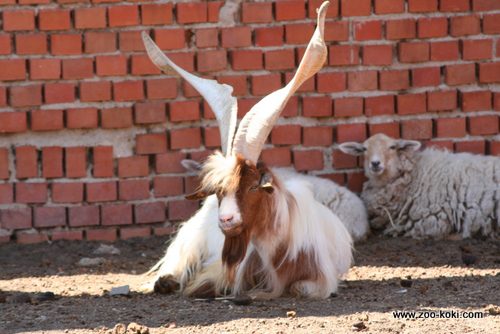
It originates from the province of Agrigento, in southern Sicily, where it traditionally grazed on the rocky, semi-arid ground of the island's interior.
Like other domestic goats, it is a browsing animal that feeds on grasses, scrub, leaves and shrubs, making use of poor, steep terrain where other domestic animals do not thrive.
Gestation in the domestic goat lasts between 145 and 155 days (an average of 150 days), and usually one to three kids are born per litter. Kids begin to try solid food at around two weeks old, although they remain dependent on their mother's milk for several more months.
Its striking spiral horns, unique among European goat breeds, are precisely the feature that supports the hypothesis of a distant kinship with the Asian markhor, and today they make the Girgentana one of the most recognisable and highly valued goat breeds for conservation.
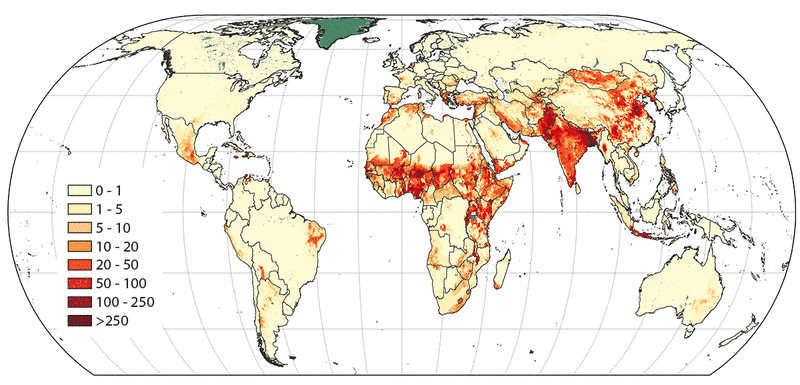 Source: Wikimedia Commons — Goat worldwide distribution FAO 2015.png