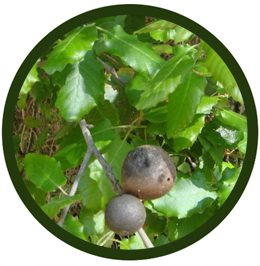
The Portuguese oak, also known as the Algerian oak or “quejigo”, is a medium-sized marcescent tree typical of the Mediterranean-climate zones of the Iberian Peninsula and North Africa.
| Kingdom | Plantae |
| Division | Magnoliophyta |
| Class | Magnoliopsida |
| Order | Fagales |
| Family | Fagaceae |
| Genus | Quercus |
| Species | Quercus faginea |
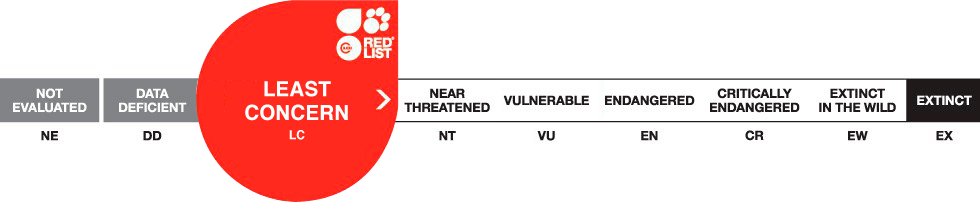
It is a medium-sized tree that can reach up to 20 metres in height, with marcescent (semi-deciduous) foliage, meaning that it keeps some of its dry leaves through the winter.
Its fruit is the typical oak acorn, with a cupule covered in velvety-looking scales. The tree also produces galls, very rich in tannins, from which the tree’s Spanish name derives.
It is a species native to the western Mediterranean, found throughout practically the whole of the Iberian Peninsula except Galicia. It is the Iberian oak with the greatest resistance to drought.
The scientific name “faginea” comes from Lamarck’s view that its leaf resembled that of the beech (Fagus). The common Spanish name “quejigo” derives from the Latin “cecidium” (gall), because of the abundant galls the tree produces.