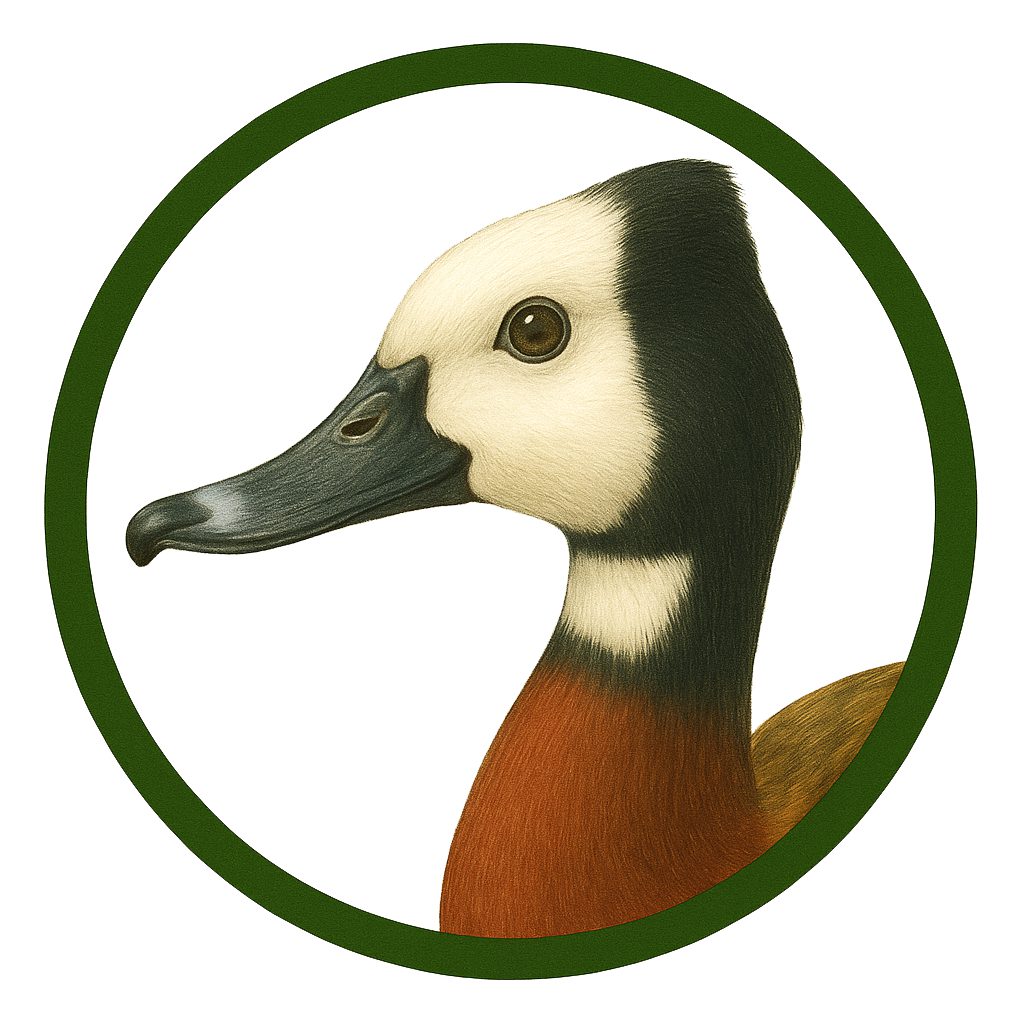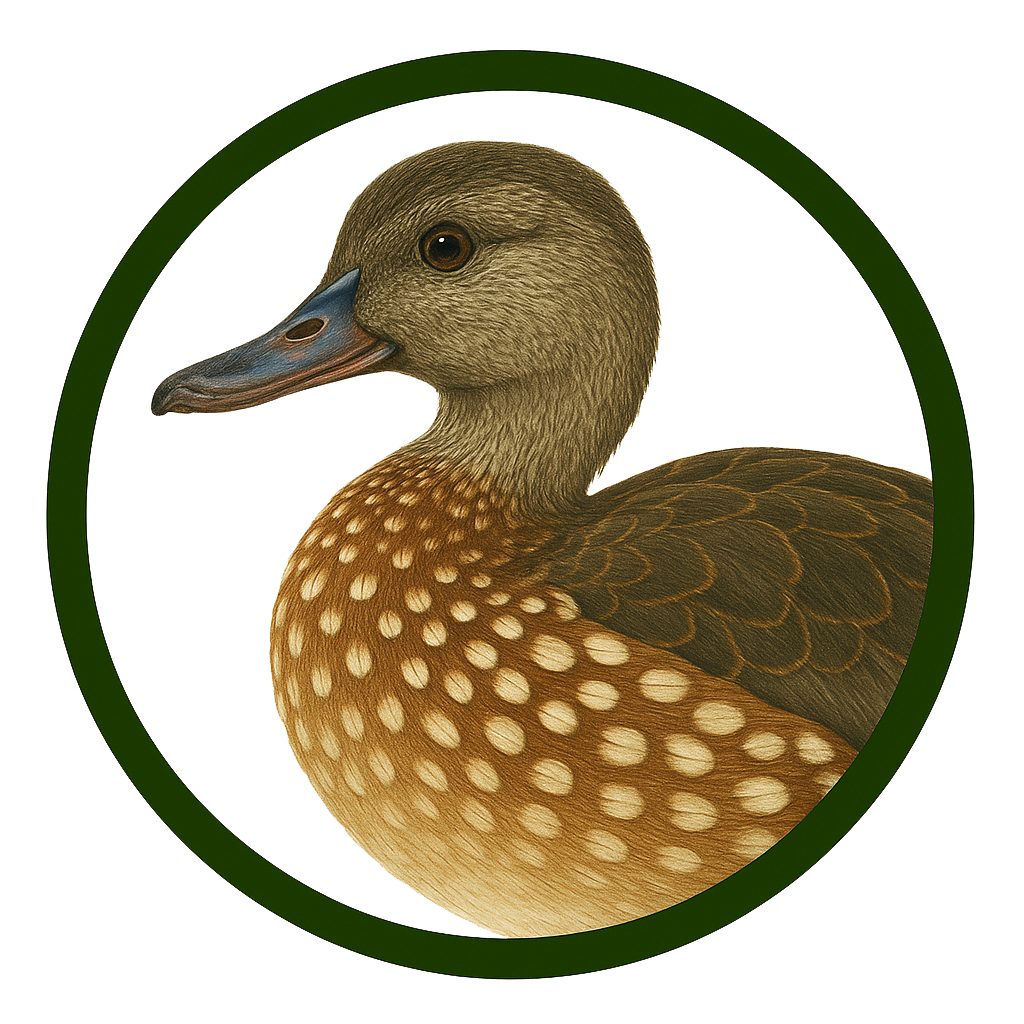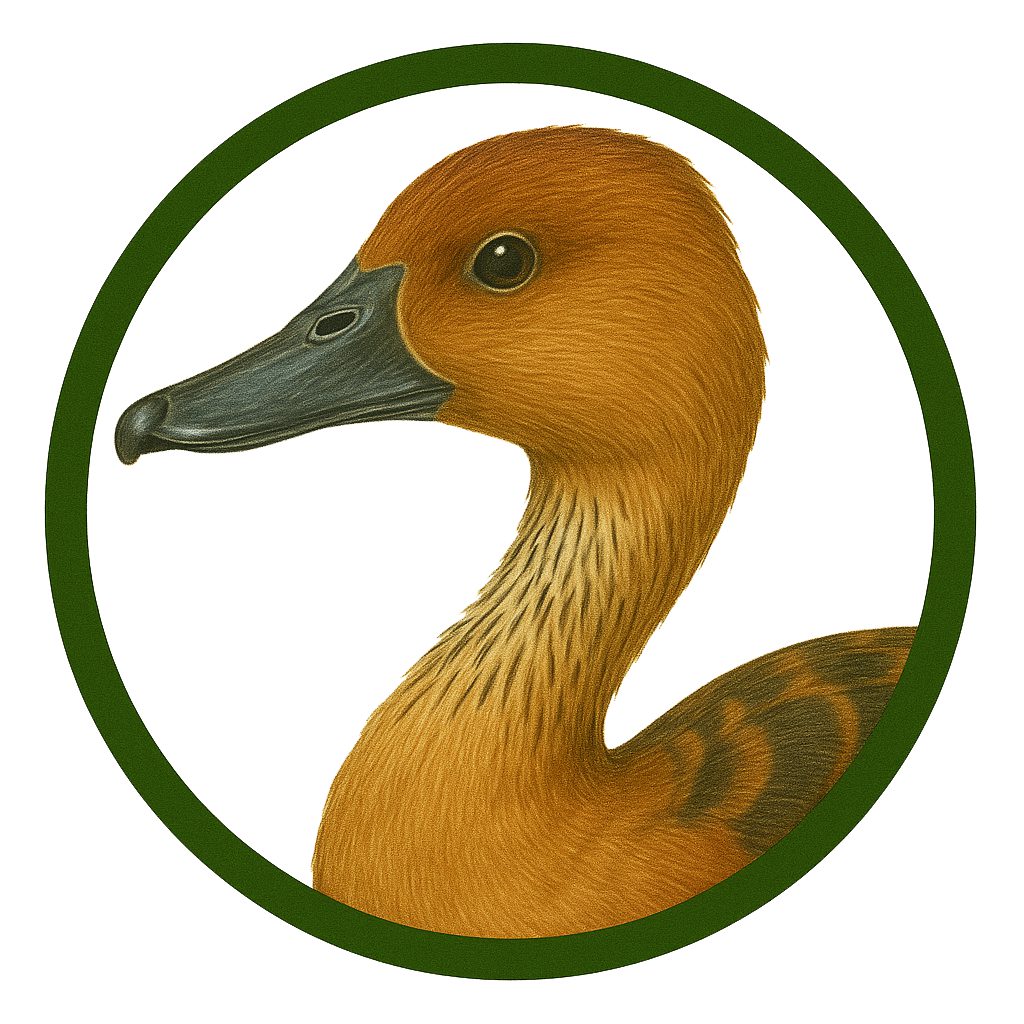
The fulvous whistling duck ( Dendrocygna bicolor ) is a whistling duck between 45 and 53 cm long, weighing around 700-1,050 g in males and somewhat less in females.
| Kingdom | Animalia |
| Phylum | Chordata |
| Class | Aves |
| Order | Anseriformes |
| Family | Anatidae |
| Genus | Dendrocygna |
| Species | Dendrocygna bicolor |
The fulvous whistling duck (Dendrocygna bicolor) is a whistling duck between 45 and 53 cm long, weighing around 700-1,050 g in males and somewhat less in females. Its plumage is mainly golden brown, darker on the back, with a visible blackish line on the nape; in flight, a white crescent-shaped band can be seen over the rump, contrasting with the black tail. The legs are long and greyish, as is the bill.
It is one of the duck species with the largest range in the world, present on four continents: Central and South America, the Antilles, the southern United States, sub-Saharan Africa and the Indian subcontinent. It lives in shallow lakes, rice fields and other wetlands with abundant vegetation, avoiding wooded areas.
It feeds mostly on plant matter: seeds, bulbs, grasses and the stems of aquatic plants; females also take in aquatic worms, molluscs and insects as a protein boost before laying.
It forms monogamous pairs for life. The nest, built from leaves and stems among dense vegetation, measures between 19 and 26 cm in diameter. The clutch usually numbers around ten eggs, although it can occasionally exceed twenty, and they hatch after 24 to 29 days of incubation, in which both parents take part. The chicks, which are nidifugous (precocial), leave the nest soon after hatching, although they remain under the protection of the adults until they can fly, about nine weeks later.
Unlike most ducks, the fulvous whistling duck walks with ease thanks to its long legs, without the characteristic waddle of other ducks. It is also a species with a marked tendency to colonise new areas, and it has extended its range towards Mexico, the United States and the Caribbean in recent decades.