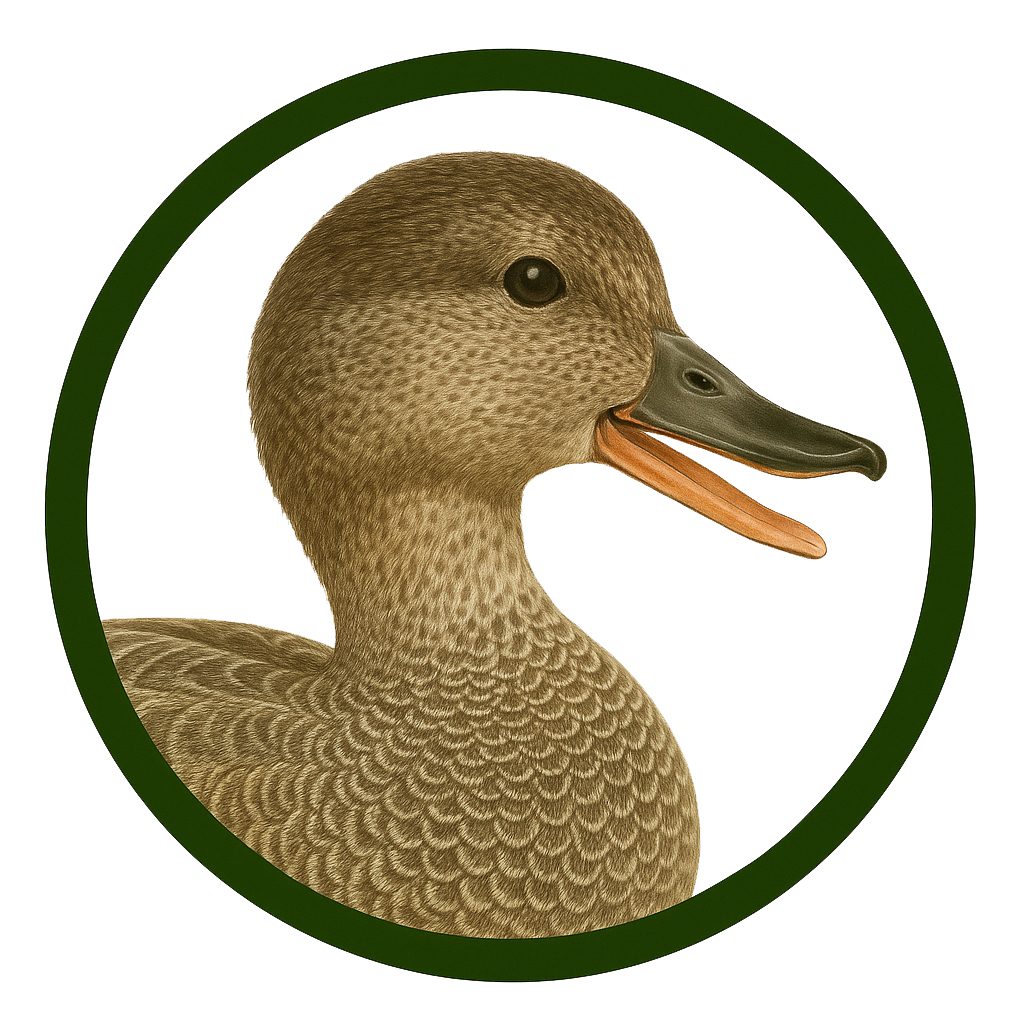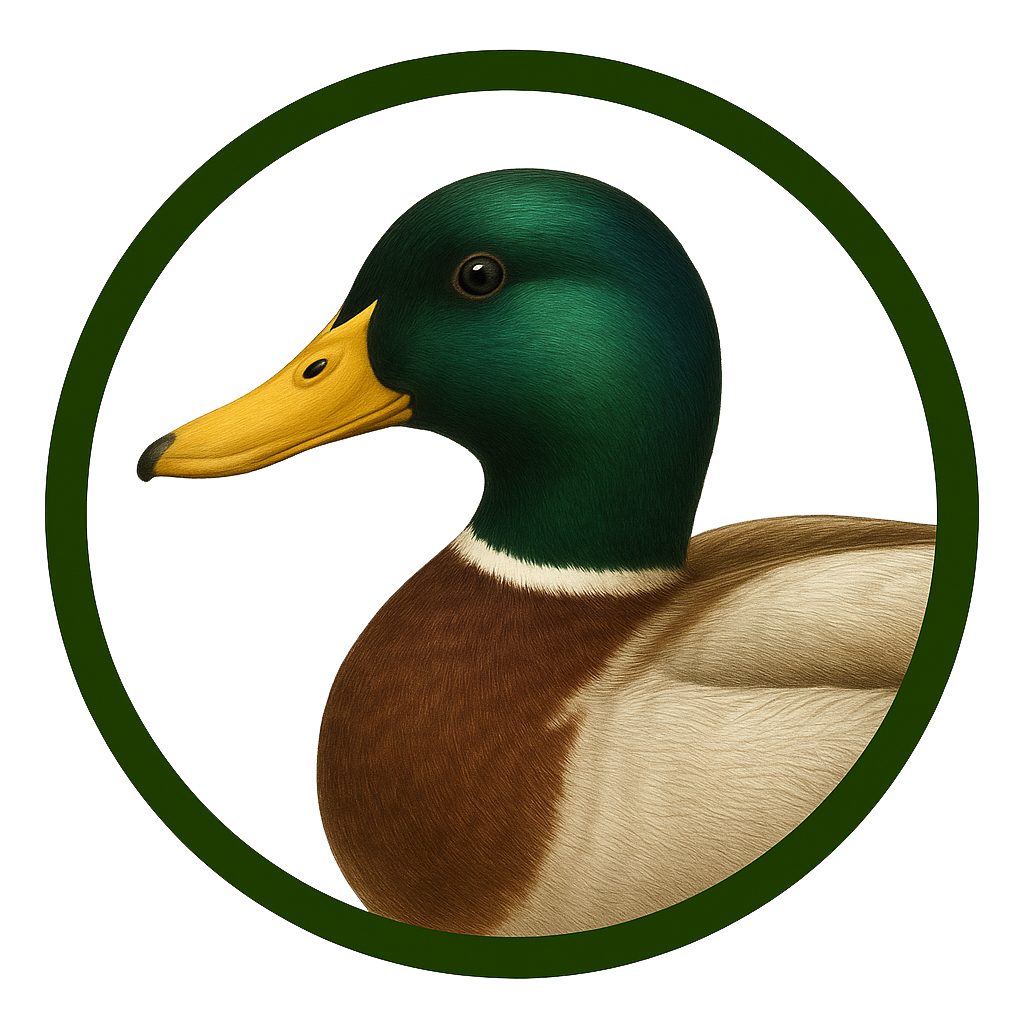
The mallard (Anas platyrhynchos) is the best-known and most widespread duck in the family Anatidae, with a length of 50 to 65 cm, a wingspan of 81 to 98 cm and a weight of between 0.7 and 1.6 kg.
| Kingdom | Animalia |
| Phylum | Chordata |
| Class | Aves |
| Order | Anseriformes |
| Family | Anatidae |
| Genus | Anas |
| Species | Anas platyrhynchos |
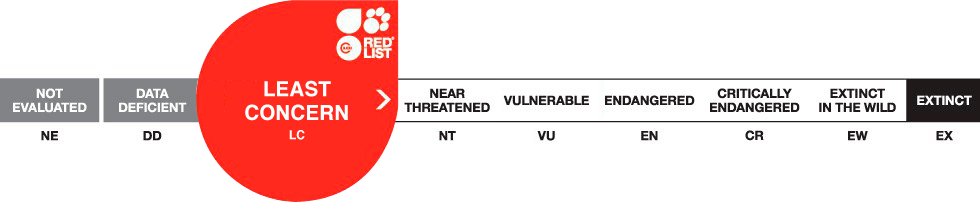
The mallard (Anas platyrhynchos) is the best-known and most widespread duck in the family Anatidae, with a length of 50 to 65 cm, a wingspan of 81 to 98 cm and a weight of between 0.7 and 1.6 kg. The male sports an iridescent green head and neck separated from the chestnut breast by a thin white collar, and a greyish body; the female has more discreet mottled brown plumage. Both sexes share an iridescent blue wing speculum edged with white and black.
It is a species with a very broad natural distribution across the whole of the northern hemisphere, from Alaska and Greenland to Mexico, and across Eurasia from Iceland to Japan and North Africa; it has also been introduced to several regions of the southern hemisphere. It occupies a wide variety of aquatic habitats, both freshwater and brackish, including parks and urban areas, where it adapts easily to the presence of people.
It is omnivorous and highly opportunistic in its feeding: most of its diet consists of seeds and other plant matter, supplemented with invertebrates such as snails, insects, crustaceans and worms, the proportion of which increases markedly in females during the period before laying.
Pairs form between October and November. The clutch consists of 8 to 13 eggs, incubated for 27-28 days. The ducklings complete their development in 50 to 60 days, and the young begin to fly at 3-4 months, reaching sexual maturity at around 14 months of age.
The mallard readily hybridises with other species of the genus Anas, producing fertile offspring, which has made the species a threat to native ducks in some regions, such as New Zealand or South Africa, where it is considered invasive.