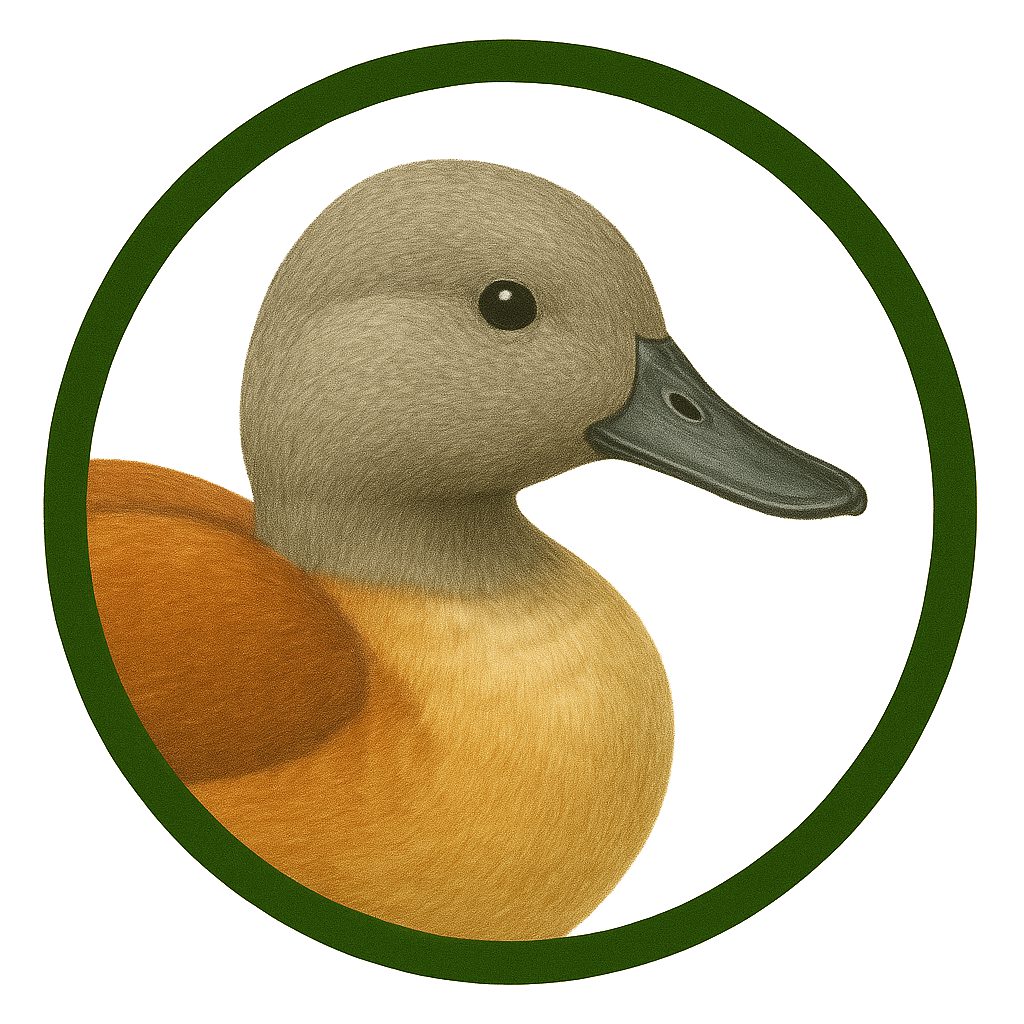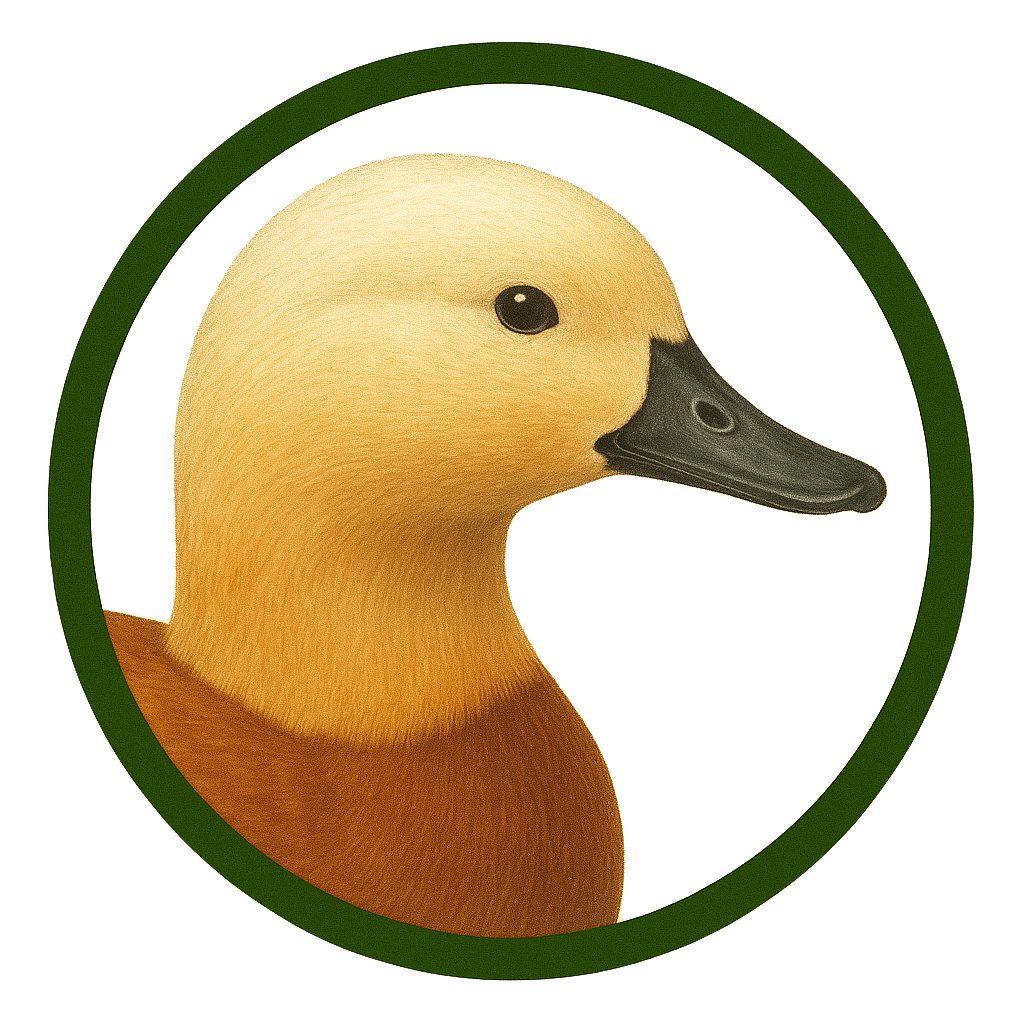
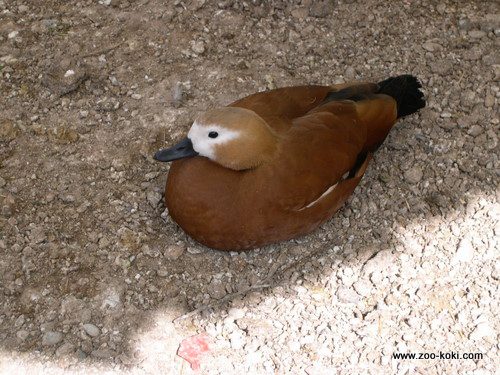
The ruddy shelduck (Tadorna ferruginea) is an anseriform bird of the family Anatidae, with uniform orange-cinnamon plumage, a paler head and wings with striking white, green and black patches that are visible in flight.
| Kingdom | Animalia |
| Phylum | Chordata |
| Class | Aves |
| Order | Anseriformes |
| Family | Anatidae |
| Genus | Tadorna |
| Species | Tadorna ferruginea |
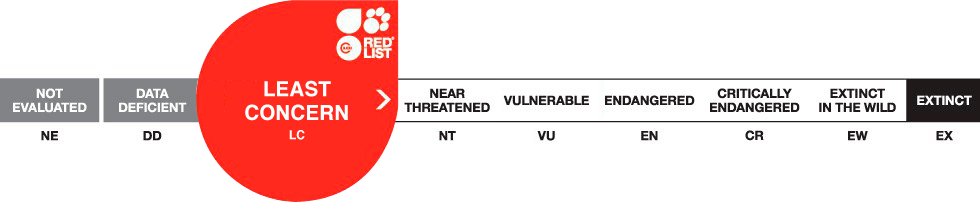
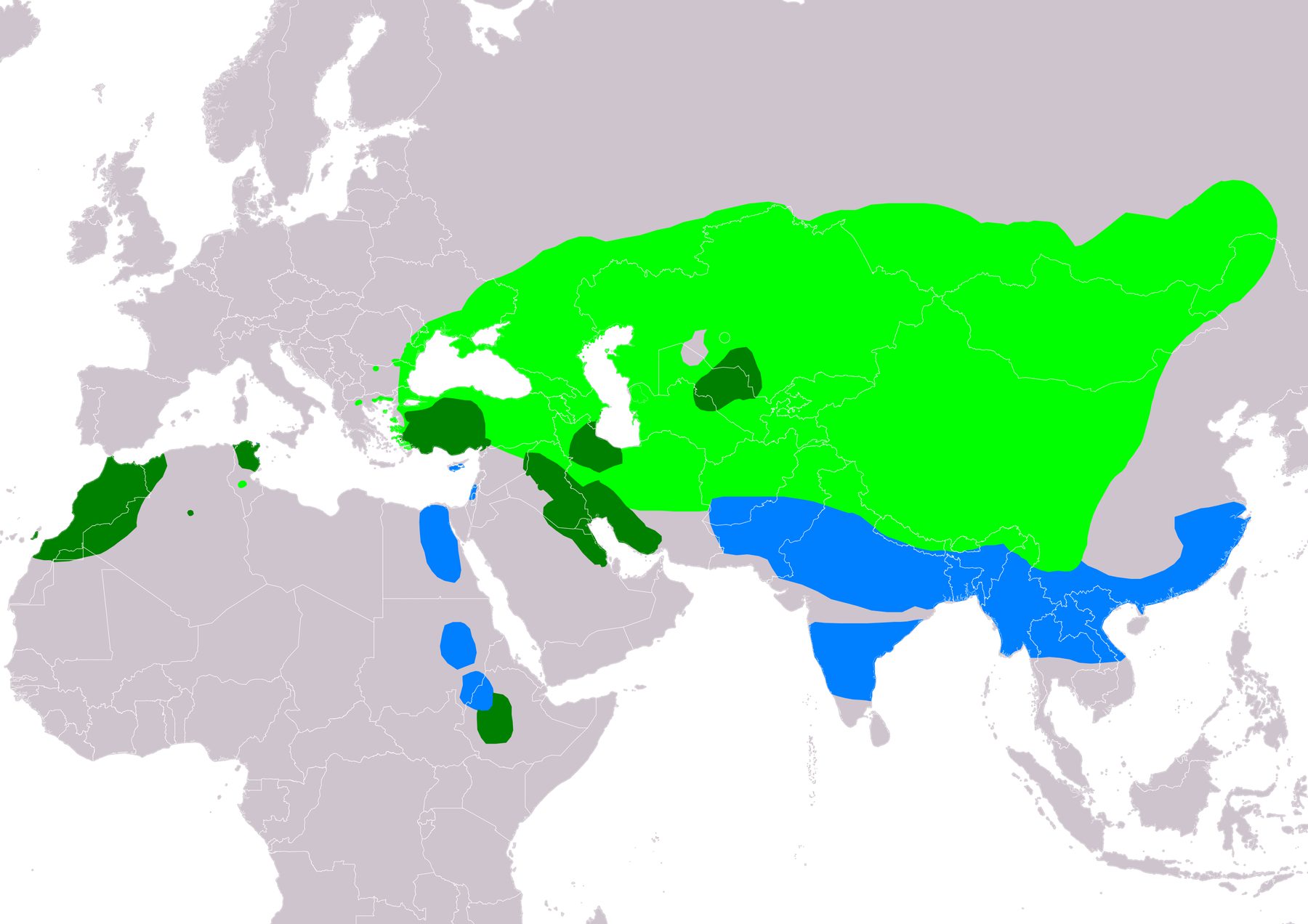
The ruddy shelduck (Tadorna ferruginea) is an anseriform bird of the family Anatidae, with uniform orange-cinnamon plumage, a paler head and wings with striking white, green and black patches that are visible in flight. It is fairly widespread across Asia and North Africa, while in Europe the populations of southern Spain stand out above all.
It inhabits marshes and lake areas, preferring freshwater, brackish or saline lagoons less than one metre deep, both permanent and seasonal, at altitudes of up to 100 metres. In Spain its breeding range is small and localised, with a presence in Andalusia, Castilla-La Mancha and Extremadura and, more firmly established, on the islands of Fuerteventura, Lanzarote and Gran Canaria.
Its diet is mainly vegetarian, based on tender shoots of grasses, grains and seeds, supplemented with insects from the arid, salty terrain where it usually nests.
It nests in a hole dug in sandy or clayey ground, either natural or abandoned by another animal, sometimes far from the water and hidden among scrub. The clutch consists of 8 to 12 eggs, which the female incubates while the male keeps watch over the surroundings.
The ruddy shelduck forms very stable, territorial pairs, and it is common to see it paired up even outside the breeding season, unlike other ducks and geese with more gregarious habits.
 Source: Wikimedia Commons — TadornaFerrugineaIUCN.png