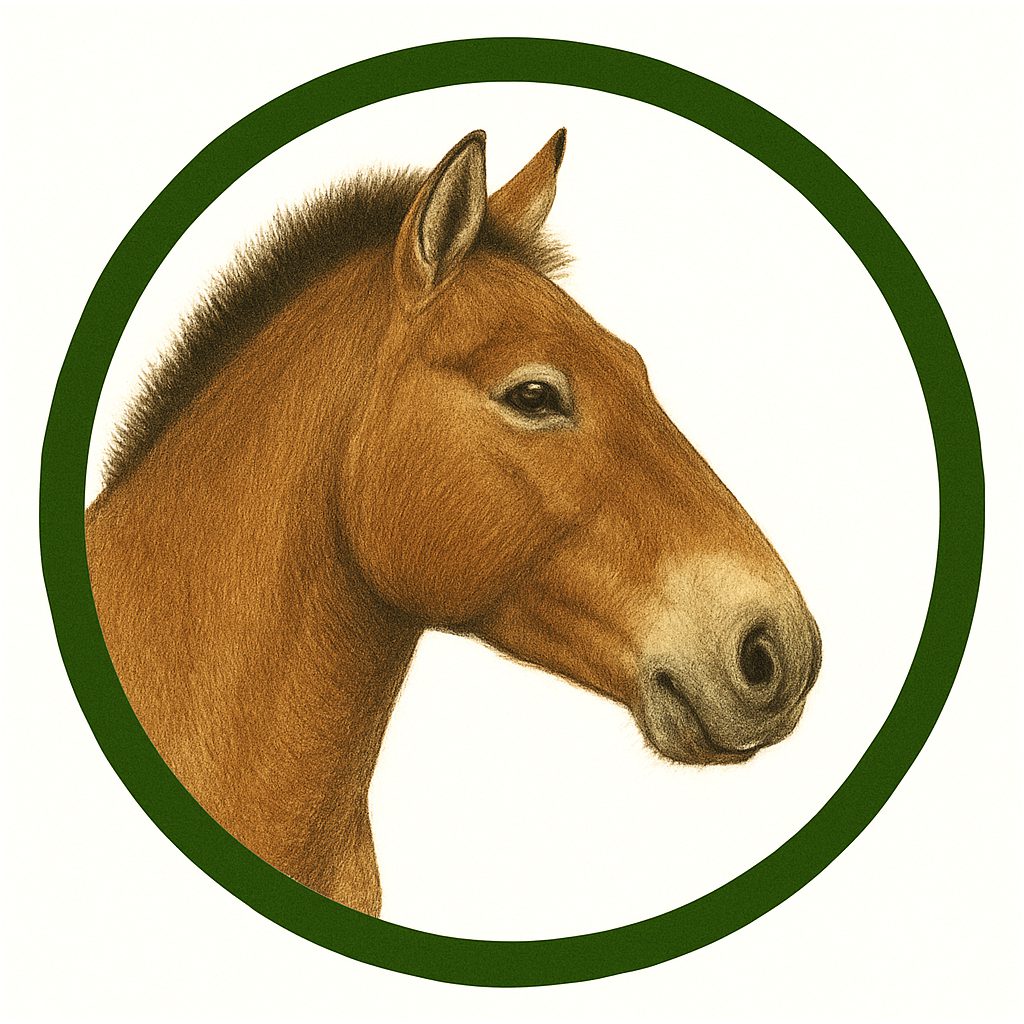
Przewalski's horse, the Mongolian wild horse or takhi (Equus ferus przewalskii) is a feral variety of horse, descended from the first horses domesticated by the Botai culture in 3500 BC.
| Kingdom | Animalia |
| Phylum | Chordata |
| Class | Mammalia |
| Order | Perissodactyla |
| Family | Equidae |
| Genus | Equus |
| Species | Equus ferus przewalskii |
Przewalski's horse, the Mongolian wild horse or takhi (Equus ferus przewalskii) is a feral variety of horse, descended from the first horses domesticated by the Botai culture in 3500 BC. A paper published in 2021 argues that this was not the case, making it therefore the last truly wild horse surviving today.
It almost became extinct in the mid-20th century, but was saved from disappearing by a few naturalists. Its current status is critical, reduced to a few herds living in Hustai National Park in south-western Mongolia, Kalamery National Park in China and several more individuals in zoological parks in other countries. Worthy of note is the presence of wild herds in the vicinity of the Chernobyl nuclear power plant.
The total population is around one thousand five hundred individuals worldwide.
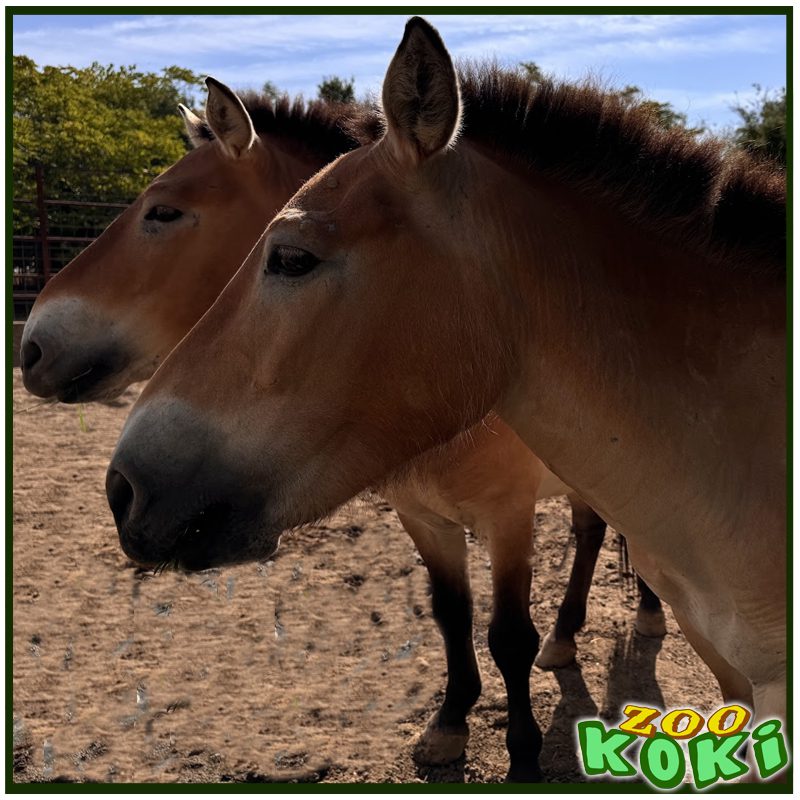
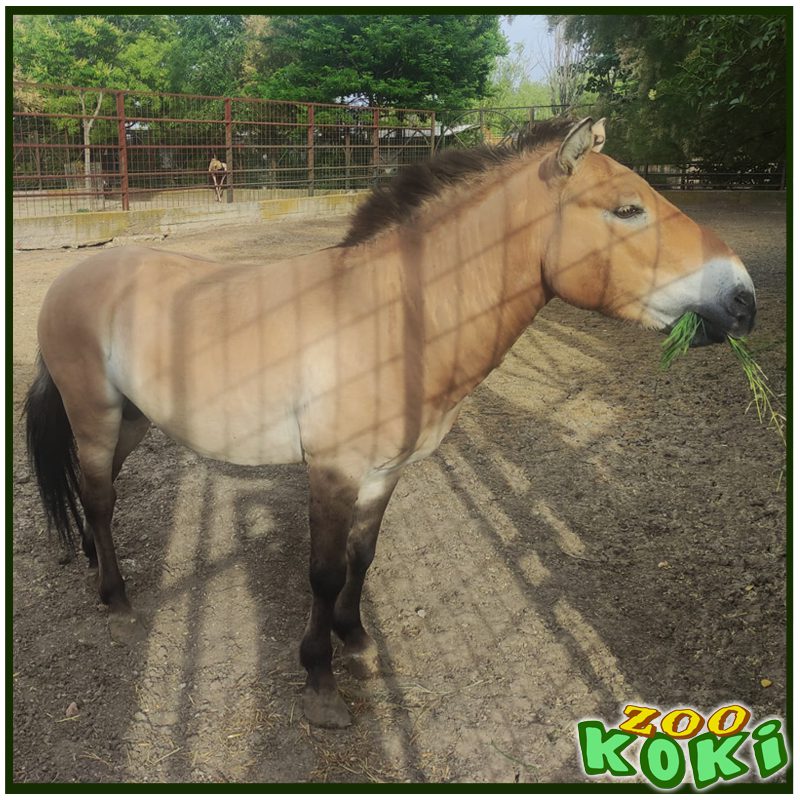
Native to the plains of Mongolia, a border area near the Altai Mountains and Xinjiang, in north-west China
It feeds on grass, and also on leaves, shoots, fruit and roots. It can survive on poor diets and go for long periods without drinking, as it inhabits semi-arid plains and deserts. It can dig in the ground in search of roots and bulbs.
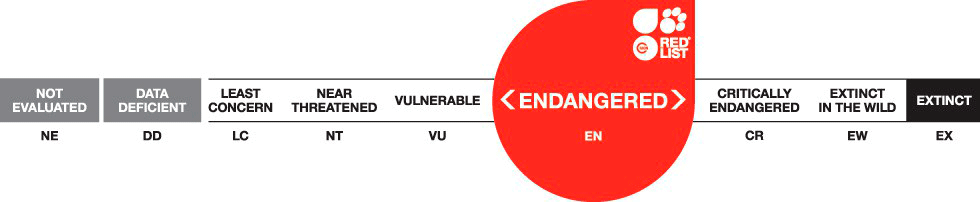
Success in conservation programmes meant that by the end of 2011 its status improved from Critically Endangered to Endangered. In 1996 it had been classified as Extinct in the Wild, when there were fewer than 100 individuals in zoos around the world, whereas by the end of 2011 there are more than 300 individuals living wild in various nature parks.
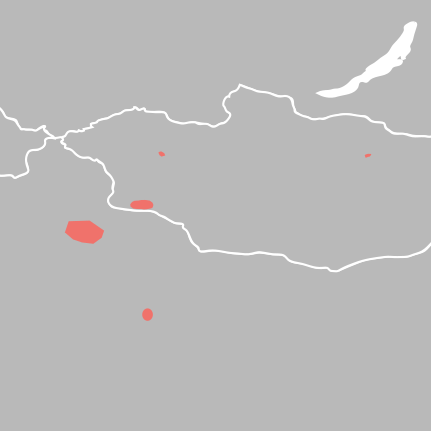 Source: Wikimedia Commons — Equus ferus distribution.png