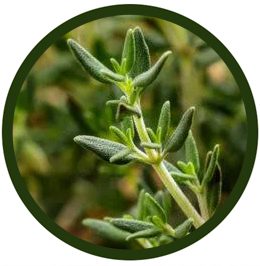
Thyme is a small, woody, aromatic plant, a symbol of the Mediterranean scrub and one of the most widely used herbs in cooking.
| Kingdom | Plantae |
| Division | Magnoliophyta |
| Class | Magnoliopsida |
| Order | Lamiales |
| Family | Lamiaceae |
| Genus | Thymus |
| Species | Thymus vulgaris |

It is a perennial clump, woody at its base, between 15 and 30 cm tall, with much-branched stems and tiny, narrow, highly aromatic leaves. In spring it is covered in small white or lilac-pink flowers, much visited by bees.
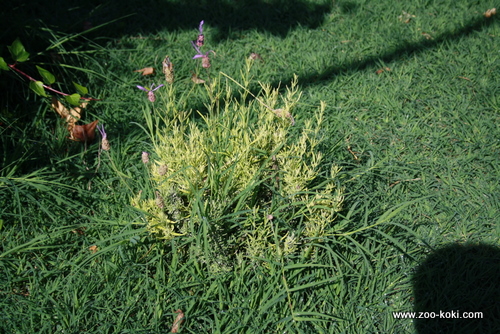
It is native to southern Europe and the western Mediterranean, and grows wild on dry, stony, sunny slopes, forming a characteristic part of the Mediterranean scrub alongside rosemary and lavender.
Its name comes from the Greek “thymos”, meaning “to perfume”, in reference to its intense aroma. The Greeks and Romans already used it to purify temples and homes, and the Egyptians used it in embalming.