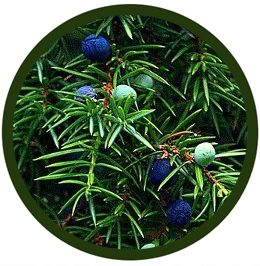
The juniper is an evergreen, balsam-scented coniferous shrub, the woody species with the largest natural range on the planet.
| Kingdom | Plantae |
| Division | Pinophyta |
| Class | Pinopsida |
| Order | Cupressales |
| Family | Cupressaceae |
| Genus | Juniperus |
| Species | Juniperus communis |
It is a coniferous shrub or small tree, with a very variable habit depending on where it grows, with sharp, needle-shaped leaves arranged in whorls of three. It is a dioecious species, meaning there are separate male and female plants.
Its “fruits” are in fact galbuli, small fleshy blue-black cones that take two to three years to ripen fully.
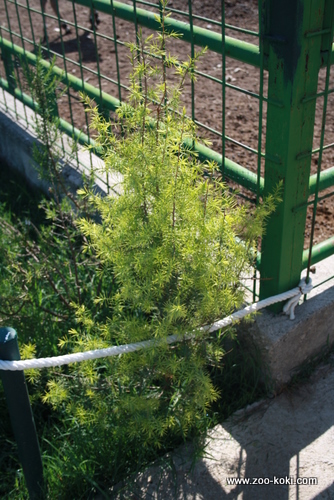
It has a circumboreal distribution, found in Europe, Asia and North America; it is the woody species with the widest natural range in the world. In Spain it appears in mountain areas and also in dehesas and lowland scrub, tolerating poor soils and harsh climates.
Its galbuli, popularly known as “juniper berries”, have been used for centuries to flavour gin: in fact, the name of the drink itself comes from the French “genièvre” and the Dutch “jenever”, which mean juniper.