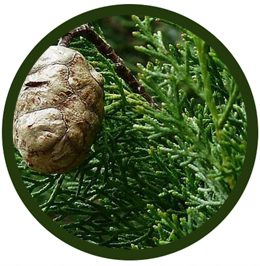
The Mediterranean cypress is a conifer with a slender, columnar silhouette, a traditional symbol of cemeteries, historic gardens and Mediterranean landscapes.
| Kingdom | Plantae |
| Division | Pinophyta |
| Class | Pinopsida |
| Order | Cupressales |
| Family | Cupressaceae |
| Genus | Cupressus |
| Species | Cupressus sempervirens |
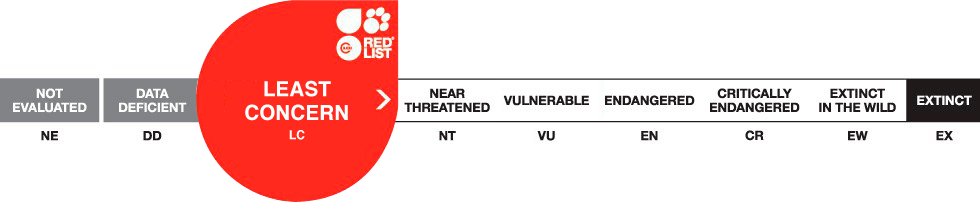
It is an evergreen tree that can exceed 30 metres in height, with a highly variable habit depending on the variety: from the narrow, columnar forms, the best known, to forms with a more open, spreading crown.
Its foliage is made up of tiny, dark green scale-like leaves, packed tightly together, and it produces small, globose, woody cones.
It is native to the eastern Mediterranean, with natural populations in southern Greece, Crete, Cyprus and parts of the Near East. It has been cultivated since antiquity throughout the Mediterranean, including Spain, where it has become a classic feature of gardens, avenues and cemeteries.
Some centuries-old cypresses live for more than a thousand years, which has reinforced their symbolism of eternity and immortality in numerous cultures. Its unmistakable silhouette has been immortalised in painting, from the Italian Renaissance to the famous landscapes of Vincent van Gogh.