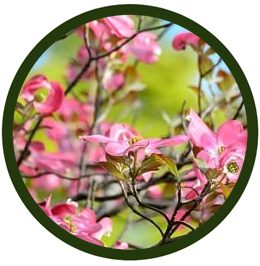
The dogwood is a deciduous understorey and hedgerow shrub, easily recognisable in winter by the intense reddish colour of its young branches.
| Kingdom | Plantae |
| Division | Magnoliophyta |
| Class | Magnoliopsida |
| Order | Cornales |
| Family | Cornaceae |
| Genus | Cornus |
| Species | Cornus sanguinea |
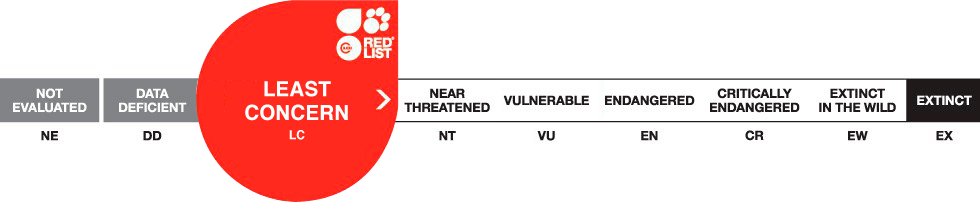
It is a highly branched shrub that does not usually exceed 4 to 6 metres in height, with opposite branches that take on a reddish tone that is especially intense in autumn and winter. Its oval leaves, with very prominent veins, also turn red before falling.
Its white flowers are grouped in small inflorescences, and its fruits are fleshy, bluish-black berries, not edible for people but much appreciated by birds.
It is native to almost all of Europe and south-western Asia. In Spain it is found as part of hedgerows, woodland edges and damp understoreys, preferably on deep, calcareous soils.
Arrows made of dogwood have been found among the belongings of Ötzi, the Iceman found mummified in the Alps and dated to more than 5,000 years ago, confirming the ancient use of its hard, flexible wood for making tools and projectile weapons.