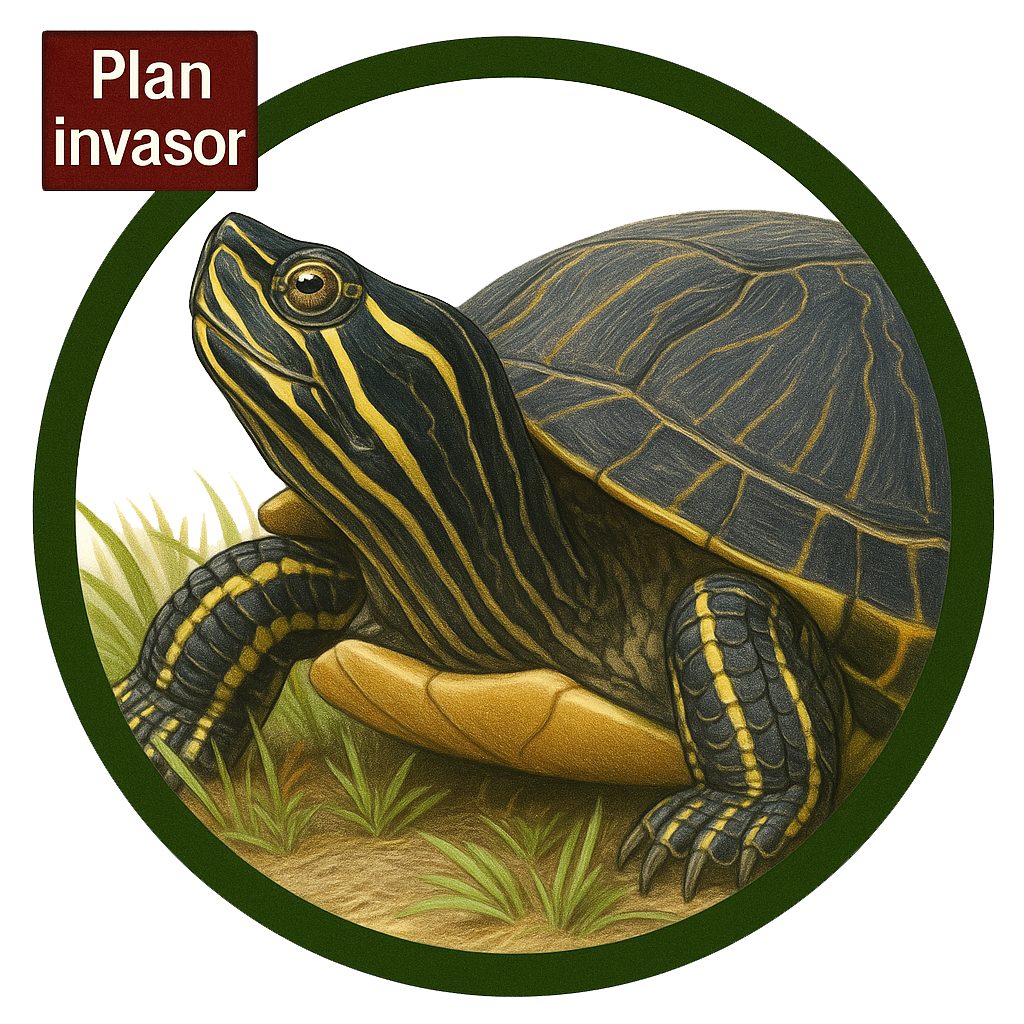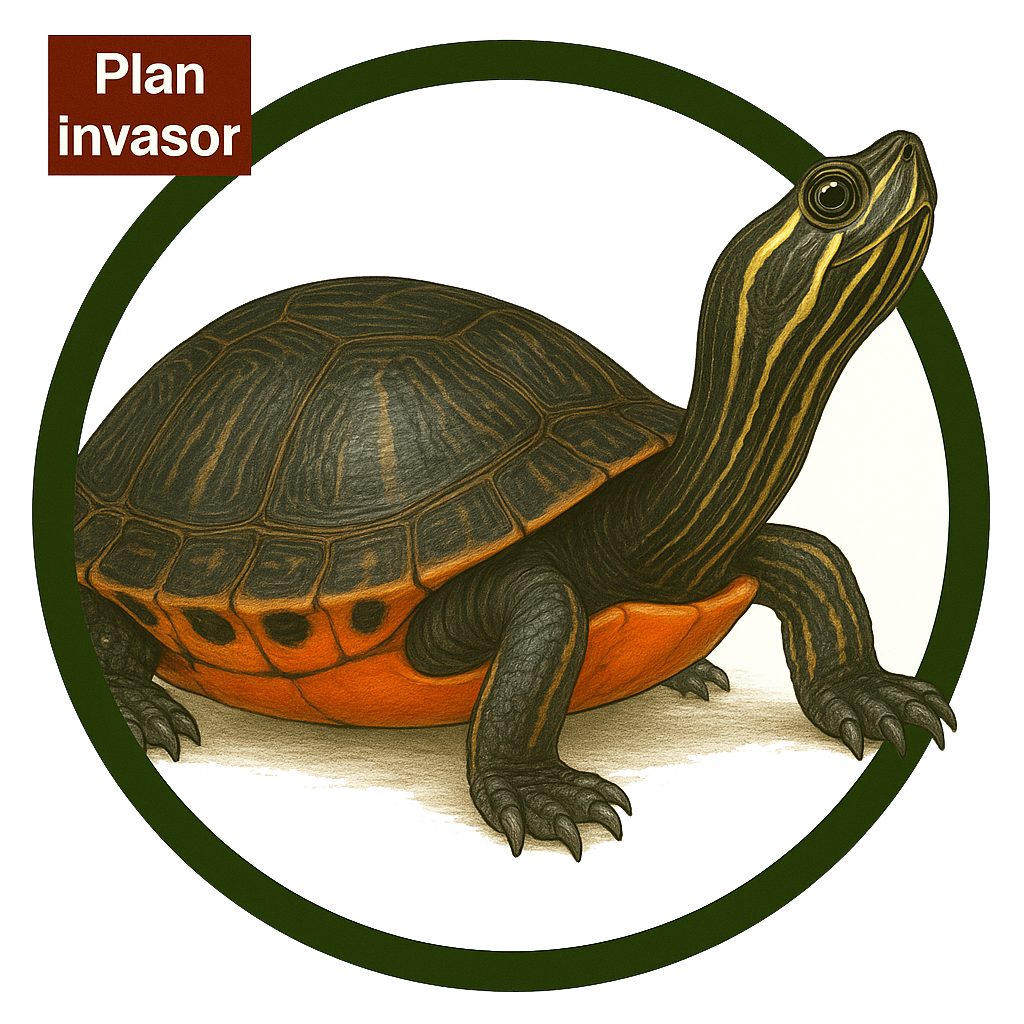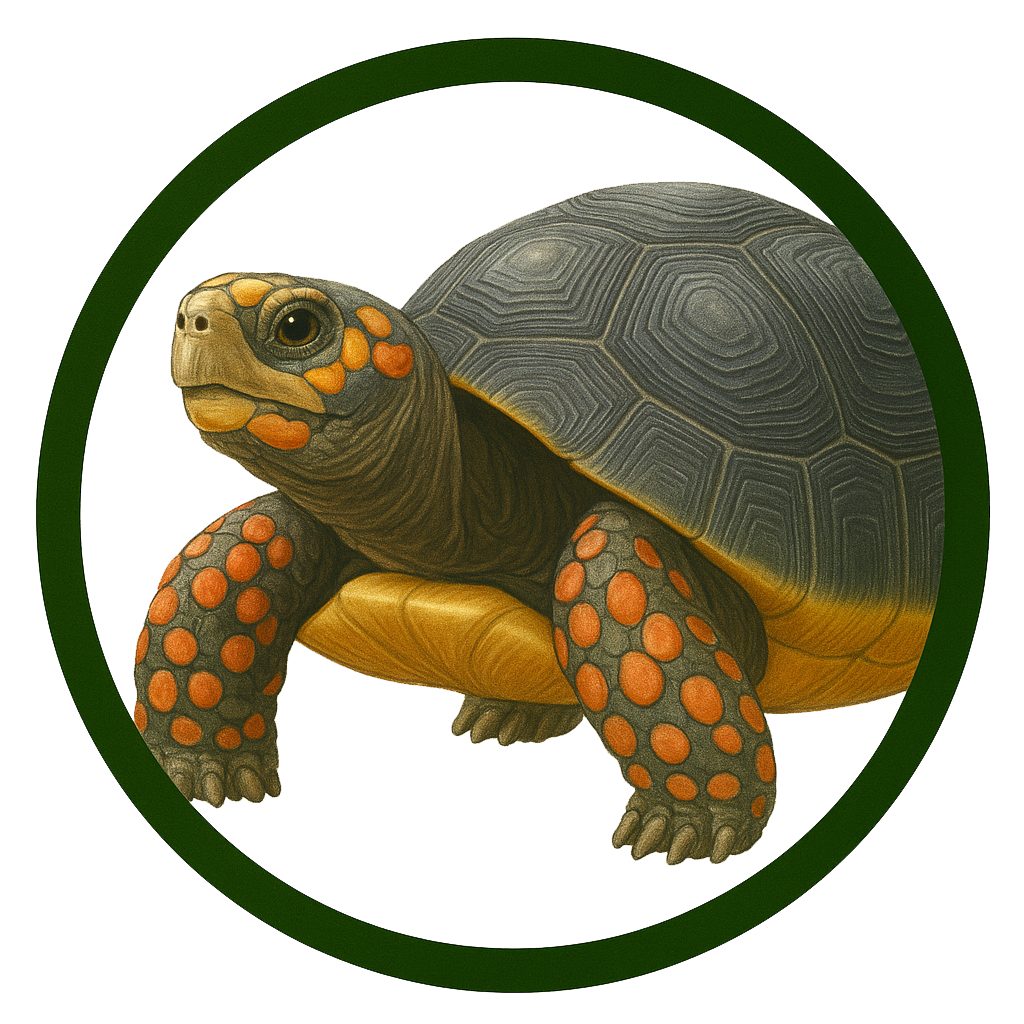
The red-footed tortoise (Chelonoidis carbonarius) is a land tortoise of the family Testudinidae, with a dark shell decorated with yellow-orange or reddish halo-shaped markings, and red or orange scales on the head and, especially, on the forelegs, which give it its name…
| Kingdom | Animalia |
| Phylum | Chordata |
| Class | Reptilia |
| Order | Testudines |
| Family | Testudinidae |
| Genus | Chelonoidis |
| Species | Chelonoidis carbonarius |
The red-footed tortoise (Chelonoidis carbonarius) is a land tortoise of the family Testudinidae, with a dark shell decorated with yellow-orange or reddish halo-shaped markings, and red or orange scales on the head and, especially, on the forelegs, which give it its name.
It usually measures between 30 and 35 cm in shell length, with males somewhat smaller than females, with a longer tail and a concave plastron to make mating easier.
It inhabits tropical dry forests, savannas and transition zones between forest and savanna from south-eastern Panama to Colombia, Venezuela, the Guianas, Brazil, Bolivia and Paraguay, as well as some Caribbean islands. It prefers warm, humid environments, close to watercourses or forest clearings.
It is omnivorous, with a diet based mainly on fallen fruit, as well as plants, fungi and, occasionally, small invertebrates.
Females dig a nest chamber of about 10 by 20 cm and lay between 2 and 7 eggs per clutch, and may lay several clutches close together. Incubation is long, between 105 and 202 days, with an average of approximately 150 days.
It can spend more than half the day completely inactive, and its ability to survive long periods without eating or drinking makes it, paradoxically, more vulnerable to illegal trafficking. Its international trade is regulated by CITES Appendix II because of the pressure that hunting and the pet trade put on its wild populations.