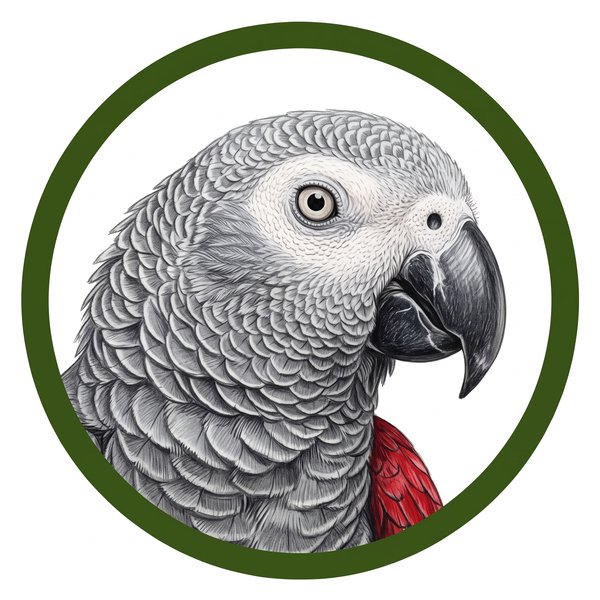
The African grey parrot, also known as the grey parrot (Psittacus erithacus), is a species of psittaciform bird in the family Psittacidae, native to the African rainforest.
| Kingdom | Animalia |
| Phylum | Chordata |
| Class | Aves |
| Order | Psittaciformes |
| Family | Psittacidae |
| Genus | Psittacus |
| Species | Psittacus erithacus |
The African grey parrot (Psittacus erithacus), also called the grey parrot, is unmistakable: its body is covered in feathers in various shades of grey, with a red tail and a black beak and claws.
It measures around 33 cm in length (28–39 cm) and weighs about 475 g (380–600 g). Males are somewhat larger and have a squarer head than females, although sexual dimorphism is barely noticeable to the naked eye. It can live between seventy and ninety years, with extreme cases of more than a century documented.
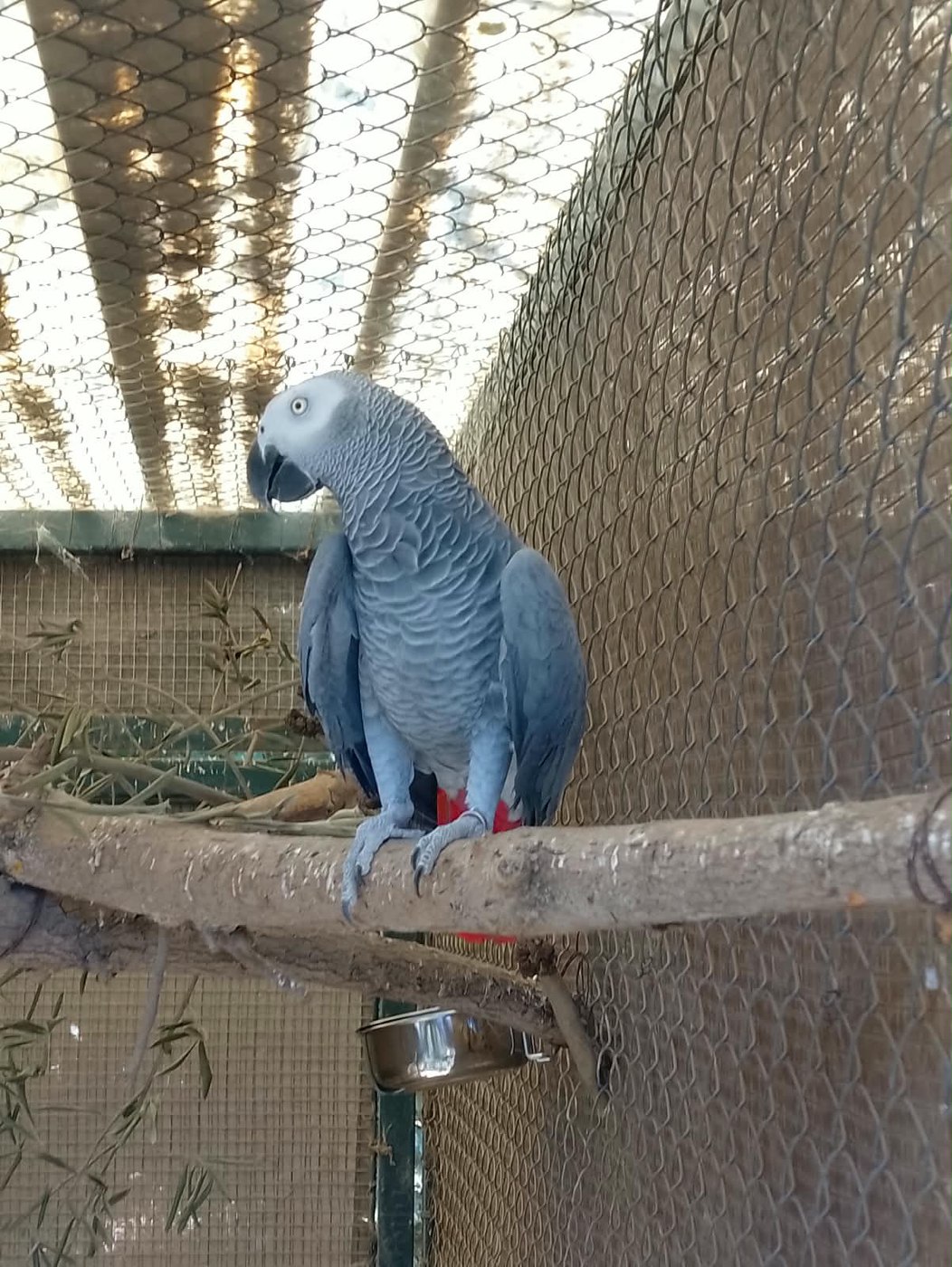
It is native to the rainforests of central and western Africa. It lives in hierarchically organised flocks that can gather hundreds of individuals, and forms stable pair bonds.
It feeds mainly on fruit, seeds, nuts and berries. In captivity, foods that are toxic to it, such as avocado, must be avoided.
It nests in tree cavities high above the ground. The average clutch is three eggs (two to five), with an incubation of between 27 and 30 days. The young leave the nest at 70–80 days of age.
It is considered one of the most intelligent parrot species in the world, with cognitive performance comparable, in some tasks, to that of a child of between four and six years old.
The most famous individual, called Alex, was the subject of a thirty-year study (1977–2007) by the animal psychologist Irene Pepperberg, which demonstrated his ability to learn number sequences, associate voices with human faces and even create juxtapositions of words.
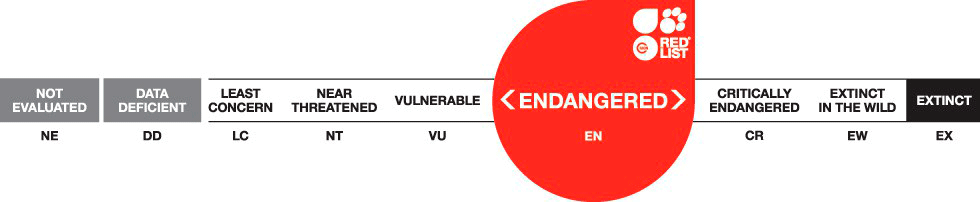
It is listed as Endangered by the IUCN, threatened by habitat loss and illegal capture for the pet trade.