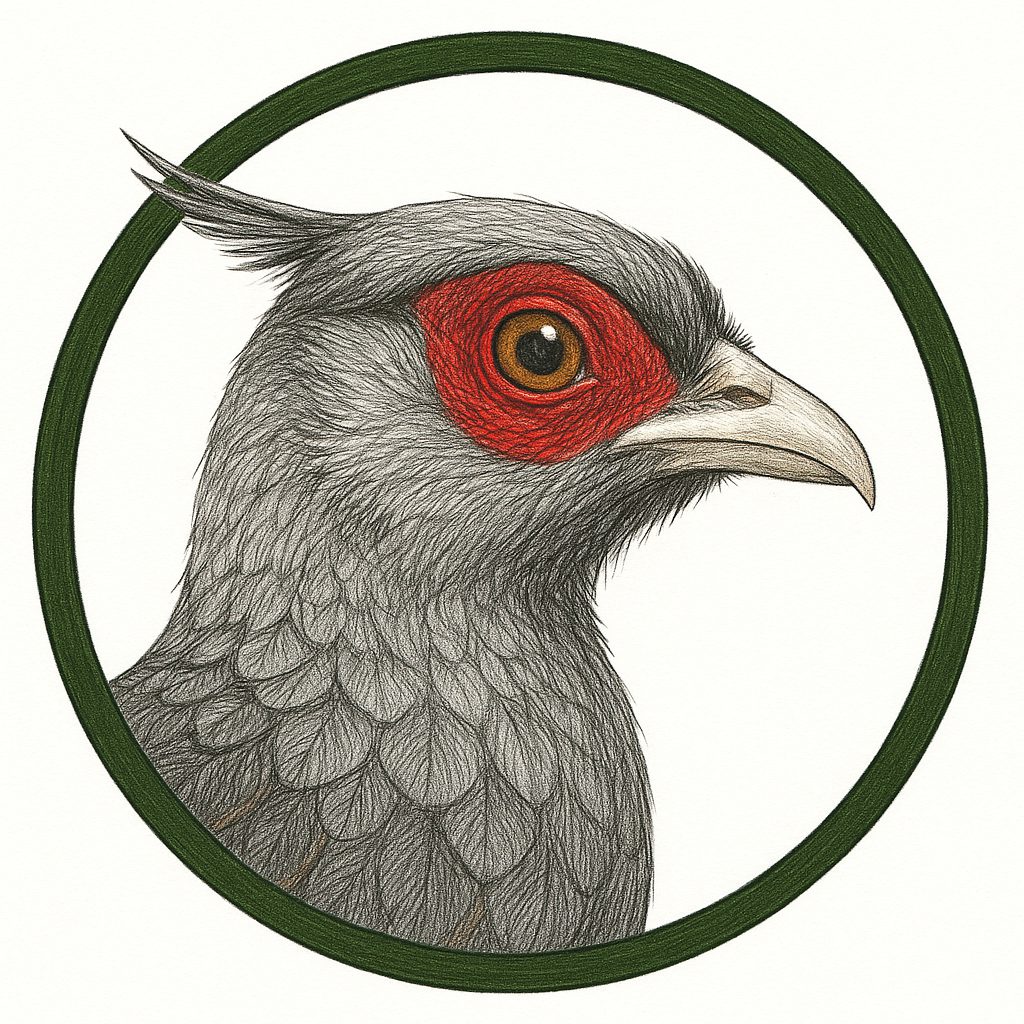
Wallich's pheasant, or cheer pheasant (Catreus wallichii), is the only species in its genus and differs from other Asian pheasants in lacking showy colours: its plumage is grey, with a crest of the same shade and a long, barred greyish-brown tail.
| Kingdom | Animalia |
| Phylum | Chordata |
| Class | Aves |
| Order | Galliformes |
| Family | Phasianidae |
| Genus | Catreus |
| Species | Catreus wallichii |
Wallich's pheasant, or cheer pheasant (Catreus wallichii), is the only species in its genus and differs from other Asian pheasants in lacking showy colours: its plumage is grey, with a crest of the same shade and a long, barred greyish-brown tail. Females are slightly smaller than males, although similar in colouring.
It lives on grassy and scrubby slopes of the Himalayas, in India, Nepal and Pakistan, generally between 1,200 and 2,450 metres above sea level.
Its diet consists mainly of roots and tubers, along with seeds, berries, insects and small invertebrates; the consumption of arthropods increases in the summer months, while newly hatched chicks feed preferably on larvae and insects.
It is a monogamous species that forms stable pairs during the breeding season, between late April and early June. The nest, a simple hollow in the ground among rocks or bushes, holds an average clutch of 9 to 10 eggs (with a range of 7 to 14) that are yellowish-grey speckled with reddish. Incubation, lasting 26 to 28 days, is carried out by the female while the male stays nearby; both parents then take part in looking after the chicks.
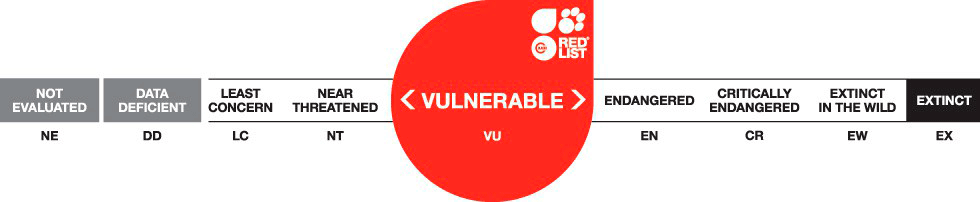
It is the only species in the genus Catreus and owes its scientific name to the Danish botanist Nathaniel Wallich. Because of its small population, which is fragmented and declining due to habitat loss and hunting, it is listed in CITES Appendix I and has been the subject of reintroduction programmes in several areas of the Himalayas.