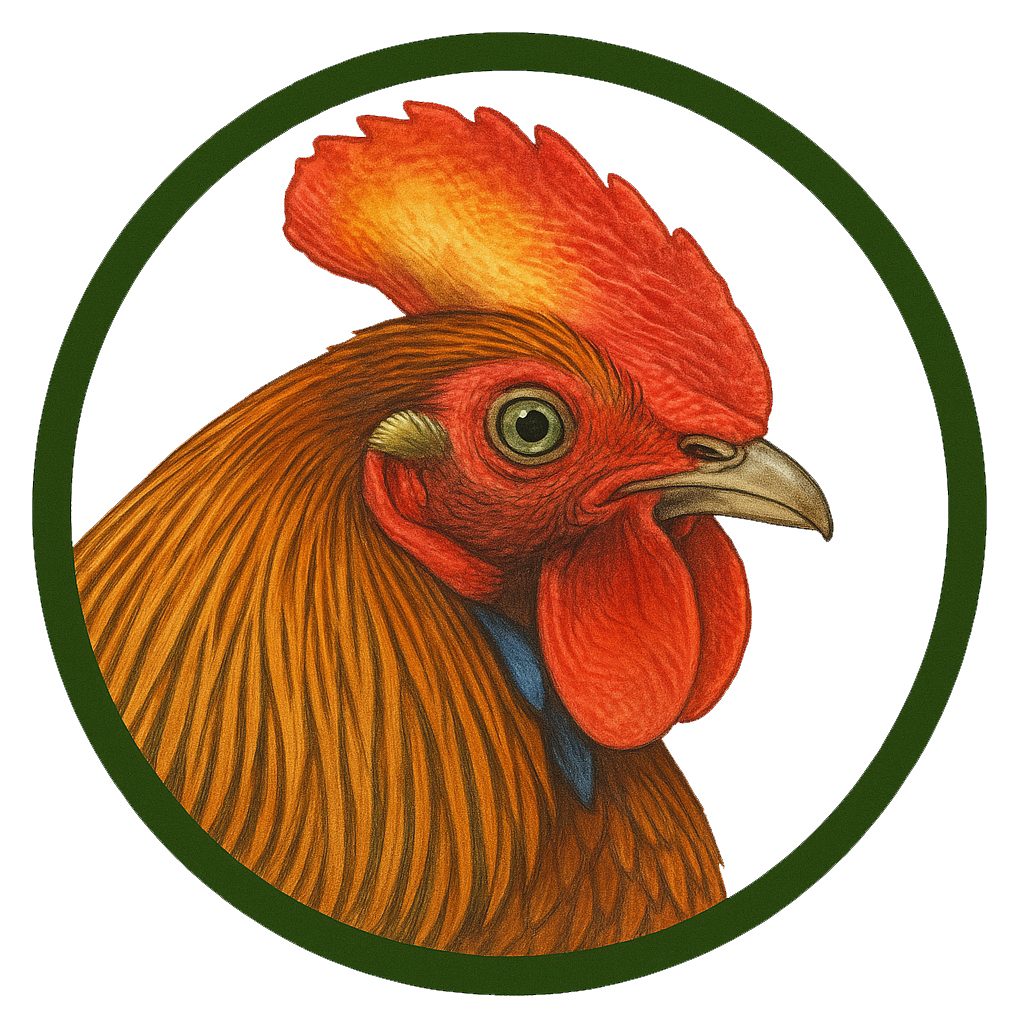
The Sri Lankan junglefowl or Lafayette's junglefowl ( Gallus lafayetii ) is a galliform bird of the family Phasianidae. It is endemic to Sri Lanka, where it is the national bird.
| Kingdom | Animalia |
| Phylum | Chordata |
| Class | Aves |
| Order | Galliformes |
| Family | Phasianidae |
| Genus | Gallus |
| Species | Gallus lafayetii |
The Sri Lankan junglefowl or Lafayette's junglefowl (Gallus lafayetii) is a galliform bird of the family Phasianidae. It is endemic to Sri Lanka, where it is the national bird. It is closely related to the red junglefowl (Gallus gallus), the wild ancestor of the domestic chicken. The species' specific name commemorates the French aristocrat Gilbert du Motier, Marquis de La Fayette.
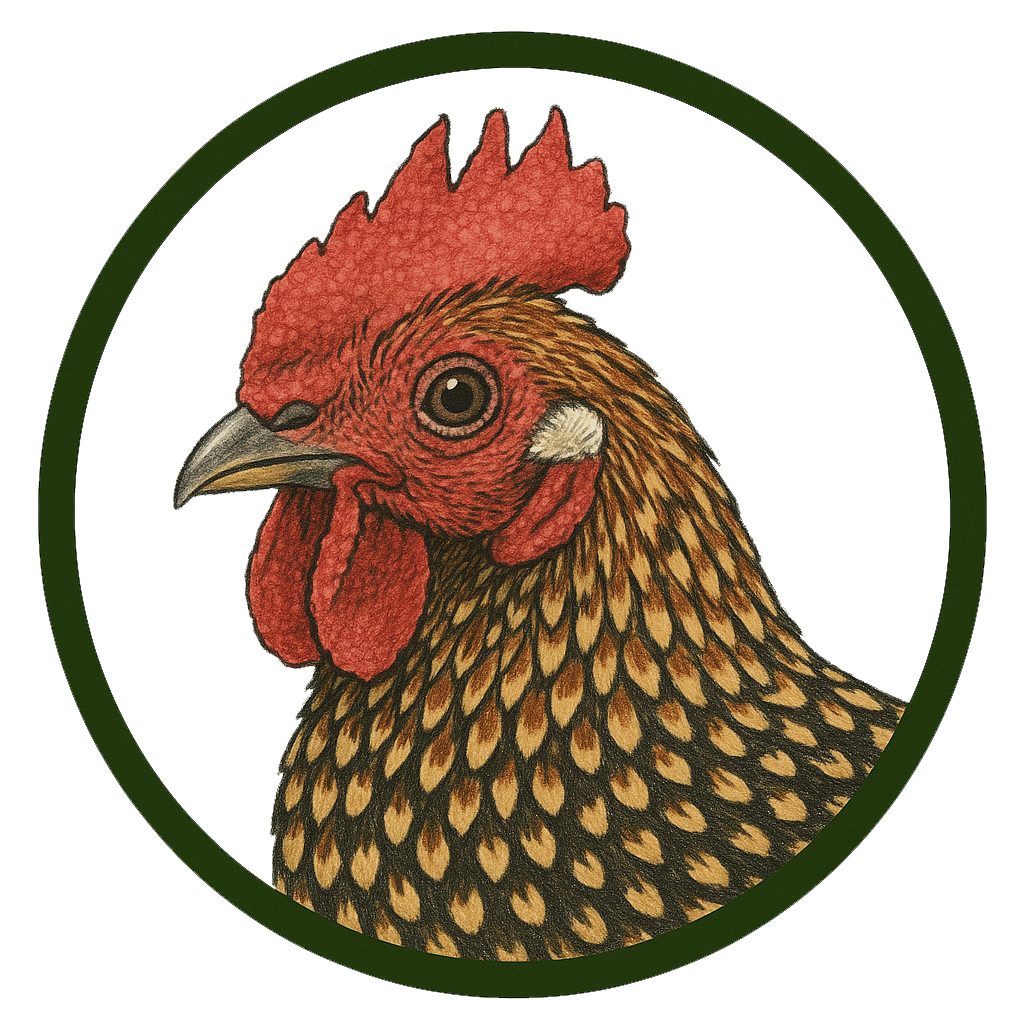
The male has very showy plumage in shades of orange and golden red, with the comb and neck wattles red with a characteristic yellow centre, while the female is brownish and much more discreet.
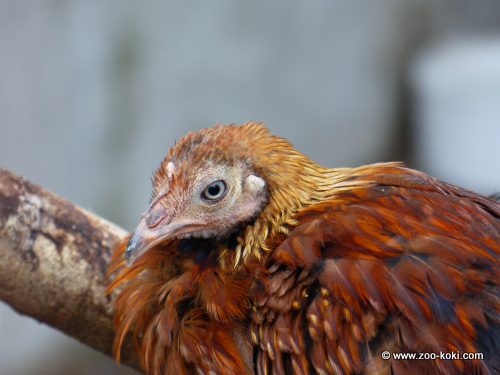
It is a species endemic to the island of Sri Lanka, where it lives in forests and scrubland, in both lowlands and mountain areas.
It feeds on seeds, grains, berries, flowers, leaves and shoots, as well as invertebrates such as termites, crickets, beetles and centipedes; the chicks depend almost entirely on insects during their first weeks of life.
The breeding season is concentrated between February and May, although it can extend until August. The nest is on the ground, hidden among the vegetation, and the female usually lays between 2 and 4 eggs, with an incubation that is very short for a pheasant, of barely about 20 days. During breeding, the dominant male keeps watch over the surroundings of the nest from a nearby perch to protect the female and the clutch.
As the national bird of Sri Lanka, Lafayette's junglefowl appears in the country's official symbols and is regarded as one of the wild relatives of today's domestic chicken breeds.
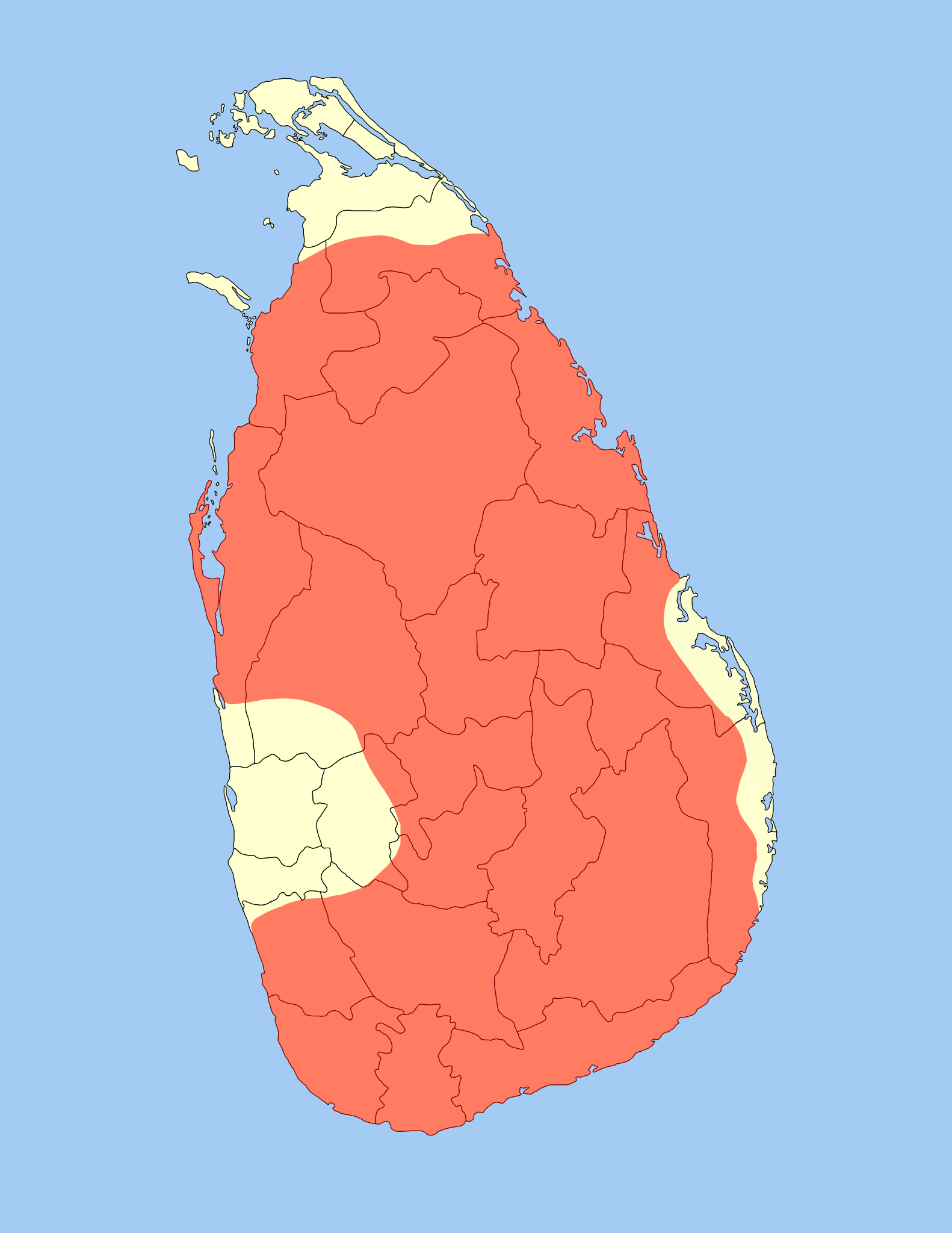 Source: Wikimedia Commons — Gallus lafayetii range map.png