Reeves's pheasant (Syrmaticus reevesii) is a bird of the family Phasianidae famed for the male's enormous tail, the longest of any bird in the world, which can exceed 2 metres.
| Kingdom | Animalia |
| Phylum | Chordata |
| Class | Aves |
| Order | Galliformes |
| Family | Phasianidae |
| Genus | Syrmaticus |
| Species | Syrmaticus reevesii |
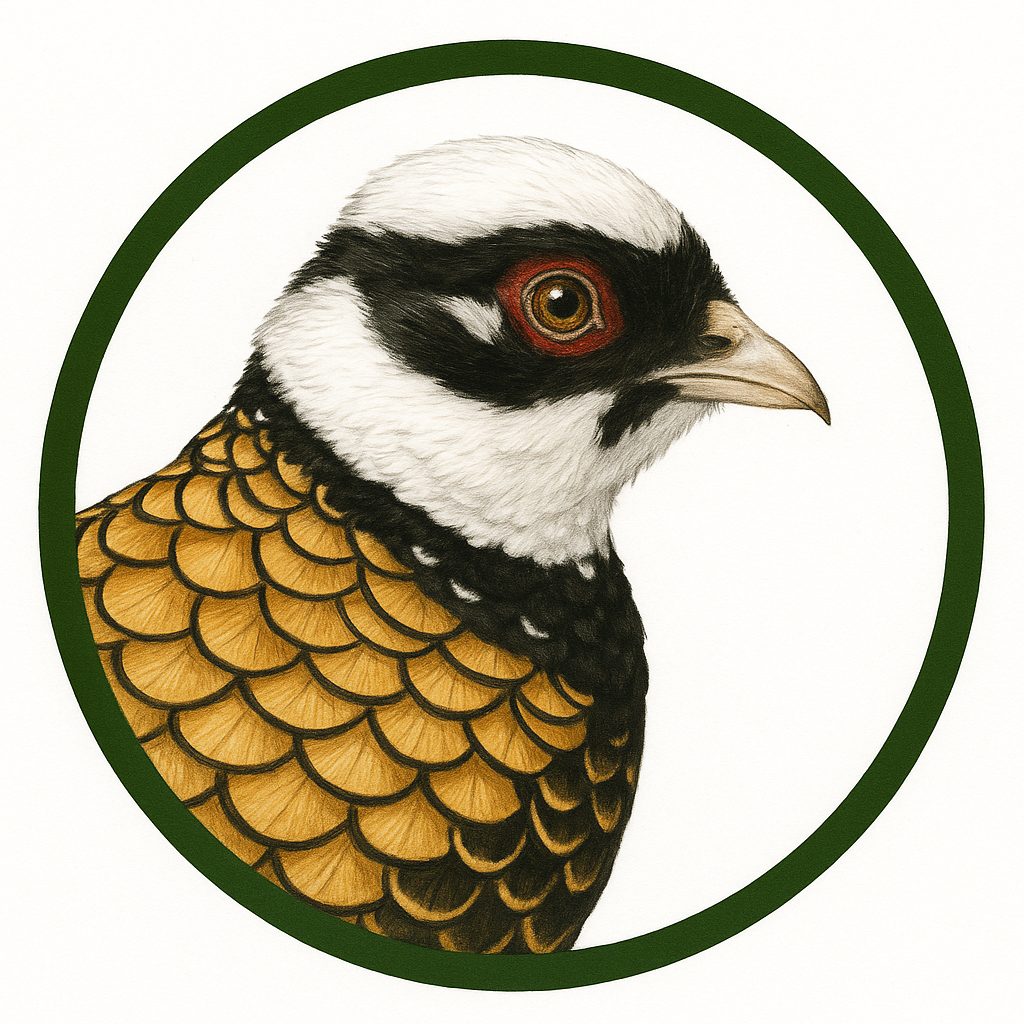
Reeves's pheasant (Syrmaticus reevesii) is a bird of the family Phasianidae famed for the male's enormous tail, the longest of any bird in the world, which can exceed 2 metres. The male combines scaly plumage in golden white and red with a white head crossed by a black band at eye level; the female is much more discreet, brown with a dark crown and a barred tail. Both sexes weigh around 1 kg.
It is native to the mountain forests and scrub of central and eastern China. Because of the severe loss of habitat in its natural range, small feral populations have also become established outside China thanks to releases of captive-bred birds.
It feeds mainly on plant matter, including seeds and cereal grains.
It is a monogamous species, although the male may fertilise more than one female. The clutch, of 7 to 14 white eggs, is laid in April or May, preferably in elevated nesting sites, with an incubation of 24 to 25 days.
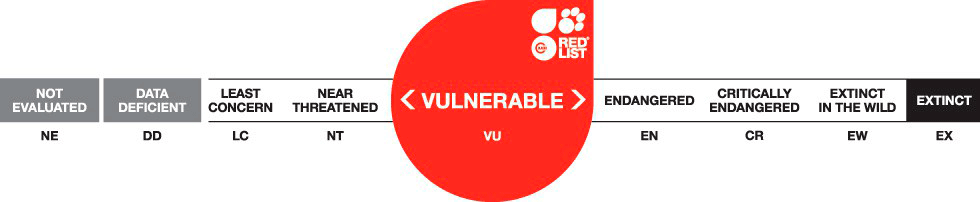
Reeves's pheasant holds the Guinness World Record for the longest natural tail feathers of any bird, growing about 30 cm a year. Its feathers have traditionally been used as headdress in the costumes of Beijing opera, and it is the most commonly bred pheasant of the genus Syrmaticus in captivity, which is key to conservation programmes given its small wild population, estimated at only about 2,000 birds.