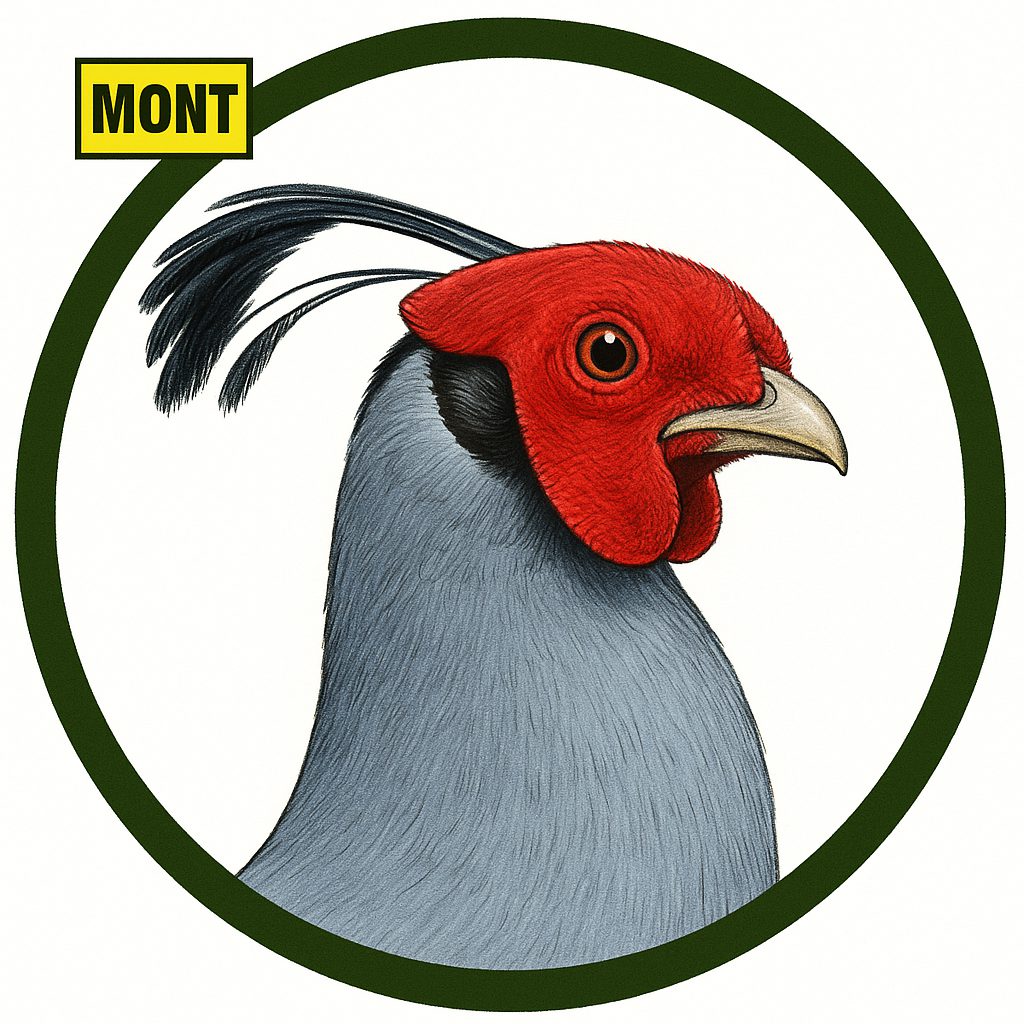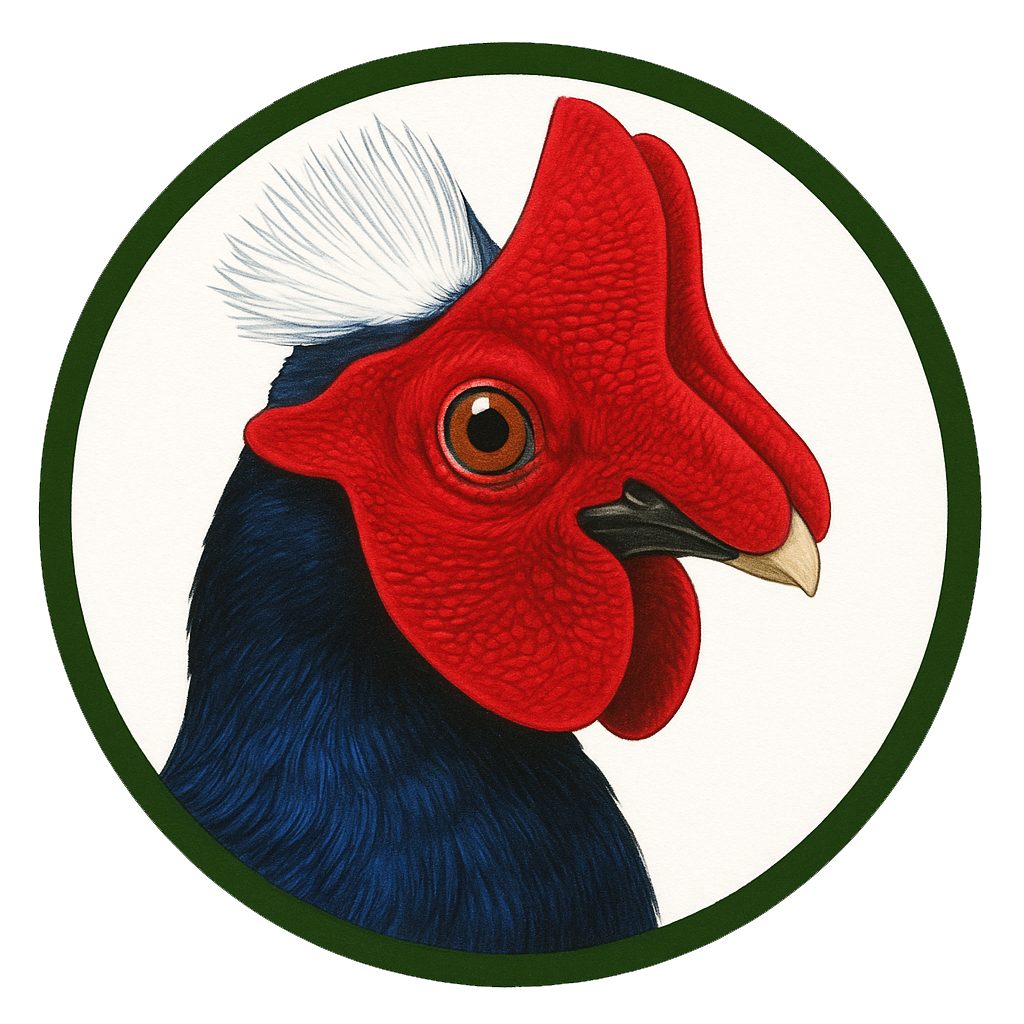
Swinhoe's pheasant (Lophura swinhoii) is a bird with very showy plumage: the male has a dark blue body with metallic sheen, a striking white crest and nape, white central tail feathers and orange-red legs, as well as the…
| Kingdom | Animalia |
| Phylum | Chordata |
| Class | Aves |
| Order | Galliformes |
| Family | Phasianidae |
| Genus | Lophura |
| Species | Lophura swinhoii |
Swinhoe's pheasant (Lophura swinhoii) is a bird with very showy plumage: the male has a dark blue body with metallic sheen, a striking white crest and nape, white central tail feathers and orange-red legs, as well as the bare red facial skin typical of the genus. The female, in mottled brown tones, is much more discreet.
It is a species endemic to Taiwan, where it lives in broadleaf forests in the mountainous areas of the centre of the island; part of its population is protected in large nature reserves.
It feeds on seeds, shoots, berries and fruit, as well as insects, molluscs and small invertebrates that it catches while foraging on the forest floor.
It is one of the earliest-laying pheasants, and laying can begin in mid-March. The female lays clutches of 2 to 6 eggs, although in captivity she can lay between 15 and 20 eggs over the season, spread across several clutches; incubation, carried out exclusively by the female, lasts 24 to 28 days. The chicks can leave the nest a few days after hatching.
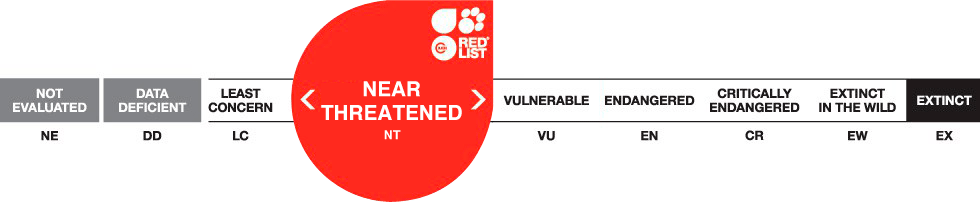
The species was described in 1863 by the naturalist John Gould and named after the British naturalist and diplomat Robert Swinhoe. For decades it suffered heavy trade as an ornamental bird, which contributed to its current Near Threatened status; on the other hand, it breeds easily in captivity, with high fertility and few rearing difficulties.