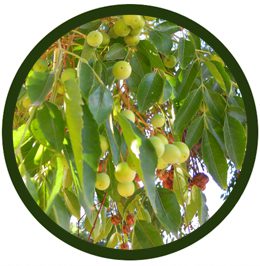
The chinaberry, or Persian lilac, is a deciduous tree with a broad, umbrella-shaped crown, widely used as an ornamental and shade tree.
| Kingdom | Plantae |
| Division | Magnoliophyta |
| Class | Magnoliopsida |
| Order | Sapindales |
| Family | Meliaceae |
| Genus | Chinaberry |
| Species | Melia azedarach |
It is a medium-sized deciduous tree, between 8 and 15 metres tall, with a straight trunk and a broad, leafy, umbrella-shaped crown. Its leaves are compound and deeply divided, and in spring it produces clusters of highly fragrant lilac flowers, followed by small, round, yellowish fruits that remain on the tree after the leaves have fallen.
It is native to south-eastern Asia, and was introduced as an ornamental to many regions with temperate and subtropical climates around the world, including the Mediterranean basin, where it is common in streets, promenades and gardens thanks to its fast growth and its shade.
Although highly valued as a shade tree, its fruits contain toxic substances (meliatoxins) that can be dangerous if eaten in quantity, to livestock and pets alike, so eating them should be avoided.